





Introduction — A museum day in Oslo: strategy, atmosphere and immersion
Oslo, Norway’s lively capital, packs an impressive museum scene into a surprisingly compact area, spanning modern art, maritime history, Nordic culture and contemporary experiments. If you’re short on time but want to “see the essentials” in one day, you can build a sensible and enjoyable route that mixes city strolls, a short crossing to the Bygdøy peninsula and a return along the water, while visiting major institutions like MUNCH (Munchmuseet), the Nationalmuseum, the Fram Museum and the Kon-Tiki Museum. This guide aims to give you a realistic itinerary, practical info (exact addresses, opening times, prices in euros), immersive descriptions of what to expect in each museum, and local tips to save time, avoid crowds and get the most out of Oslo’s cultural offering.
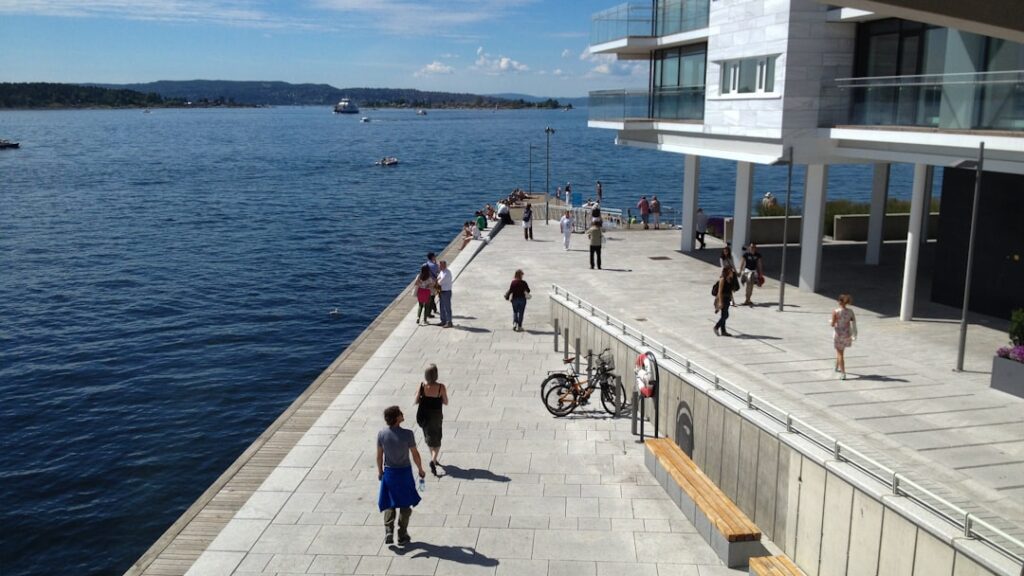
The ideal day starts early and splits into two main parts: a morning focused on art museums and permanent collections in the city centre, and an afternoon on the Bygdøy peninsula, which hosts several maritime history museums reachable by a short bus ride or ferry from Aker Brygge. Between the two, a lunch break at Aker Brygge or Tjuvholmen is a great way not only to refuel but also to enjoy the waterfront architecture and outdoor sculptures. This guide includes sample schedules, ticket-buying tips (online bookings, tourist passes), and suggestions for travelers with specific interests (expressionist painting, polar exploration, sea voyages, Scandinavian design).
Beyond practicalities, the goal is to paint a sensory portrait of the visits: the raw emotion in front of Edvard Munch’s canvases, the authentic feel of stepping aboard the Fram, the texture of balsa wood on the Kon-Tiki hull, the sea breeze along Bygdøy’s shore. Each museum here offers a narrative, tactile route — bursts of colour, the hum of audio guides, light filtered through display cases — that deserves to be experienced with attention. Finally, local tips (best time slots, dining options, transport choices) are provided to help the day flow smoothly and pleasantly, even during the busiest seasons.
MUNCH (MUNCH) and the Nationalmuseum — Norwegian art and international masterpieces
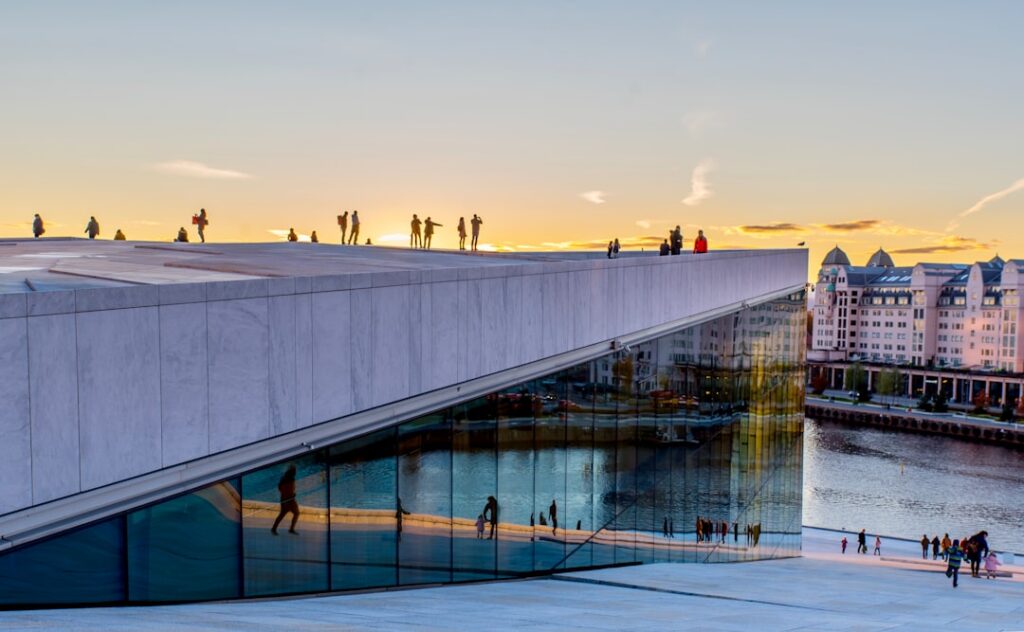
Start your Oslo day at one of the city’s artistic highlights: MUNCH, dedicated to Edvard Munch and modern art. The new MUNCH building (often stylized MUNCH) delivers a contemporary museum experience with flexible galleries, sweeping views over the fjord and a refreshed presentation of key works.
MUNCH (MUNCH) — practical information
- Full name: MUNCH (MUNCH)
- Address: Edvard Munchs plass 1, 0194 Oslo, Norway
- Opening hours (typical): Tuesday–Sunday 10:00–18:00, Thursday 10:00–20:00, closed Monday (check before you go)
- Typical price: adult €20, reduced (students, seniors) €12, under 18 free; audio guide about €5
- Website: www.munchmuseet.no (booking recommended)
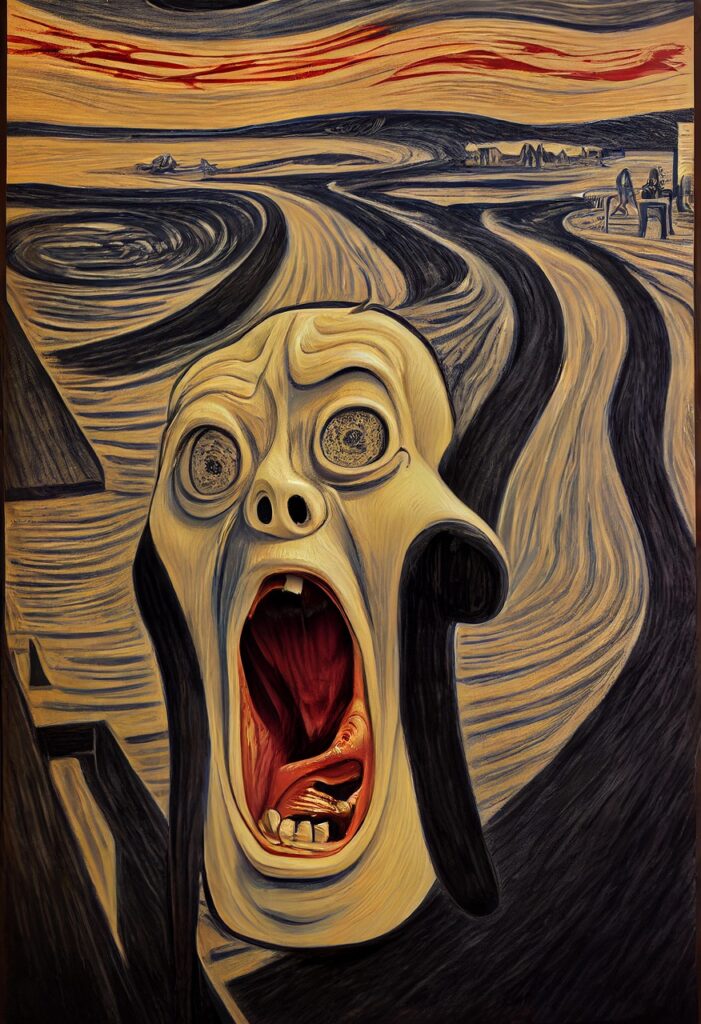
Immersive description: natural light floods the white rooms and display cases where Munch’s collection is arranged around themes — love, anxiety, death — letting visitors trace the artist’s evolution. Versions of The Scream and other icons are often rotated for conservation, but the emotional punch remains thanks to thoughtful curation. The rooftop café offers panoramic views over the Oslofjord — a perfect spot for photos or a coffee before heading to the Nationalmuseum.
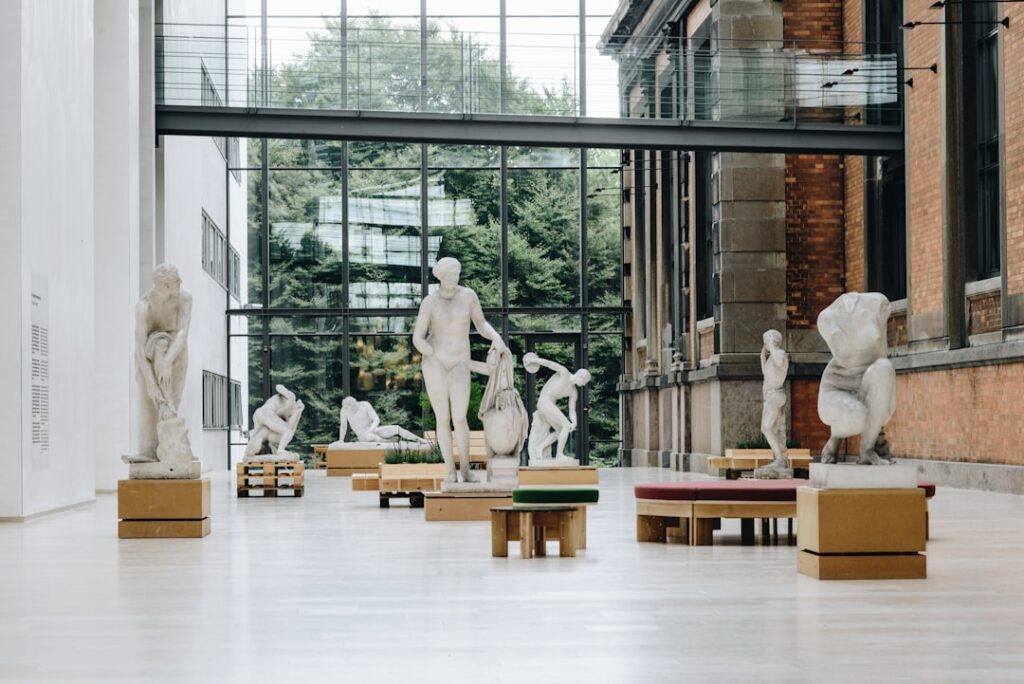
Nearby, the Nationalmuseum brings together historic paintings, sculpture, decorative arts and contemporary pieces. Housed in a renovated building, it stages national and international exhibitions, featuring European masters as well as treasures of Norwegian heritage.
Nationalmuseum — practical information
- Full name: Nasjonalmuseet / Nationalmuseum
- Address: Universitetsgata 13, 0164 Oslo, Norway
- Opening hours (typical): Tuesday–Sunday 10:00–18:00, Thursday 10:00–20:00, closed Monday
- Typical price: adult €17, reduced €9, under 18 free; temporary exhibitions may cost between €15 and €22
- Website: www.nasjonalmuseet.no
Immersive description: walking through the Nationalmuseum takes you from classical portraits to contemporary installations. The galleries dedicated to decorative arts and Scandinavian design are a masterclass in Nordic style: furniture, textiles and porcelain are showcased with precise lighting that reveals patinas and texture. The vibe here is more « academic » than at MUNCH, but complementary — the collection juxtaposition gives a broader cultural picture of Norway and its dialogue with European art.
Local tips: buy tickets online to skip queues, arrive early to enjoy the most popular works without the crowds, and set aside at least two hours for each museum if you want a relaxed visit. If you’re pressed for time, pick a Nationalmuseum temporary exhibition, which often brings international masterpieces.
Bygdøy: Fram Museum, Kon-Tiki Museum and Norsk Folkemuseum — maritime history and traditional life
In the afternoon, take the ferry from Aker Brygge or a bus to the Bygdøy peninsula, Oslo’s major museum hub. In a small area you’ll find extraordinary places for anyone interested in seafaring, polar expeditions and ethnographic heritage. The usual quick-but-rich route is: Fram Museum, Kon-Tiki Museum, then Norsk Folkemuseum. This order keeps the marine and historical themes coherent and avoids backtracking.
Fram Museum — practical information
- Full name: Frammuseet / Fram Museum
- Address: Bygdøynesveien 39, 0286 Oslo, Norway
- Opening hours (typical): April–September 10:00–17:00, October–March 10:00–16:00 (holiday hours vary)
- Typical price: adult €15, reduced €9, under 6 free; combined Fram + Kon-Tiki tickets often available for around €23
- Website: www.frammuseum.no
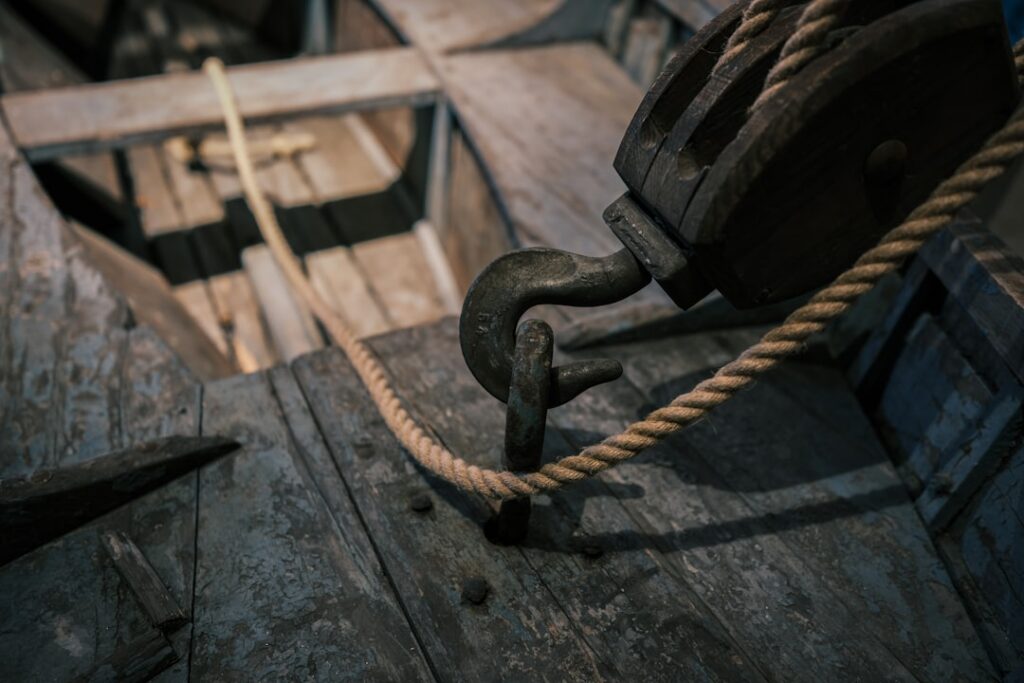
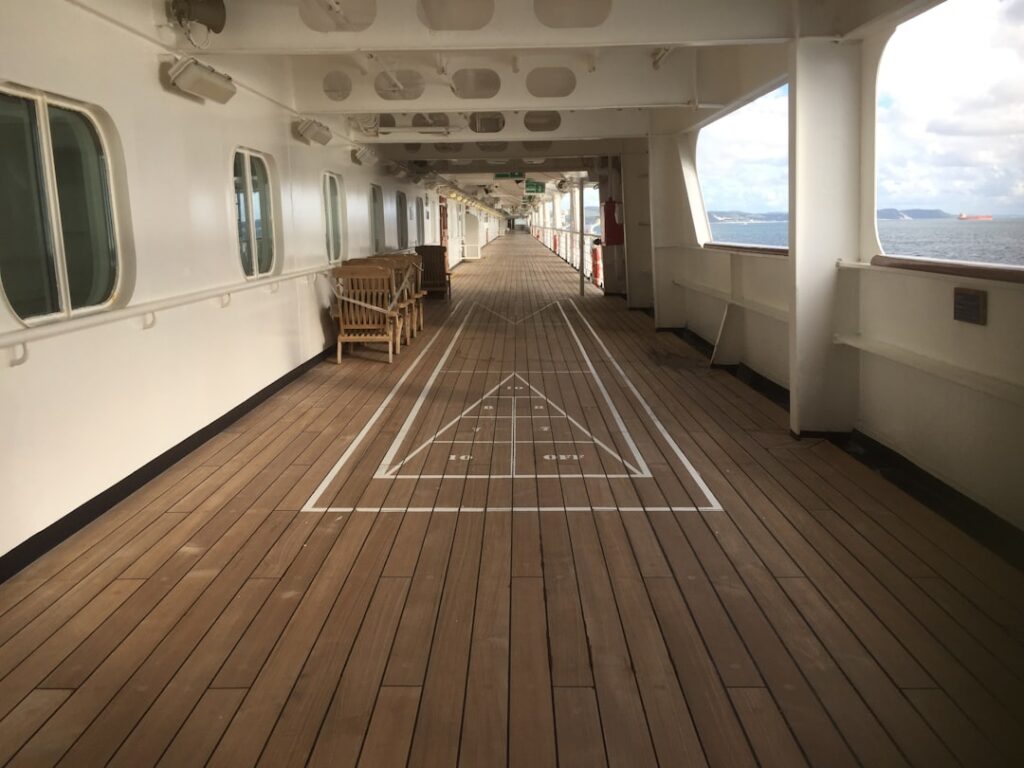
Immersive description: the highlight is boarding the Fram, the famous polar ship used by Fridtjof Nansen and Roald Amundsen. Stepping onto the deck, feeling the old timber and imagining sails creaking in ice gives a powerful sense of authenticity. Multimedia exhibits tell of expeditions, isolation and explorers’ ingenuity. Recreated cabins, charts and logbooks make the polar conquests tangible.
Kon-Tiki Museum — practical information
- Full name: Kon-Tiki Museet / Kon-Tiki Museum
- Address: Bygdøykai 23, 0287 Oslo, Norway
- Opening hours (typical): April–September 10:00–17:00, October–March 10:00–15:00
- Typical price: adult €11, reduced €7, student €9; combined ticket possible with Frammuseet
- Website: www.kon-tiki.no
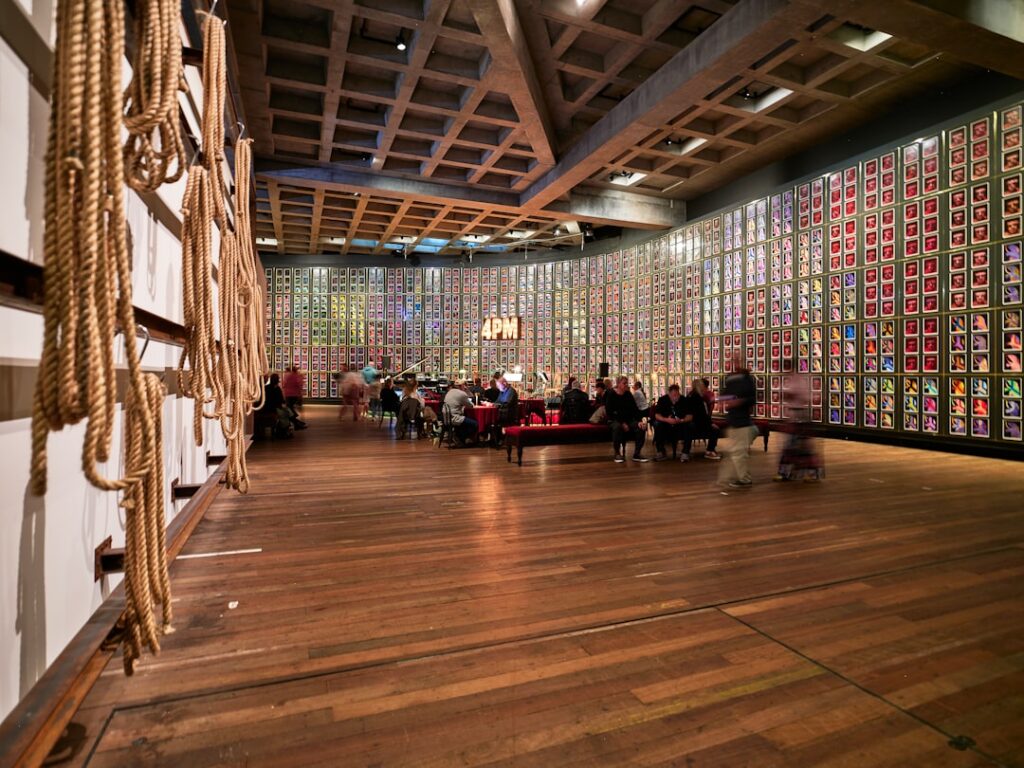
Immersive description: the showpiece is the original Kon-Tiki raft, built of balsa wood and displayed under lighting that highlights its robust fragility. Thor Heyerdahl’s accounts are brought to life with artifacts from the voyage and archival film. The atmosphere is one of pragmatic adventure — you appreciate ingenuity and courage facing the ocean. Interactive sections let visitors « feel » materials, study maps and understand navigation without modern instruments.
Norsk Folkemuseum — practical information
- Full name: Norsk Folkemuseum / Norwegian Museum of Cultural History
- Address: Museumsveien 10, 0287 Oslo, Norway
- Opening hours (typical): April–September 10:00–17:00, October–March 10:00–16:00; some buildings open seasonally
- Typical price: adult €14, reduced €9, under 6 free
- Website: www.norskfolkemuseum.no
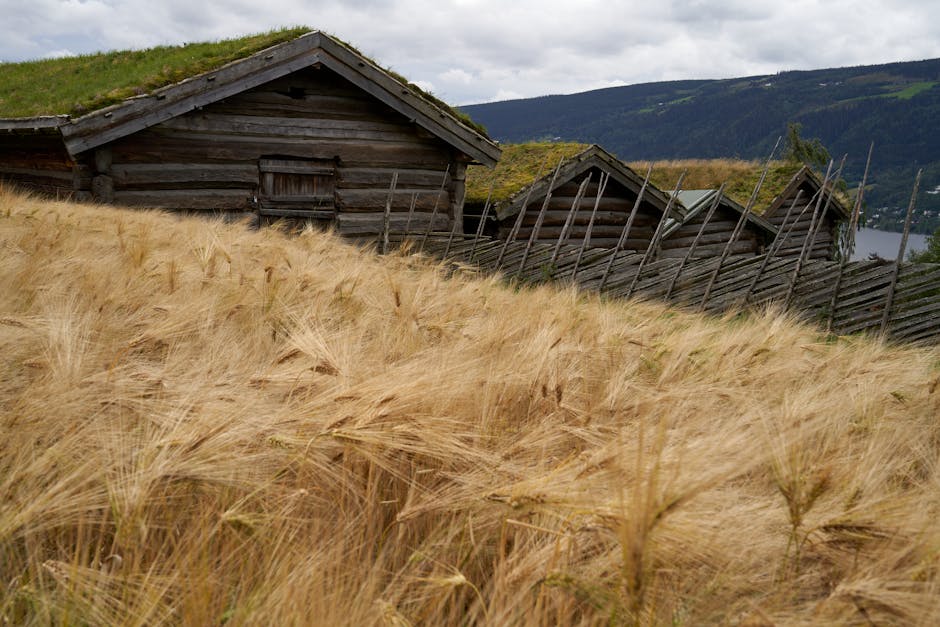
Immersive description: this open-air museum showcases traditional Norwegian houses, farms, a wooden church and artisans at work during the high season. Wandering between buildings, touching timbers and sampling local fare at a period café makes the experience sensory — ideal for anyone wanting to understand historical daily life in Norway. If you’re short on time, focus on the stave church and the reconstructed main street.
Local tips: check ferry timetables from Aker Brygge to Bygdøy (more frequent in spring/summer). Buy a combined Fram + Kon-Tiki ticket if you plan to see both. Wear comfortable shoes — Bygdøy involves walking and sometimes uneven trails — and bring a windbreaker: the shore can be breezy even on sunny days.
Astrup Fearnley, Aker Brygge and Tjuvholmen — contemporary art, architecture and a lunch break
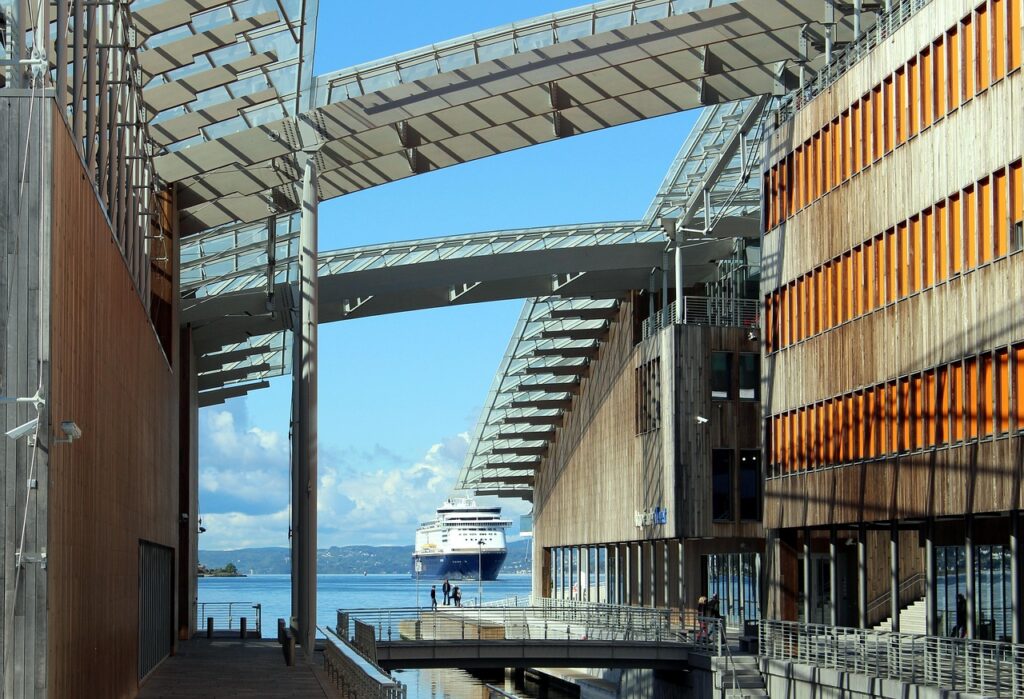
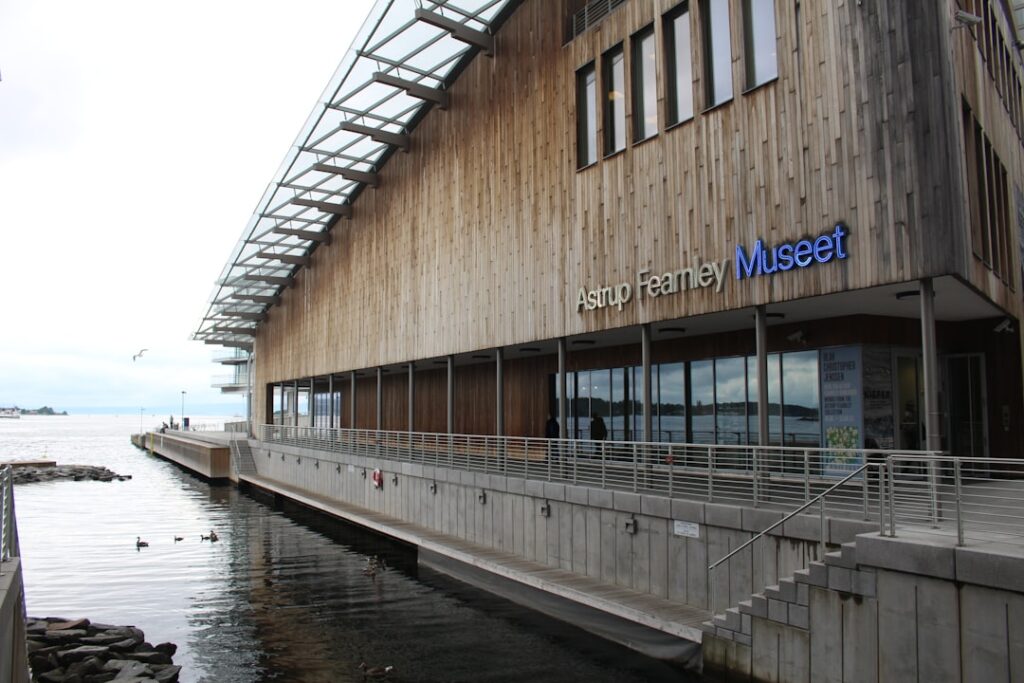
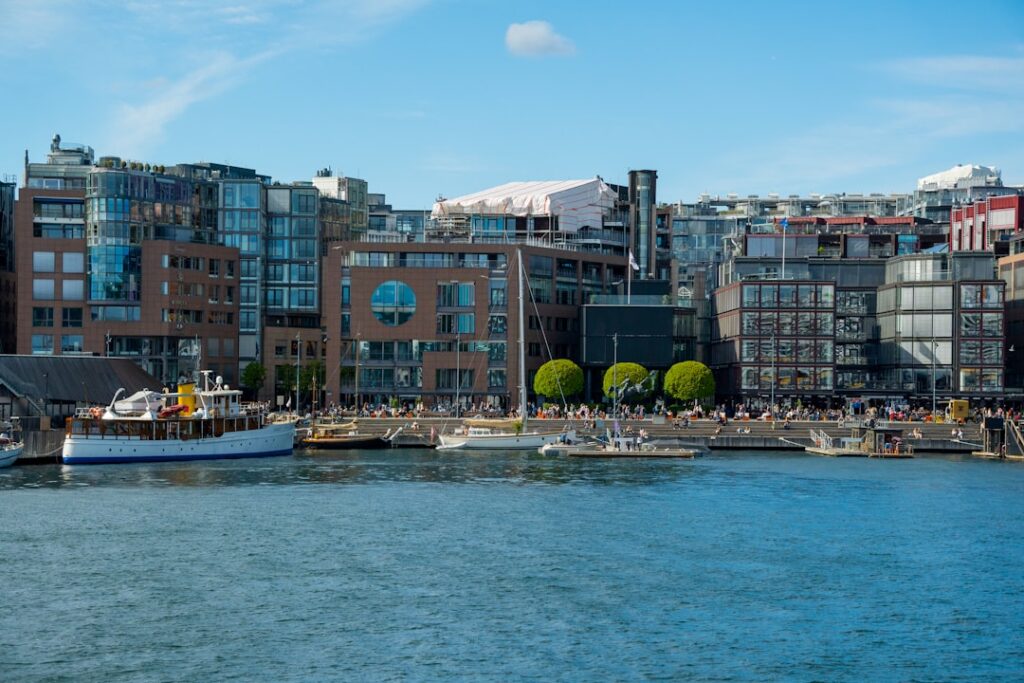
After a morning in the city centre or just before heading to Bygdøy, stop at Aker Brygge and Tjuvholmen — modern waterfront neighbourhoods where contemporary art mixes with urban life. The Astrup Fearnley Museet (often stylized Astrup Fearnley) is a private contemporary art museum on Tjuvholmen, an easy walk from Aker Brygge, featuring international works, large-scale installations and bold temporary shows.
Astrup Fearnley Museet — practical information
- Full name: Astrup Fearnley Museet
- Address: Strandpromenaden 2, 0252 Oslo, Norway
- Opening hours (typical): Tuesday–Sunday 11:00–17:00, Thursday 11:00–20:00, closed Monday
- Typical price: adult €14, reduced €9, under 18 free
- Website: www.afmuseet.no
Immersive description: the museum building, designed by Renzo Piano, is a work of art in itself. Large windows offer fjord views and the outdoor sculpture « Into the Ocean » (or other temporary pieces) creates a dialogue between inside and out. Exhibitions — large-format photography, contemporary sculpture, video art — are meant to surprise and provoke. It’s perfect for modern art lovers who enjoy contrasts between nature and the city.
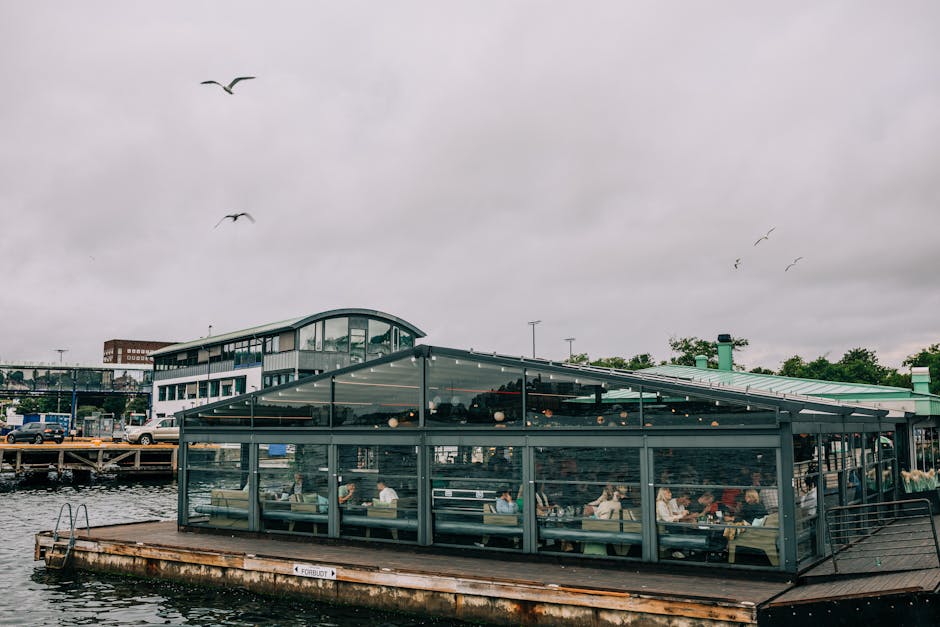
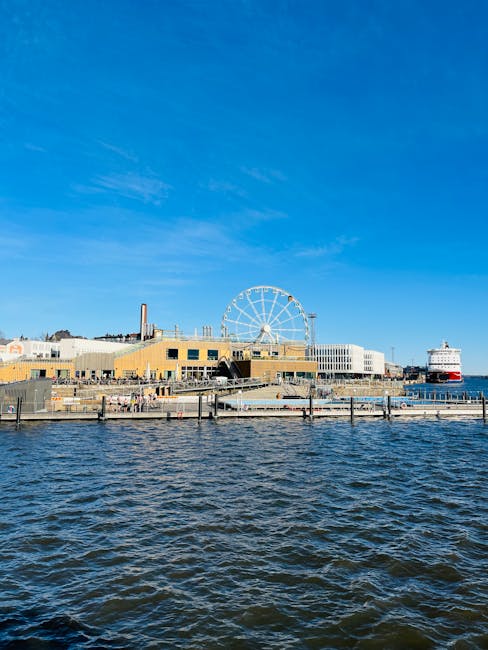
Lunch break: Aker Brygge and Tjuvholmen are packed with restaurants and cafés to suit every budget. For a quick, tasty meal, try an open-faced sandwich (smørbrød) at a café along the waterfront. For a finer dining experience, book ahead at a seafood restaurant. Prices vary: a light meal around €12–18, a main course at a good restaurant €25–45. Sit on a terrace to watch the boats and the ferry traffic to Bygdøy.
Local tips: if you visit Astrup Fearnley before heading to the peninsula, plan your timing so you can catch the ferry at Aker Brygge. In summer, the walk between Aker Brygge and Tjuvholmen is especially pleasant — book a slot at Astrup Fearnley mid-morning or late afternoon to avoid peak hours.
Itinerary, transport and tips to pull this off in one day
Pulling off a “Munch to Fram” day takes a bit of planning: prioritising museums, buying tickets and managing travel time. Here’s a sample timetable, combined ticket suggestions and practical logistics tips.
Recommended itinerary (express version, start 09:00)
- 09:00–11:00 : Visit MUNCH (Edvard Munchs plass 1). Allow 1.5–2 hours for the permanent collection and one temporary show.
- 11:00–12:30 : Walk or take the tram to the Nationalmuseum (Universitetsgata 13). Quick visit to the major works.
- 12:30–13:30 : Lunch at Aker Brygge/Tjuvholmen (book if possible).
- 13:45–14:00 : Ferry or bus to Bygdøy from Aker Brygge.
- 14:00–15:15 : Fram Museum (Bygdøynesveien 39) — go aboard the Fram.
- 15:20–16:00 : Kon-Tiki Museum (Bygdøykai 23) — see the Kon-Tiki raft.
- 16:00–17:00 : Stroll around the Norsk Folkemuseum (Museumsveien 10) or head back by ferry depending on pace.
- 17:30–18:30 : Return to Aker Brygge, relax and have dinner by the water.
This schedule is tight but doable if you stick to highlights. For a more relaxed experience, pick two or three institutions and save the rest for another visit.
Tickets, passes and discounts
- Online tickets: Buy tickets for MUNCH and the Nationalmuseum in advance for specific time slots.
- Combined tickets: Fram + Kon-Tiki: often offered and cost-effective (≈€23). Check for family deals.
- Oslo Pass: The Oslo Pass can include admission to several museums and public transport for 24/48/72 hours; useful if you plan to visit multiple sites and take the ferry.
- Student and senior prices: Most museums offer reduced rates (bring your international student ID or photo ID).
Time-saving tips: prefer the ferry to Bygdøy in summer — it’s more pleasant and sometimes quicker than the bus; arrive 15 minutes before departure; wear comfortable shoes; bring a windproof jacket. In winter, daylight fades early: plan the indoor exhibits that require reading or concentration for daylight-independent slots and save the waterfront walk for brighter hours.
Conclusion — Turning one day into a lasting memory
Seeing “from Munch to the Fram” in a single day in Oslo is an exciting challenge: you move through eras and disciplines, from expressionist art to epic polar adventures, via maritime tales and traditional Norwegian life. This condensed route delivers a powerful snapshot of the culture and history that shaped Norway and creates memorable touchpoints — a striking painting, a creaking wooden pier, a balsa raft frozen in time. Still, beyond logistics, the key is to leave room for experience: pause in front of a painting, feel the curve of a hull, listen to a navigator’s tale on an audio guide, sip a coffee by the fjord. Those moments anchor the memory more deeply than any checklist of sights.
To recap: book main tickets online, use the ferries to Bygdøy when weather allows, consider a combined Fram + Kon-Tiki ticket and build buffers into your schedule for the unexpected (late metro, an exhibition that captivates). If you’re traveling with kids, favour interactive museums like Kon-Tiki and Norsk Folkemuseum; if you’re an art lover, give more time to MUNCH and the Nationalmuseum. Finally, whatever your pace, save a sunset stroll by the water — Scandinavian light makes for a perfect closing scene to your day.
Oslo’s compactness and maritime links make these condensed explorations especially workable. One day won’t replace a longer stay, but well planned it can offer a rich, inspiring overview of the city. Take these practical tips with you, but also leave space for curiosity: let yourself be surprised by an unexpected show, a passionate local guide, or a quiet corner of a museum that begs contemplation. That’s how a single museum-packed day becomes a real travel experience — memorable and unmistakably Norwegian.