






Introduction — Is the Oslo Pass Worth It for 2 Days in Oslo?
Seeing Oslo in 48 hours is a balancing act between ticking off iconic landmarks, visiting world-class museums, and exploring lively neighborhoods. The Norwegian capital is compact but packed with highlights: the striking modern opera house on the waterfront, Gustav Vigeland’s sculptures in Frogner Park, the maritime and polar museums on the Bygdøy peninsula, plus cafés and shops around Aker Brygge and Grünerløkka. To make the most of your time and budget, many travelers wonder whether the Oslo Pass — a city card that grants museum access, discounts and unlimited public transport — is a smart buy for a two-day stay.
This full guide answers the question “Is the Oslo Pass worth it for 2 days in Oslo?” by explaining what the card covers, its price in euros (approximate conversion), which sites are included, exact addresses and opening hours of key attractions, optimized 48-hour itineraries, and local tips to save time. It also compares alternatives — buying single tickets, using digital Oslo City Cards, or focusing on one type of experience (museums vs. outdoors). By the end you’ll know whether the Oslo Pass makes sense for your pace and priorities for a long weekend.
Before diving in, a few practical notes: the Oslo Pass typically covers free entry to many municipal and national museums, discounts on guided tours and some local boats/ferries, and unlimited use of public transport within Oslo’s urban zones (usually Zone 1). Offers and prices change, so this article provides euro figures as a guide and lists addresses and opening times useful for planning your two days. Always check official sites (visitOslo / Oslo Pass) for updates, especially off-season when opening hours vary.
1) What the Oslo Pass Covers (details, limits and what to check)
The Oslo Pass is designed to simplify sightseeing: it bundles transport and entry to a selection of museums and attractions. Here’s what a typical 24/48/72-hour card covers (specifics change, check oslopass.no):
- Unlimited public transport: T-bane (metro), tram, urban buses and local ferries within Oslo’s zone (usually Zone 1). That includes trips to key spots like Aker Brygge, Tjuvholmen and the city centre. Useful for moving quickly between sights.
- Free admissions: Free entry to many municipal and national museums run by Oslo (for example, MUNCH, Vigeland Museum where applicable, Kon-Tiki Museum, Fram Museum, Norsk Folkemuseum depending on the season).
- Discounts: Reduced rates for private attractions, boat tours, guided excursions, and sometimes partner restaurants or shops.
- Physical or digital card: The Oslo Pass comes as a plastic card or a digital version depending on purchase: activate it on first use and the clock starts then.
What the Oslo Pass rarely or never covers:
- Trips to/from Oslo Gardermoen airport (Flytoget express or NSB) — these are outside the usual coverage and not included.
- Paid performances at the Oslo Opera House (opera and concert tickets not included, though visiting the Opera building is often free).
- Very premium temporary exhibitions may require an extra fee.
Things to check before you buy:
- The official list of included museums on the day you visit (inclusions can change by season).
- Opening hours — some museums close one day a week (often Monday).
- The card’s validity period and cancellation policy in case your plans change.
2) Key attractions usually included (addresses, opening times, descriptions and individual prices)
To decide if the Oslo Pass pays off in 48 hours, compare the pass price to what you’d pay buying tickets individually. Here are the attractions most commonly included, with addresses, typical opening hours and approximate euro prices if bought separately (prices are estimates and can change):
-
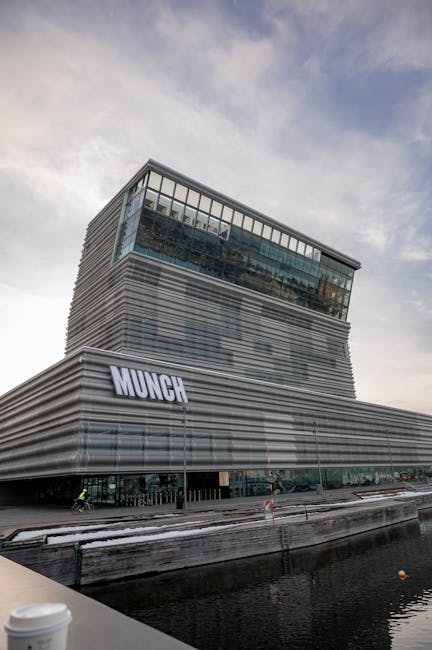
MUNCH — MUNCH Museum
Address: Edvard Munchs plass 1, 0194 Oslo.
Opening hours: Tuesday–Sunday 10:00–18:00, Thursday 10:00–20:00 (check public holiday hours).
Ticket price (approx.): €20–25 adult.
Description: A refreshed, modern collection focused on Edvard Munch, featuring « The Scream » in rotating displays and galleries on Nordic modern art. -
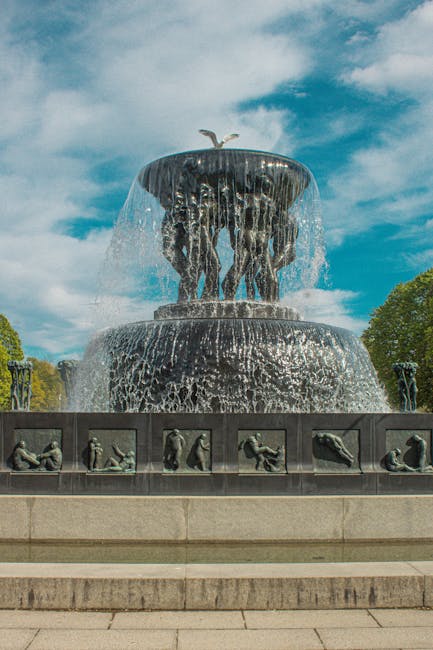
Vigeland Sculpture Park (Frognerparken)
Address: Nobels gate 32, 0268 Oslo (Frognerparken).
Opening hours: Park open 24/7; adjacent Vigeland Museum usually 10:00–16:00.
Admission: The park is free; museum ticket about €8–12.
Description: Over 200 sculptures by Gustav Vigeland, a sculptural centerpiece set in a large landscaped park. -
Kon-Tiki Museum
Address: Bygdøynesveien 36, 0286 Oslo (Bygdøy).
Opening hours: Generally 10:00–16:00 (longer hours in summer).
Ticket price (approx.): €12–15 adult.
Description: Exhibits the famous raft of Thor Heyerdahl and artifacts from ocean voyages. -
Fram Museum
Address: Bygdøynesveien 37, 0286 Oslo (Bygdøy).
Opening hours: 10:00–16:00 (seasonal variation possible).
Ticket price (approx.): €12–15 adult.
Description: Polar museum built around the ship Fram, immersing visitors in Arctic and Antarctic exploration. -
Norsk Folkemuseum (Norwegian Museum of Cultural History)
Address: Museumsveien 10, 0287 Oslo.
Opening hours: 10:00–17:00 (extended hours in summer).
Ticket price (approx.): €12–18 adult.
Description: An open-air museum with traditional buildings and exhibits tracing Norwegian culture through the ages. -
Akershus Fortress (Akershus Festning)
Address: Akershusstranda 1, 0150 Oslo.
Opening hours: The fortress grounds are accessible year-round; indoor museums and rooms typically 10:00–16:00.
Price: Outdoor access is free; museums inside may be free or offer reduced admission with the pass.
Description: A medieval fortress overlooking the harbor, with great fjord views and historic ramparts. -
Oslo City Hall (Rådhuset)
Address: Rådhusplassen 1, 0037 Oslo.
Opening hours: Guided tours in the morning/midday (generally 10:00–16:00 on weekdays).
Price: Entry is free; guided tours may be paid or covered by the pass.
Description: Iconic building where the Nobel Peace Prize ceremonies take place, with impressive interior murals.
Quick math: if you visit MUNCH (≈€22), Fram (≈€14), Kon-Tiki (≈€14), and use public transport for four trips (≈€10–12 if bought separately), you’re already at €60–70 in tickets/transport — roughly the level where a 48-hour pass can start to pay off. The real advantage depends on your priorities and how many museums you plan to see.
3) Optimized 48-hour itineraries — Step-by-step examples
Here are two sample itineraries to make the most of a 48-hour weekend: one focusing on museums and Bygdøy, the other on city life and outdoor highlights. Each includes exact addresses, opening times and logistics tips to save time.
Itinerary A — Bygdøy Museums and Classics (culture & history)
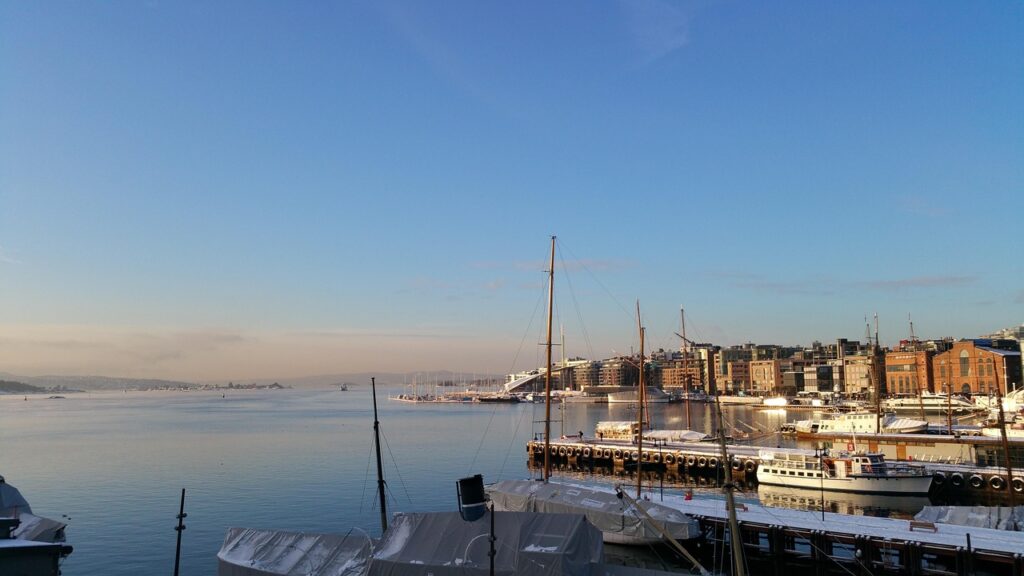
- Day 1 morning: Take the ferry (public ferry or sightseeing ferry) from Aker Brygge (Rådhusbrygge 3) to Bygdøy. Typical departures around 09:30–10:00; frequency every 20–30 minutes in summer. Arrive at the Kon-Tiki Museum, Bygdøynesveien 36, 0286 Oslo. Plan 1h30 for the Kon-Tiki exhibition and displays (10:00–11:30).
- Day 1 midday: Walk 5 minutes to the Fram Museum, Bygdøynesveien 37. Lunch at the museum café or a picnic (café often open 11:30–14:00 depending on season). Visit 1–1.5 hours (12:00–13:30).
- Day 1 afternoon: Head to the Norsk Folkemuseum (Museumsveien 10) — a 10–15 minute walk. Visit 1.5–2 hours (14:00–16:00). Return by ferry to Aker Brygge around 16:30 to enjoy the waterfront and dinner.
Tip: the Oslo Pass gives free entry to these museums and covers the local ferry; in a single afternoon on Bygdøy you can save around €30 compared with buying individual tickets.
Itinerary B — City Centre, MUNCH and Vigeland (art & architecture)
- Day 2 morning: Start at MUNCH, Edvard Munchs plass 1, 0194 Oslo. Arrive at opening (10:00) to beat the crowds. Allow 1.5–2 hours (10:00–12:00).
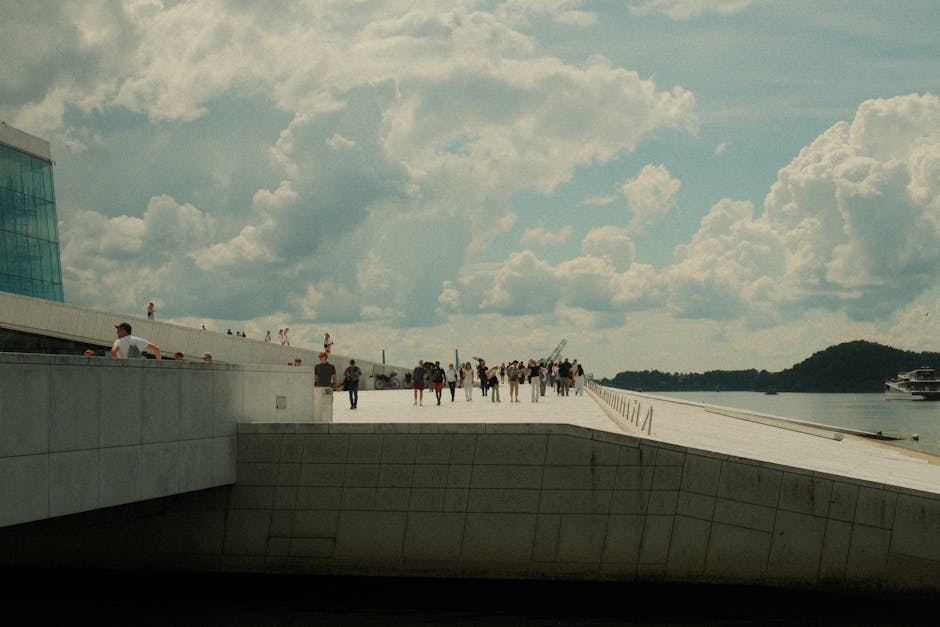
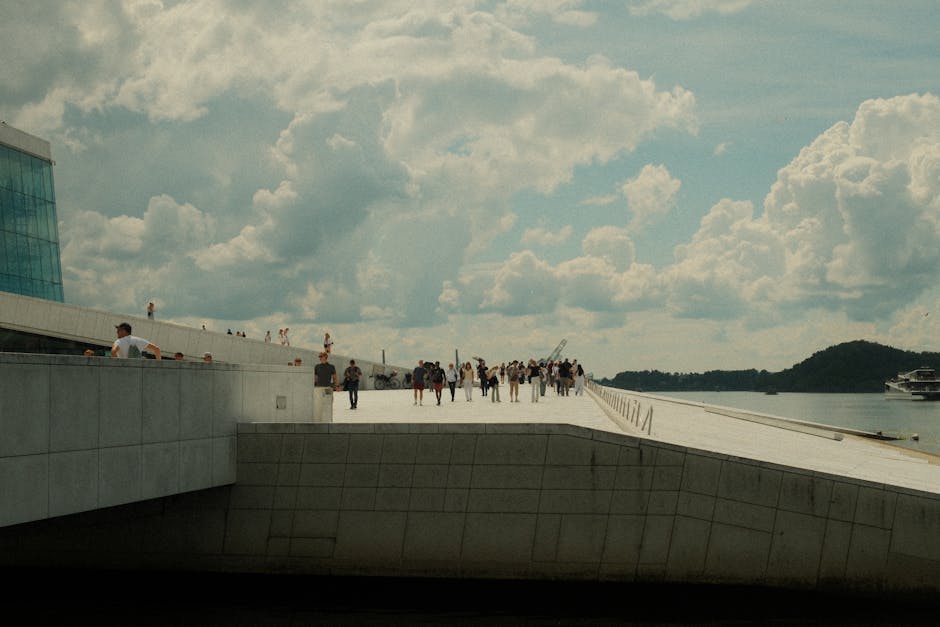
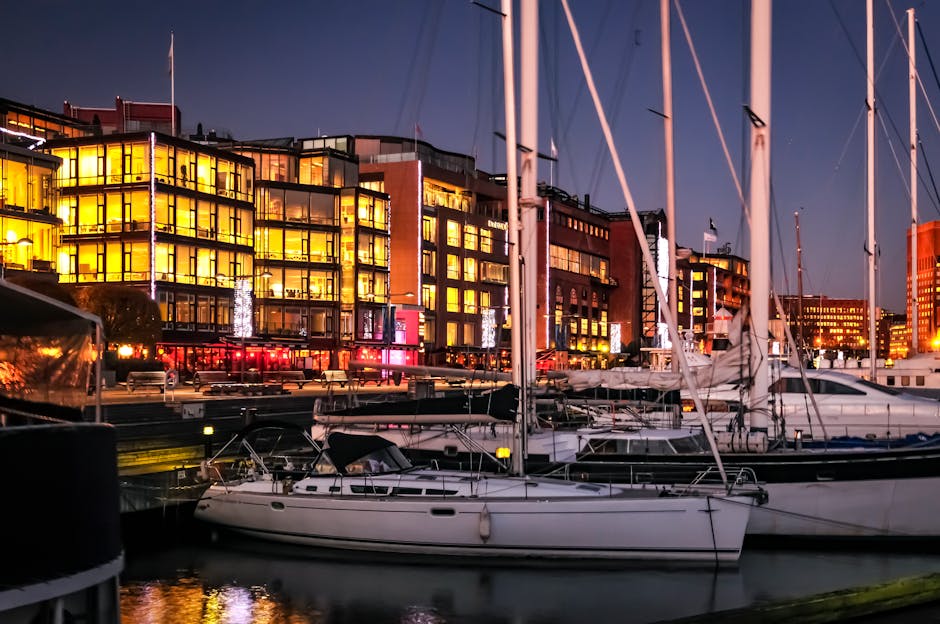
- Day 2 midday: Lunch around Aker Brygge/Tjuvholmen and stroll the quays. A quick visit to the Oslo Opera House (Kirsten Flagstads Plass 1, 0150 Oslo) is easy; public access to the roof is usually open 09:00–18:00. Head up for panoramic views and photos (15–30 minutes).
- Day 2 afternoon: Take tram or bus to Vigeland Park (Nobels gate 32). Wander Frognerparken for 1–1.5 hours and visit the Vigeland Museum if time allows (often open until 16:00). Return by tram to the central station or Grünerløkka for a final coffee.
Tip: the pass combines transport and museum entries so you don’t have to pay at each stop; for itinerary B, MUNCH + Opera roof visit (free) + Vigeland Museum often adds up to more than half the price of a 48-hour pass.
4) Cost/benefit analysis: when the Oslo Pass pays off for 48 hours
Whether the Oslo Pass is worth it depends on your visitor profile. Here are common traveler types and whether the pass is recommended.
- You’re a museum lover (3–4 museums in 48h): The Oslo Pass is generally a good deal. Example: MUNCH (~€22) + Fram (~€14) + Kon-Tiki (~€14) = ~€50. Add the cost of transport (if bought separately as a day pass) and the Oslo Pass becomes an attractive option.
- You prefer outdoor walks and neighborhoods (Opera, Aker Brygge, Vigeland, fjord strolls): Less clear-cut. Outdoor attractions like the Opera roof and Vigeland Park are free; if you don’t enter many paid museums, a pass may not pay off. Buying single tickets or a simple transport day-pass might be enough.
- You arrive late or leave early (less than two full days): Crunch the numbers for the actual hours you’ll spend sightseeing. With only 1.5 days, a 48-hour pass may be less cost-effective than targeted tickets.
- Families and students: There are often reduced rates for children and youth. Check specific discounts; sometimes children enter certain museums for free. A family pass can be worthwhile for two adults plus kids.
Practical rule: add up the individual ticket costs for your must-see attractions. If the total exceeds the price of the 48-hour pass (plus the value of unlimited transport), buy the pass. If you plan only 1–2 paid museums, choose single tickets and a Ruter 24/48h transport pass instead.
5) Practical tips, opening times, useful addresses and local advice for 48 hours
To make the most of two days in Oslo with or without the Oslo Pass, here are practical tips (hours, addresses, local customs) that will save you time and money:
- Buying the pass online vs on-site: You can buy the Oslo Pass online (digital version or to collect) or at partner sales points (tourist information centres). Buying online lets you activate it at your chosen start time. Check the official Oslo Pass page for pickup locations.
- Transport — useful details: The Ruter network (metro/tram/bus) covers Oslo. The Oslo Pass usually includes unlimited travel within the urban zone (often Zone 1). Main hub address: Oslo Central Station (Oslo Sentralstasjon, Jernbanetorget 1, 0154 Oslo). If you plan to go to Gardermoen airport, buy a separate Flytoget or NSB ticket (Flytoget from Oslo Central to Oslo Airport costs about €22–28).
- Seasonal hours — high vs low season: Most museums extend hours in summer (June–August). In winter, some museums close earlier and ferries to Bygdøy run less frequently. Check each museum’s site the week of your visit.
- Skip-the-line tickets and reservations: Some museums like MUNCH may require a timed reservation even if entry is included with the pass. Book your time slot online to avoid being turned away due to capacity limits.
- Cash vs card: Norway is card-focused and contactless payments are the norm. Bring a card with low foreign-fee charges if possible; few places prefer cash. A digital pass also simplifies transactions.
- Local meal tips: For a quick and typically Norwegian lunch: smoked salmon, open-faced sandwiches (smørbrød) and soups at cafés around Aker Brygge. Expect about €12–20 per person for a decent lunch. Dinner ranges roughly €30–60 depending on the restaurant.
- Safety and comfort: Oslo is safe and clean. Wear comfortable shoes: cobblestones and waterfront promenades involve a fair bit of walking. In autumn/winter, layer up — bring warm layers, a windproof jacket and waterproof outerwear.
Conclusion — Is the Oslo Pass Worth It for 2 Days in Oslo? My short verdict
After reviewing what’s included, estimated prices, addresses and opening hours of major sites, and offering sample itineraries, the short answer is: it depends on what you want to see. If your 48-hour plan includes 2–4 paid museums (especially MUNCH, Fram, Kon-Tiki, Norsk Folkemuseum) and you expect to use public transport multiple times (ferries included), the 48-hour Oslo Pass is likely worth it and will save you both time and money. You’ll enjoy free entries, unlimited trams and metros in the centre, and discounts for other activities.
Conversely, if your weekend is mostly outdoors (Oslo Opera roof, strolling Aker Brygge, Vigeland Park, wandering Grünerløkka) with few museum visits, it’s often cheaper to buy a few individual tickets and a short transport day-pass (24h). Keep in mind that some museums require a timed reservation even with the pass: check in advance so you don’t miss reserved slots.
Final tip: before buying, list your personal “must-see” attractions and add up individual entry prices in euros. Add the transport costs you’d normally pay (a Ruter day-pass or single tickets). If the total exceeds the 48-hour pass price (including the value of unlimited transport), go for the pass. If not, build a tailored pay-as-you-go plan. Oslo deserves to be savoured, not rushed: two well-planned days can offer a great mix of art, history and Norwegian city life.
Have a great trip to Oslo — plan according to what excites you most: museums, the fjord, or city strolls; the Oslo Pass can be your best ally if you’re keen on museums and want to optimize both budget and time over 48 hours.