




Introduction — Why visit Oslo’s museums and how to choose between single tickets or the Oslo Pass
Oslo is a compact capital overflowing with culture: world-class museums, cutting-edge exhibitions, Viking heritage and dramatic maritime scenery. For travelers who want to mix art, Nordic history and scenic city views, the key question often becomes: should you buy individual tickets for each museum or get an Oslo Pass that promises entry and public transport included? This full guide walks you through 10 must-see Oslo museums with addresses, opening hours, estimated prices in euros and practical tips to help you save time and money.
Before we dive into each venue, a few practical points. Oslo’s museums are spread between the city center and the Bygdøy peninsula (reachable by ferry or bus from Aker Brygge), plus sites up on the hills like Holmenkollen. Distances aren’t huge, but travel — especially when ferries or cable cars are involved — can take time. The Oslo Pass often covers admission to a wide selection of museums, public transport within Zone 1, and sometimes discounts for cruises and guided tours. However, not every museum is always included and major temporary exhibitions can require an extra fee.
Choosing between single tickets and the Oslo Pass comes down to three main factors: how long you’re staying, how fast you like to move, and what you care about most culturally. If you’re in town for 24–48 hours and plan to visit several major museums (for example MUNCH, the National Museum, Fram Museum, and the Norwegian Museum of Cultural History), the Oslo Pass can be worthwhile. On the other hand, for a longer stay at a relaxed pace (one museum per day) or if you focus on a single theme (only Viking museums), buying individual tickets might be cheaper.
This guide gives, for each museum: the full name, exact address, estimated entrance fee in euros (updated estimate for May 2026 — check official sites before you go), typical opening hours, an immersive description of what to expect, and a practical tip on whether to use the Oslo Pass or buy single tickets. At the end you’ll find a quick summary to help decide what fits your itinerary and visitor style.
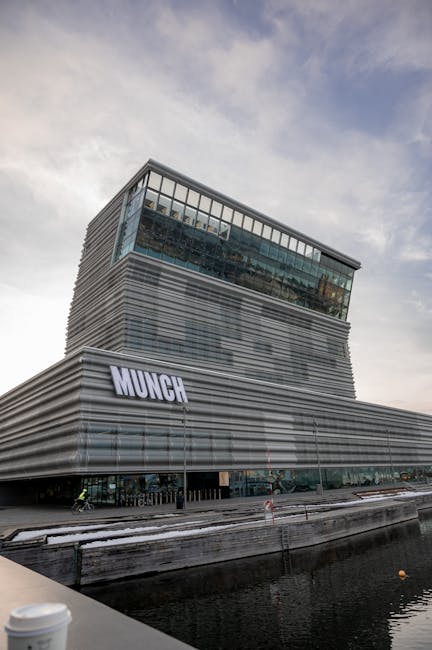
1. MUNCH — The new MUNCH (Edvard Munchs plass 1, 0194 Oslo) : modern art, Munch and immersive experiences
Address: MUNCH, Edvard Munchs Plass 1, 0194 Oslo. Opening hours: typically open Tuesday–Sunday 10:00–18:00, Thursdays until 20:00; closed Mondays (check public holidays and special exhibitions). Estimated prices (May 2026): adult ticket €20; reduced €12; free for under 18s. Entry to the permanent collection is sometimes included with the Oslo Pass — check current terms.
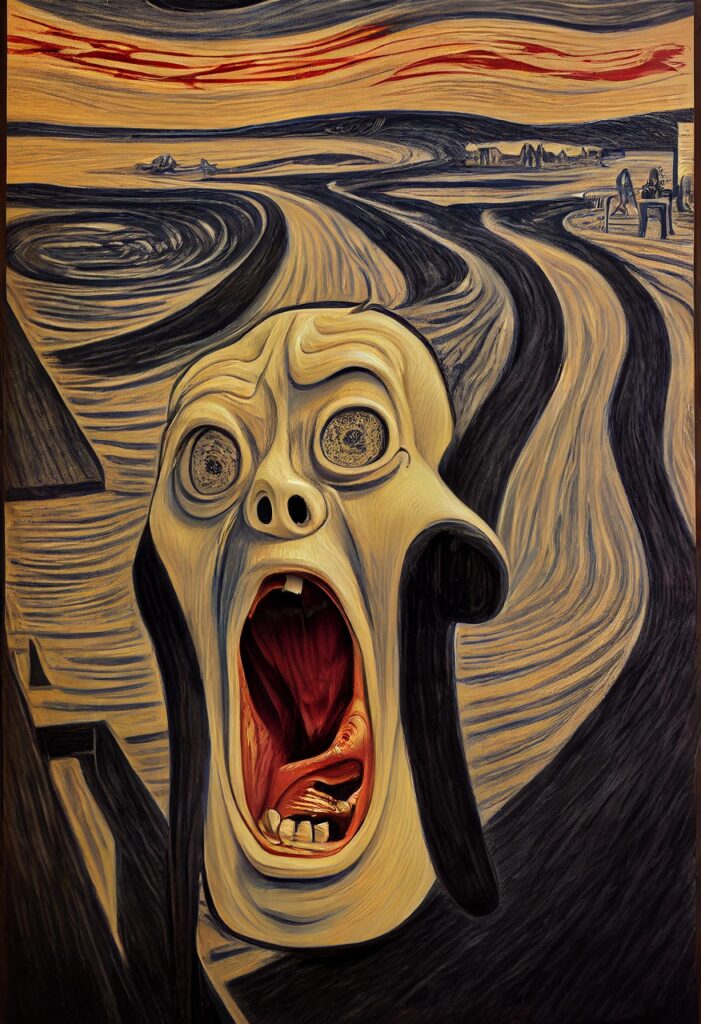
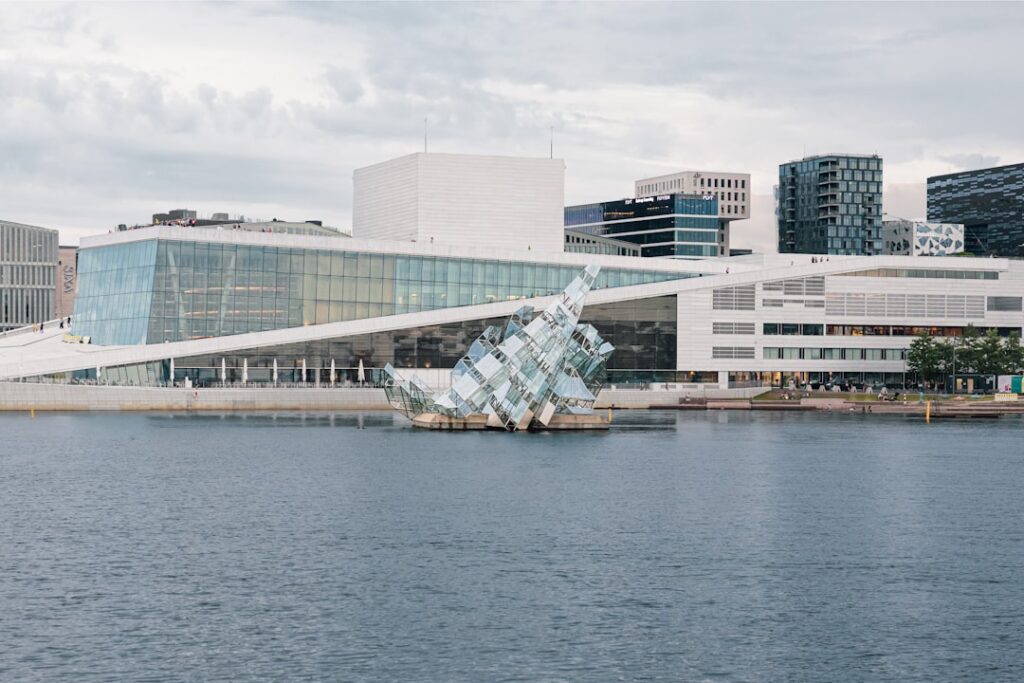
MUNCH acts as both a shrine to Edvard Munch and a platform for contemporary art and performance. The luminous glass architecture opens onto the fjord, extending the experience of the artworks with wonderful views. Inside you’ll find a chronological collection of paintings, drawings and prints, plus themed rooms devoted to The Scream in its many versions and contextual materials (photos, letters, studies). Temporary shows often place Munch in dialogue with international contemporary artists, producing immersive, multimedia installations.
Local tip: arrive early to avoid lines and to get the best angles for photographing the façade. If you’re passionate about Munch, allow 2–3 hours to take in the details and the many graphic works. Buying a timed online ticket can give you more flexibility.
2. NASJONALMUSEET — National Museum (Universitetsgata 13, 0164 Oslo) : Norwegian art and national collections
Address: Nasjonalmuseet – National Museum, Universitetsgata 13, 0164 Oslo. Opening hours: Tuesday–Sunday 10:00–18:00, Thursdays until 20:00; closed Mondays. Estimated prices: adult €15; reduced €9; free for under 18s. Entry is sometimes included with the Oslo Pass (check current conditions).
The National Museum houses Norway’s collections of art, architecture and design. The permanent displays offer a sweeping view from medieval works to contemporary pieces, including iconic 19th-century national paintings, period furniture and thematic exhibits on Scandinavian design. The airy interior layout and generous natural light make visiting pleasant even on busy days.
Local tip: book a guided tour to understand the major aesthetic shifts in Norwegian art. The museum shop is well curated for art editions and Scandinavian design items. If you have an Oslo Pass, double-check whether major temporary exhibitions are covered — special shows often require an additional ticket.
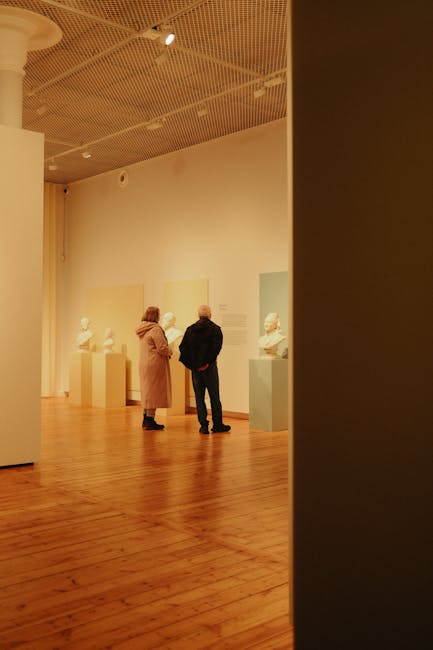
3. VIKING SHIP MUSEUM — Part of the Museum of Cultural History (Bygdøyveien 34, 0286 Oslo) : Viking ships and funerary treasures
Address: Viking Ship Museum (Museum of Cultural History), Bygdøyveien 34, 0286 Oslo (Bygdøy). Opening hours: generally open daily around 10:00–17:00 (hours vary by season). Estimated prices: adult €13; reduced €8; free for under 18s. Entry is sometimes included with the Oslo Pass, but museum reorganizations can change access — check before you go.
This museum immerses you in the Viking Age with three remarkably well-preserved funerary ships displayed alongside gold objects, textiles and tools. The atmosphere is solemn; careful lighting and showcases let you study shipbuilding details and burial ornaments. The exhibits place the vessels in their social and ritual context, explaining hierarchy, trade and the seafaring life of first-millennium Scandinavians.
Local tip: pair this visit with the Norwegian Maritime Museum and the Kon-Tiki Museum on Bygdøy — it’s convenient to do them in a half-day loop. Take the ferry from Aker Brygge for a scenic approach. In high season, arrive early to beat cruise-ship crowds.
4. FRAM MUSEUM (Bygdøynesveien 39, 0286 Oslo) : polar exploration and the ship Fram
Address: Fram Museum, Bygdøynesveien 39, 0286 Oslo. Opening hours: often open daily 10:00–16:00/17:00 depending on season. Estimated prices: adult €12; reduced €7; free for under 18s. Access is generally included with the Oslo Pass — the Fram Museum is a major Bygdøy attraction.
The Fram Museum houses the polar exploration ship Fram, famous for Arctic and Antarctic expeditions. Boarding the ship is a unique experience: walk from deck to hold, see crew compartments, and get a feel for the extreme conditions explorers endured. Interactive panels and multimedia exhibits recount the lives of Roald Amundsen and Fridtjof Nansen and explain the science and technology behind polar expeditions.
Local tip: leave time for the film and any guided tours if available. The museum is especially family-friendly and appeals to history-of-science enthusiasts. Combine it with the Kon-Tiki Museum nearby for a full exploration-themed day.
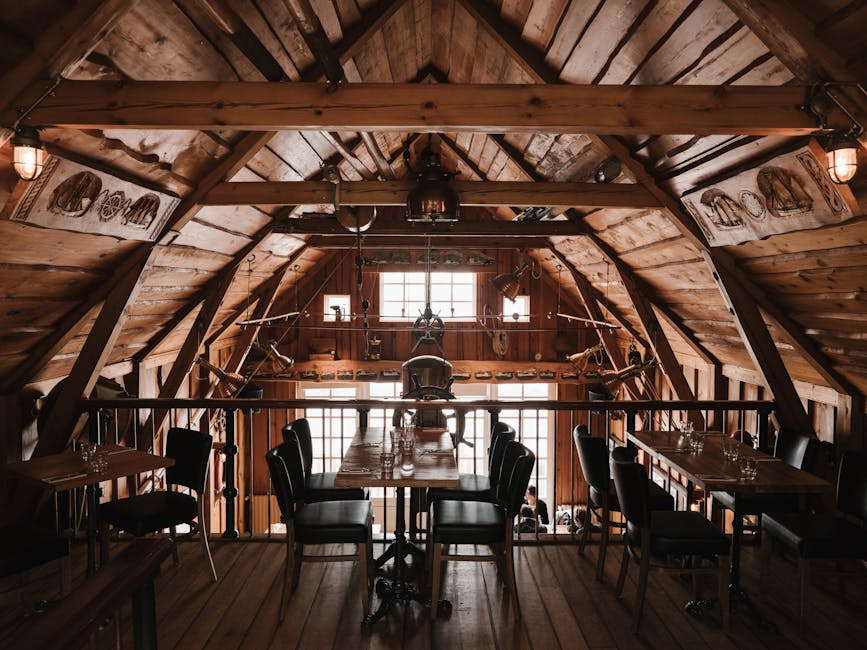
5. KON-TIKI MUSEUM (Bygdøynesveien 36, 0286 Oslo) : tropical adventures and historic rafts
Address: Kon-Tiki Museum, Bygdøynesveien 36, 0286 Oslo. Opening hours: typically open 10:00–16:00/17:00, seasonal hours may vary. Estimated prices: adult €11; reduced €7; free for under 18s. Often included with the Oslo Pass.
The Kon-Tiki Museum tells the story of Thor Heyerdahl and his 1947 trans-Pacific voyage on a balsa-wood raft. The centerpiece is the original Kon-Tiki raft preserved in a controlled environment. The exhibition explores the mix of daring adventure, hypothetical anthropology and scientific controversy, and includes artifacts from later expeditions, photos, films and personal accounts.
Local tip: the Kon-Tiki is accessible and engaging even if you’re not a humanities buff. It’s often best visited in the morning or on a rainy day since its compact size makes it an ideal 45–90 minute stop between larger museums.
6. NORSK FOLKEMUSEUM — Norwegian Museum of Cultural History (Museumsveien 10, 0287 Oslo) : open-air village and folk heritage
Address: Norsk Folkemuseum, Museumsveien 10, 0287 Oslo (Bygdøy). Opening hours: seasonal — typically open daily 10:00–17:00 in high season, reduced hours in winter. Estimated prices: adult €16; reduced €10; free for under 18s. Entry to the museum and outdoor site is often included with the Oslo Pass, making it great value if combined with other Bygdøy visits.
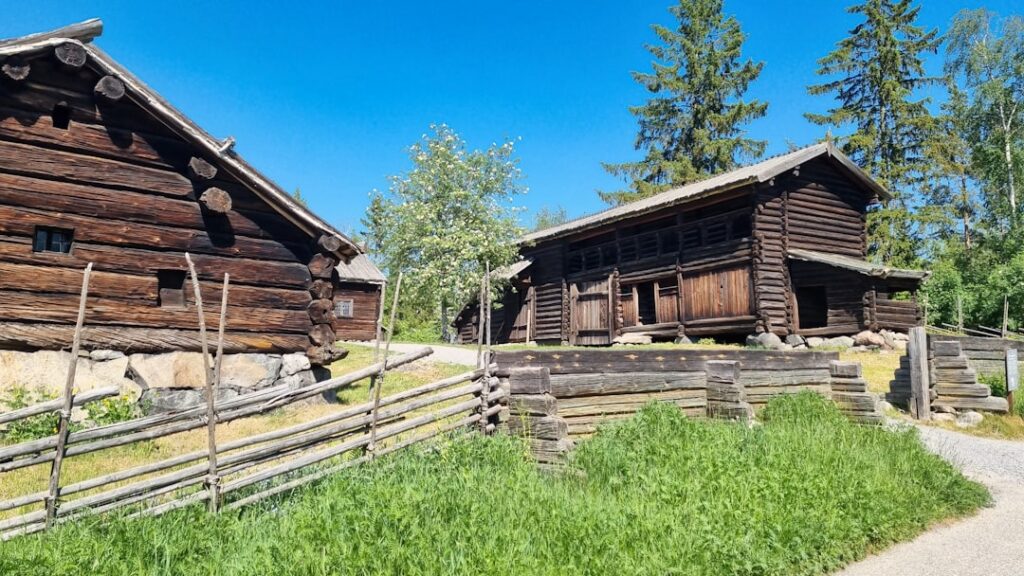
This open-air museum offers a window into rural and urban Norway through the ages. Traditional farms, a carved wooden church and reconstructed townhouses provide a tactile, walk-through experience. Costumed interpreters demonstrate crafts and everyday life, while indoor exhibits display textiles, furniture and religious objects. Seasonal events (Christmas markets, craft demonstrations) add extra layers to the visit.
Local tip: allow at least 2–3 hours to explore houses and indoor exhibitions properly. In summer, bring a windbreaker — the outdoor site can change quickly with the weather. If you have the Oslo Pass, you’ll usually save at least the equivalent of the single ticket price, especially when combining with other Bygdøy museums.
7. HOLMENKOLLEN SKI MUSEUM & TOWER (Kongeveien 5, 0787 Oslo) : skiing, panoramas and winter sport history
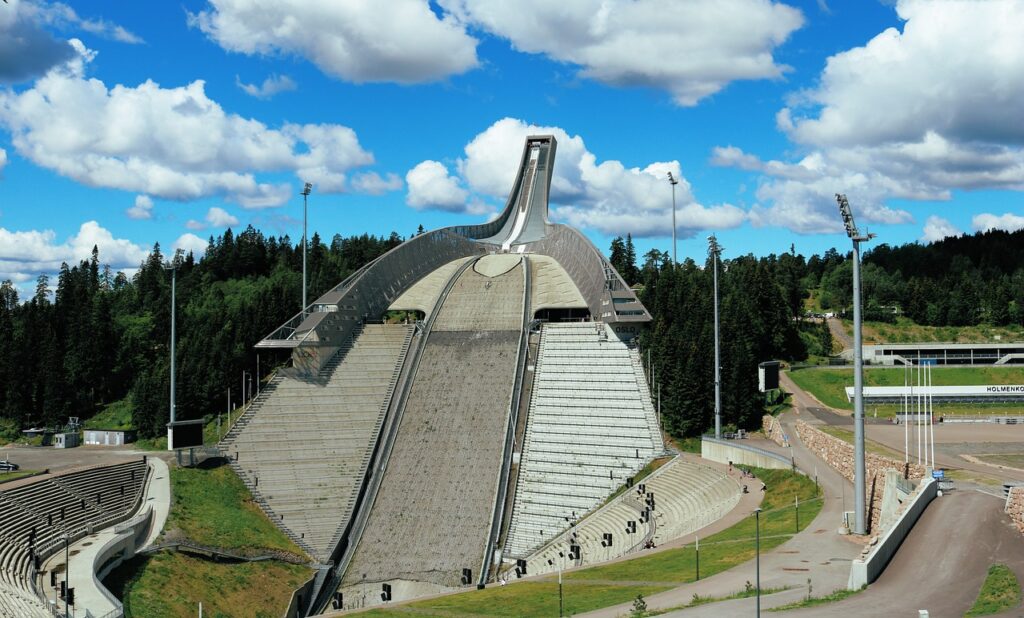
Address: Holmenkollen Ski Museum & Tower, Kongeveien 5, 0787 Oslo. Opening hours: usually open daily depending on season, often 09:00–17:00 in winter/summer (check cable car and summit access). Estimated prices: adult €14; reduced €8; free for under 18s. Access to the tower is sometimes included in the Oslo Pass — usually the museum is covered, and the panoramic platform may be partially included.
Holmenkollen is both an icon and a museum of Norwegian skiing: displays cover 4,000 years of ski history with equipment, films and athlete stories. The highlight is the ascent of the jump tower, offering one of the best views over Oslo and the fjord. The sense of height combined with the national and sporting narrative makes for an emotional, informative visit.
Local tip: the site sits at altitude and can be cool even in summer — dress appropriately. Go up early for crowd-free photos. On a clear day the climb is well worth the price for the panoramic views. Combine the trip with a walk in the Nordmarka forest or a stop at the nearby park café.
8. NOBEL PEACE CENTER (Brynjulf Bulls plass 1, 0250 Oslo) : peace, the Nobel Prize and interactive exhibits
Address: Nobel Peace Center, Brynjulf Bulls plass 1, 0250 Oslo (near Aker Brygge). Opening hours: usually open daily 10:00–18:00, Thursdays until 20:00. Estimated prices: adult €12; reduced €8; free for under 18s. The museum is often included with the Oslo Pass.
The Nobel Peace Center showcases the lives of Nobel Peace Prize laureates, the ideas behind the prize and contemporary debates about peace and human rights. Exhibits combine archives, film projections, interactive installations and video testimonies. The approach is both educational and sometimes provocative, inviting visitors to reflect on practical ways to resolve conflicts.
Local tip: its waterfront location makes it an easy stop after a stroll around Aker Brygge. Plan for about 1–1.5 hours. Audio guides in multiple languages are helpful for historical context and laureate biographies.
9. ASTRUP FEARNLEY MUSEUM (Strandpromenaden 2, 0252 Oslo — Tjuvholmen) : exceptional private contemporary art
Address: Astrup Fearnley Museum, Strandpromenaden 2, 0252 Oslo, Tjuvholmen. Opening hours: often open daily 11:00–17:00 (Thursdays open later), hours may vary. Estimated prices: adult €14; reduced €9; free for under 18s. This museum is sometimes included with the Oslo Pass, but major temporary shows may require an extra fee.
Located on the Tjuvholmen peninsula, Astrup Fearnley stands out for its Renzo Piano architecture, outdoor sculptures and a top-tier international contemporary collection. Galleries stage conversations between monumental works, installations and intimate pieces. The waterfront setting with terraces and cafés also makes it a relaxing spot after touring the galleries.
Local tip: pair the visit with a walk along the waterfront and a stop in the nearby art district. Check opening times and the schedule for temporary exhibitions, which are often in high demand. If available, combined tickets covering the terrace/café events and the exhibition can be worthwhile during special events.
10. NORWEGIAN MARITIME MUSEUM (Bygdøynesveien 37, 0286 Oslo) : Norway and the sea
Address: Norwegian Maritime Museum, Bygdøynesveien 37, 0286 Oslo (Bygdøy). Opening hours: generally open daily often 10:00–17:00; hours change off-season. Estimated prices: adult €10; reduced €6; free for under 18s. Entry is frequently included with the Oslo Pass.
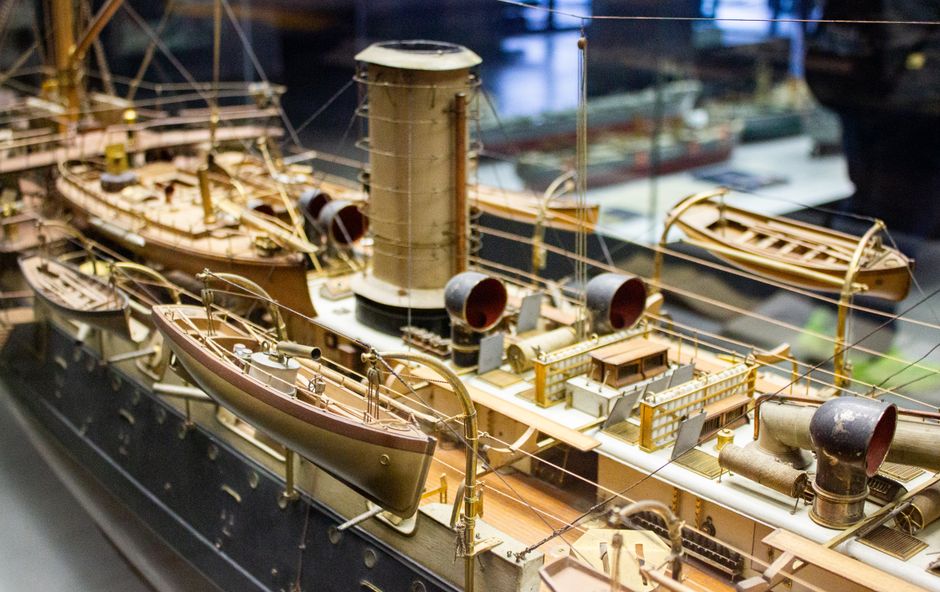
This museum explores the central role of the sea in Norwegian culture and economy — from coastal fishing to commercial shipping and polar exploration. Exhibits feature ship models, navigation instruments and the stories of sailors and fishermen. It’s an excellent complement to the Fram Museum and the Viking Ship Museum for a rounded understanding of Norway’s maritime heritage.
Local tip: combine it with other Bygdøy museums for a themed day. Many exhibits have English descriptions, and kids usually enjoy the ship models and simulators. Pay attention to the ferry timetables serving Bygdøy if you plan multiple stops in one day.
Conclusion — Single tickets or the Oslo Pass: how to decide based on your profile
After touring these ten museums, the choice between single tickets and the Oslo Pass becomes clearer when you consider three typical scenarios:
- Short, intense stay (24–48 hours): the Oslo Pass is often a smart pick. If you plan to hit MUNCH, the National Museum and two Bygdøy museums (for example Fram + Viking Ship or the Norsk Folkemuseum), the pass covers admission and transport, significantly lowering total cost and avoiding separate ticket purchases. It also saves time at ticket counters (purchase and entry included).
- Longer stay at a relaxed pace (3–5 days): tally up what you actually want to see. If you visit one museum per day and prefer to go in-depth, single tickets may be cheaper. The Oslo Pass only becomes cost-effective if you visit many attractions and make active use of public transport and discounts.
- Specialist visitor: if you’re focused on a single theme (only contemporary art, or only polar exploration), buying targeted single tickets for those sites makes more sense. Check, though, whether those museums offer bundles or online discounts.
Practical checks before you buy:
- Consult official websites for up-to-date prices and the Oslo Pass policy on including temporary exhibitions.
- Plan a half-day for Bygdøy if you want to visit several museums there — the ferry from Aker Brygge is recommended for the views and convenience.
- Book online for MUNCH and the National Museum in high season; start early at Holmenkollen if you want to avoid crowds.
- Look into student/senior discounts and the common free entry for under-18s (widely available in Norway).
In short, for most short-stay visitors to Oslo who want to see several major sites, the Oslo Pass offers simplicity and savings. But for focused exploration or longer, slower trips, single tickets can be more flexible and economical. Use this guide to add up the likely cost of your itinerary (sum the individual prices listed) and compare it with the Oslo Pass price for your stay. And most importantly, leave time to wander: Oslo’s museums are best savored slowly, between fjord views, café stops and city panoramas.