





Introduction: Free Museums in Oslo — why visit and how to plan
Oslo, Norway’s lively capital, blends contemporary art with historic heritage, urban nature with inventive museum spaces. For curious travelers, cultural costs can quickly add up: museum tickets, temporary exhibitions, guided tours. Luckily, Oslo offers a wide selection of institutions, museum parks and cultural sites that are free to enter — either year-round or during specific time slots. This practical, detailed guide lists those places, gives exact addresses, typical opening times and offers visiting tips so you can enjoy these treasures without spending a cent.
In these pages you’ll find state-run museums with free public areas, contemporary art centers that open exhibitions at no charge, and monuments and museum parks that often pack as much history as a conventional museum. For each spot I provide an immersive description: what you’ll see when you walk in, which works or installations to remember, plus local tips to avoid the crowds or extend your visit (cafés, bookshops, transport). You’ll also find suggested half-day and full-day itineraries that are entirely free, along with practical info on accessibility and rough euro conversions when ancillary services (cafés, shops) may cost money.
Important note: opening hours and free access can change (temporary exhibitions may be ticketed, closures for renovation). I’ve used the most reliable and stable info available — but when in doubt, check official sites before you travel. For savvy travelers I include photo tips, viewpoints and the best times of day for light (sunrise/sunset, quiet mornings). Finally, each place includes an exact address to make navigation from your accommodation or the main train station (Oslo Central Station / Oslo S) easy.
1. Major public sites and free museums: where to go and what to see (Frogner, Rådhuset, Akershus)
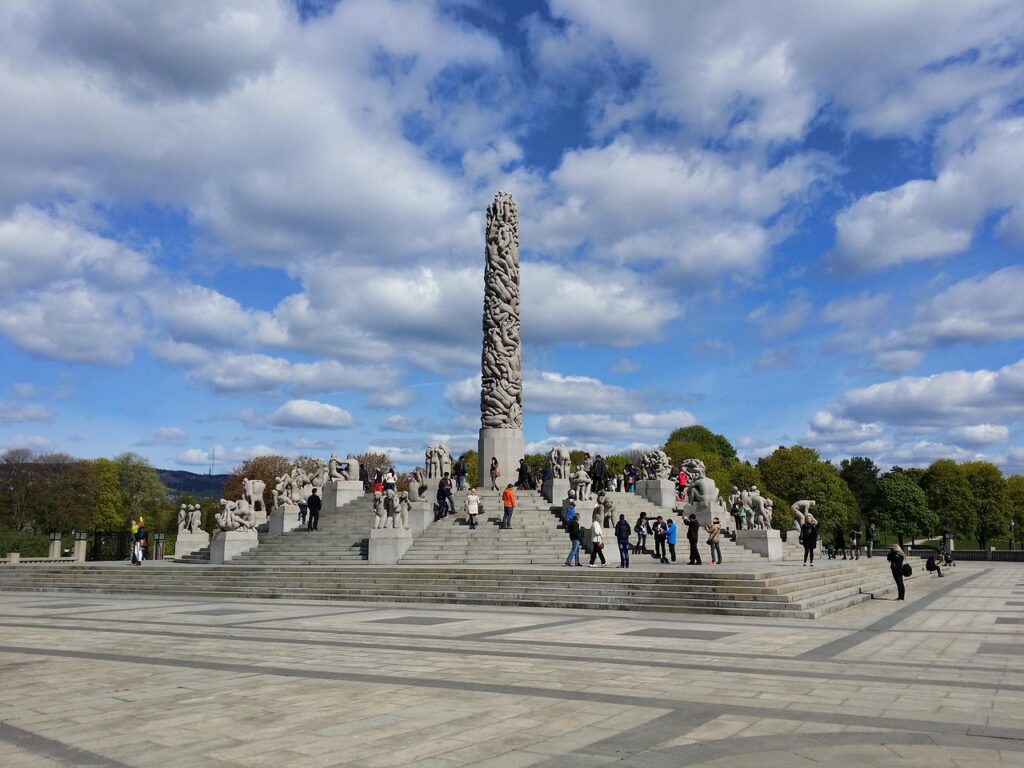
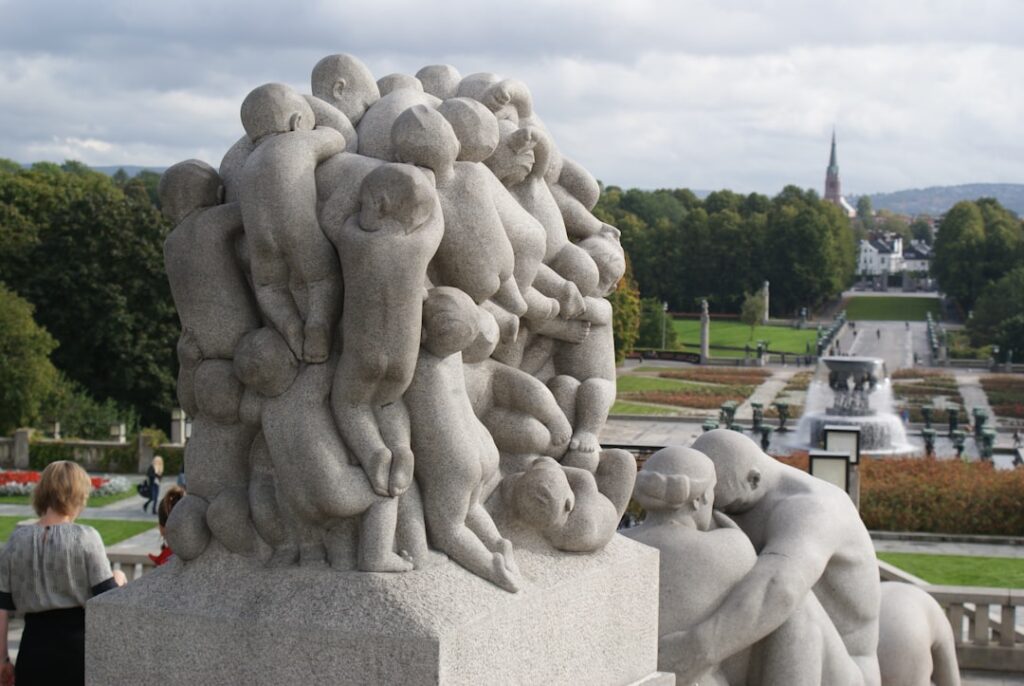
Frogner Park and Vigeland Sculpture Park are among Oslo’s must-see free attractions. Vigeland Sculpture Park, part of Frogner Park, is a monumental outdoor space featuring more than 200 sculptures in bronze, granite and wrought iron by sculptor Gustav Vigeland. It’s an open-air site, accessible 24/7 year-round with no ticket required. Exact address: Frognerveien 35, 0268 Oslo. Price: €0 to enter the park. Opening hours: free access anytime — aim for early morning to avoid the crowds and enjoy soft light on the statues.
The Oslo City Hall (Rådhuset) is another free cultural spot. Famous for its large murals celebrating Norwegian history and its views over the fjord, Rådhuset welcomes visitors and often runs free guided tours at set times (usually on weekdays). Address: Rådhusplassen 1, 0037 Oslo. Price: €0 to enter; guided tours usually free (often available in English and Norwegian) — check in at the welcome desk. Hours: generally open to the public Monday to Friday, often 09:00–15:00 for the main hall and public displays (hours can vary for official events).
Akershus Fortress (Akershus Festning) lets you stroll the ramparts and courtyards for free and offers spectacular views over the Oslofjord. Address: Festningsplassen 1, 0015 Oslo. Price: €0 to access the outdoor areas and grounds; some museums inside (like the Norwegian Resistance Museum) charge admission. Hours: outdoor areas are open year-round, 24/7. Tip: walk out to the batteries and bastions at sunset for beautiful photos of the fjord and harbor.
2. Art centers and galleries with free entry: DOGA, Kunstnernes Hus, Nasjonalbiblioteket
Several places devoted to design, architecture and contemporary art offer free admission to their temporary or permanent exhibitions. Here are three you should know about:
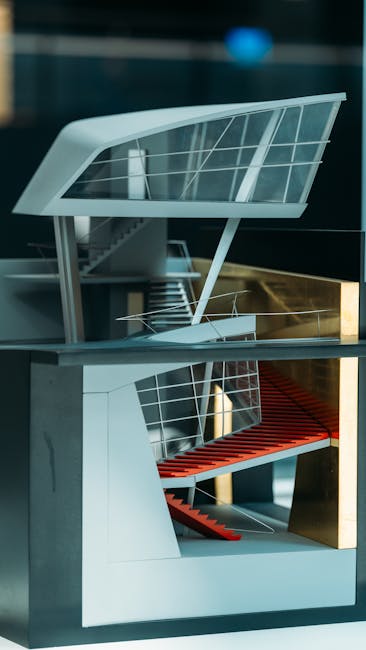
- DOGA — Design and Architecture Norway (etter DOGA): exact address Hausmanns gate 16, 0182 Oslo. Price: generally free to enter the exhibition spaces and shop; workshops or special events may charge a fee (€0 for a simple visit). Hours: typically open Tuesday–Friday 10:00–16:00, Saturday 11:00–16:00 (times may vary). Description: DOGA showcases exhibitions on sustainability, urban planning and contemporary Norwegian design. Bright interiors, architectural models and sensory installations — great for understanding Norway’s urban challenges and spotting design-minded souvenirs.
- Kunstnernes Hus (House of Norwegian Artists): address Wergelandsveien 17, 0167 Oslo. Price: usually free (€0) for main exhibitions; some special events or performances may require a ticket. Hours: often 11:00–17:00 (closed certain days); check the program on the official site. Description: a historic venue for contemporary exhibitions, with a main gallery, café and art bookshop. Intimate atmosphere — ideal for discovering emerging Norwegian artists and dialogues between painting and installation work.
- Nasjonalbiblioteket (The National Library of Norway): address Henrik Ibsens gate 110, 0255 Oslo. Price: €0 to enter exhibition spaces and reading rooms; access to special archives may require registration. Hours: roughly 10:00–17:00 on weekdays, reduced hours at weekends; some temporary shows may have specific timings. Description: beyond books, the building stages exhibitions about Norway’s cultural history, famous ex-libris and multimedia presentations — a perfect spot for fans of media history and the written word.
Local tip: photographers will find interesting angles at DOGA and Kunstnernes Hus — early morning or late afternoon is best for natural light. All these places have cafés or nearby food options; budget €5–10 if you want a coffee or a small snack after your visit.
3. Museum parks and outdoor spaces that are free: Ekebergparken, Bygdøy walks
Beyond traditional museums, Oslo offers museum parks and cultural trails that rival indoor exhibitions. These spaces are perfect in good weather but can still be enjoyed in light rain with a proper Norwegian rain jacket.
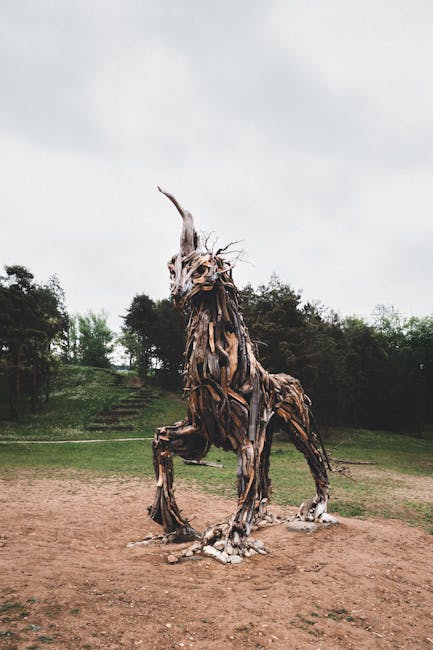
Ekebergparken Sculpture Park is a large outdoor art collection set in a wooded park, with contemporary sculptures that provide stunning views of the city and the fjord. Address: Kongsveien 23, 0193 Oslo (entrances from multiple points). Price: €0 to enter the park. Hours: free access 24/7; the visitor center may have limited opening times. Immersive description: gravel paths that lead to clearings where sculptures and installations converse with nature — a perfect place for urban hiking, birdwatching and panoramic photography.
The Bygdøy peninsula is best known for its ticketed museums (Kon-Tiki, Fram, the Viking Ship Museum), but its beaches and coastal paths remain free and act as an open-air maritime museum. General address: Bygdøy, 0286 Oslo (reach by ferry from the center or by bus). Price: €0 for coastal walks and beaches. Hours: public areas open year-round. Description: stroll along the quays, discover little coves, enjoy views of sailing boats and old fisher cottages — ideal for a picnic after visiting a paid museum if you choose one.
Local tip: to avoid crowds in Ekebergparken, visit early morning or late afternoon; bring sturdy walking shoes and a warm layer, as the wind on the plateau can be sharp. At Bygdøy, combine a free coastal walk with a stop at a museum café or beach kiosk if your budget allows.
4. Political buildings, libraries and public archives: Stortinget, Nationaltheatret and open spaces
Politics and culture often meet in public buildings that open their doors free of charge. Visiting these sites reveals not only architecture but also Norway’s history and democratic workings.
Stortinget (the Norwegian Parliament) runs free guided tours that show the debating chamber, historic rooms and explain how the political system works. Address: Karl Johans gate 22, 0026 Oslo. Price: €0 for public guided tours (you can often sign up on site or online). Hours: tours run at set times on weekdays — arrive 15–20 minutes early. Immersive description: the interior reveals woodwork, murals and the modern openness of a parliament committed to transparency; guides walk you through parliamentary rituals and answer questions.
Nationaltheatret (The National Theatre) and some theatre venues occasionally open backstage areas for free tours or daytime presentations. Address: Johanne Dybwads plass 1, 0255 Oslo. Price: €0 for organised free visits; performances and shows remain ticketed. Hours: variable depending on programming — check the official site. Description: interior architecture, sculpted foyers and historic posters tell the story of Norwegian drama — perfect for theater lovers and those interested in social history.
Besides these landmarks, the Nasjonalbiblioteket (mentioned earlier) and other public archives stage free exhibitions and provide access to collections for researchers. Visiting a reading room or a themed exhibit is often free — though accessing archival documents may require prior registration and a user card.
5. Practical tips: when to visit, transport, budget and local advice
To make the most of Oslo’s free museums, here are practical tips tested by travelers and locals:
- Best season and time: summer (May–September) gives you long daylight hours, perfect for combining outdoor parks with indoor visits. Autumn and spring offer gorgeous low light for photography. On weekdays, arrive early (09:00–11:00) to avoid crowds, especially in parks and outside the City Hall.
- Transport: use the Ruter network (bus, tram, metro and ferry). A single city ticket costs around €4–5 depending on time and zone; buy tickets via the Ruter app or ticket machines. Many free sites are walkable from Oslo S (the central station): Rådhuset, Akershus, Karl Johans gate. For Bygdøy, prefer the ferry from the city center — it’s scenic and the crossing is short.
- Saving money and budget: most places listed are free (€0). Budget €5–15 for a café snack, and €10–25 if you buy a book or small souvenir. Public restrooms or cafés may ask for a small donation or charge a fee.
- Accessibility: most public institutions (Rådhuset, Nasjonalbiblioteket, DOGA) are wheelchair accessible; however, some parks like Ekeberg have steep trails. Check accessibility info in advance if you have specific needs.
- Photography: non-commercial photography is generally allowed in public spaces and parks. In galleries, follow image rules (flash is often prohibited). Respect signage around fragile works and closed rooms.
- Language: public guided tours are often offered in Norwegian and English. For other languages, ask — tourist staff can usually point you to foreign-language resources.
Conclusion: make the most of Oslo’s free cultural offerings
Oslo delivers a surprisingly rich cultural offer for those who know where to look: sculpture parks, historic public sites, libraries and contemporary art centers provide an inexpensive — and often more authentic — alternative to paid tours. By combining a visit to the Rådhuset, a stroll through Vigeland Park, discovery at Ekebergparken and time at DOGA or Kunstnernes Hus, you can put together a varied, educational and visually striking program without spending more than a coffee or transport fare. The addresses and hours in this guide make planning easier, but remember that the cultural scene changes: a special exhibition can sometimes make a normally free space ticketed.
To get the most from these free visits, remember to: check opening times before you go, arrive early for the best light and quiet, carry a Ruter card or the app to save time on travel, and always leave room in your budget for a coffee or a guidebook. Oslo is also best discovered on foot: wander from one free museum to a fjord viewpoint. And don’t hesitate to chat with volunteers or guides — most love sharing local anecdotes and lesser-known tips (markets, free concerts, neighborhood walks) that will enrich your stay without breaking the bank.
Enjoy your cultural journey in Oslo — and remember: some of the best experiences are the free ones, found by taking the time to look, listen and walk.