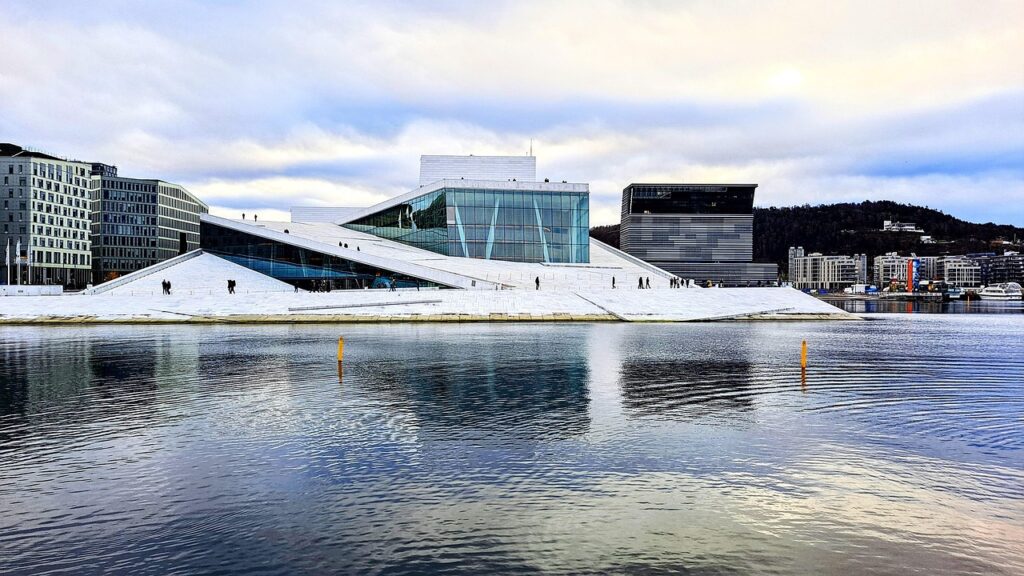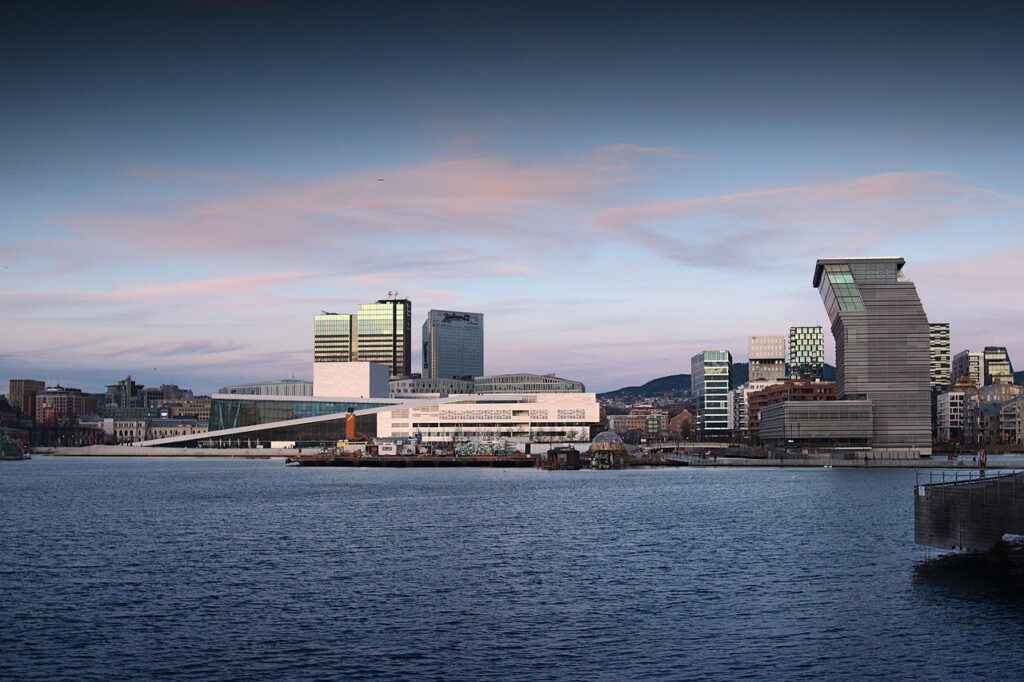






Introduction: Oslo, where history and design meet — a playground for architecture lovers
Oslo isn’t just Norway’s political and economic capital — it’s a city where history and design are in constant conversation. From preserved medieval structures and 1930s modernist buildings to bold contemporary projects and museum spaces that emphasize materiality and spatial experience, Oslo offers curious visitors a layered architectural journey. For architecture fans, the city’s museums and cultural centers are ideal entry points to understand not just forms — façades, volumes, proportions — but also the ideas behind them: preservation, national identity, climate innovation and interior design.
In this detailed, practical guide I’ll walk you through the must-see museums and cultural venues in Oslo for anyone interested in architecture. You’ll find full institution names, exact addresses, indicative ticket prices converted to euros (museums usually list prices in Norwegian kroner), opening hours, in-depth descriptions of collections and buildings, and practical tips to make the most of your visit (best times to go, routes, photo advice, and common mistakes to avoid).
The museums covered here span a wide range: from the new national home of the Nasjonalmuseet (National Museum), which brings art and architecture together in a monumental contemporary building, to the Norsk Folkemuseum (open-air museum) that showcases Norwegian vernacular architecture, and to contemporary design centers like DOGA (Norwegian Centre for Design and Architecture), as well as modern art museums whose buildings are architectural statements in themselves — such as the Astrup Fearnley Museum at Tjuvholmen. Each place offers a different perspective: conservation and museography, temporary exhibitions on design processes, archives and drawings, or case studies in urban regeneration.
This guide also includes practical pointers: how to combine visits in a single day (for example, Bygdøy’s museums with ferries from the city center), which transport pass to use, and which permanent displays to prioritize if your time is limited. Expect reading suggestions and walking routes to extend your architectural exploration around the city: strolls along the fjord, photo stops at the Oslo Opera House, and viewpoints across the new waterfront neighborhoods.
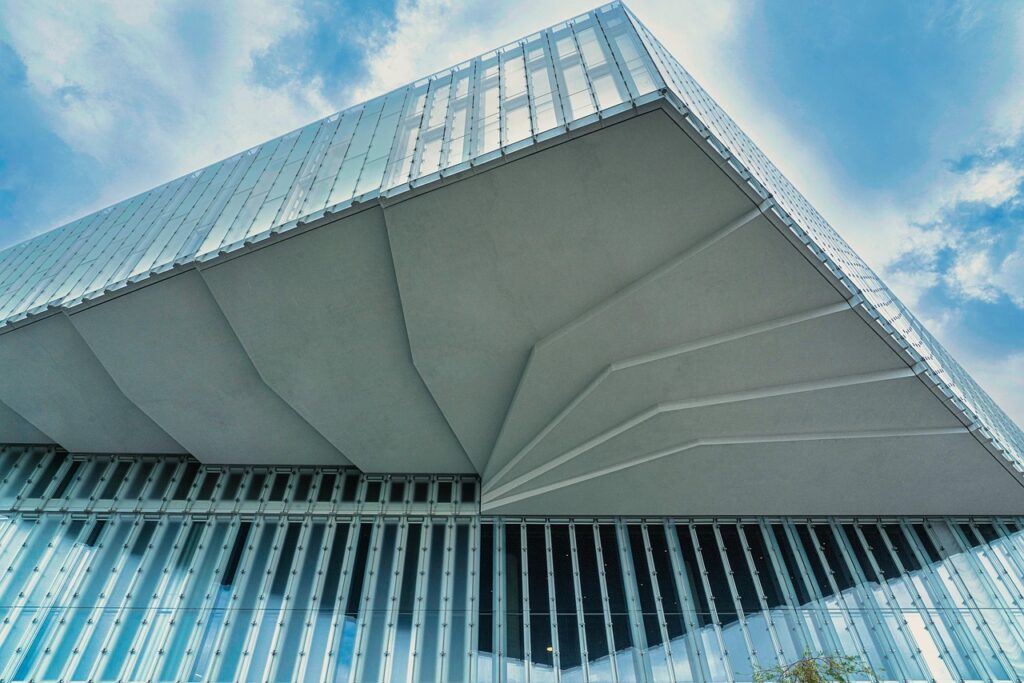
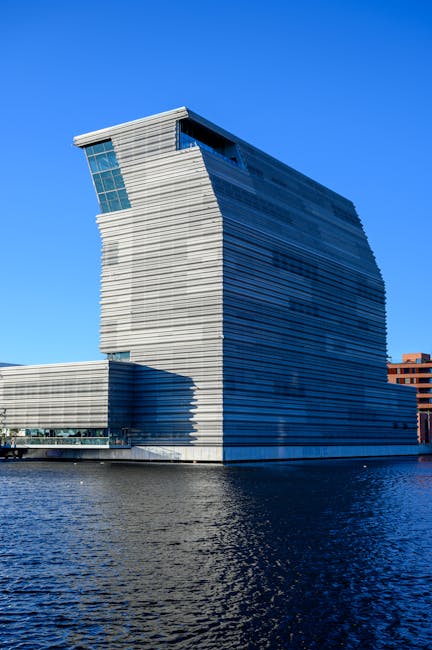
Nasjonalmuseet (The National Museum) — Universitetsgata 13: Norway’s benchmark for art and architecture
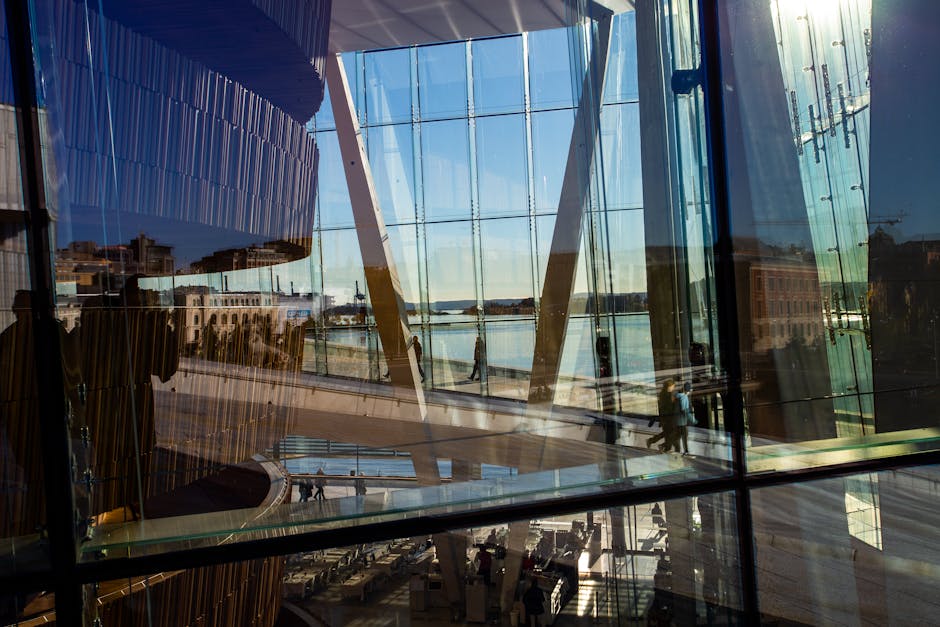
The Nasjonalmuseet (National Museum) is now Oslo’s major museum hub, bringing together the nation’s collections of art, architecture and design under one roof. Exact address: Nasjonalmuseet, Universitetsgata 13, 0164 Oslo. The contemporary building, open to the street and the city center, reads like a manifesto: generous lobbies, carefully controlled natural light, and crafted materials (concrete, wood, glass). For architecture enthusiasts, the visit is twofold: you’ll be looking at both the exhibitions and the museum’s own architecture and museography.
Hours (check before you go): Tue–Sun 10:00–18:00, Thu 10:00–20:00. Usually closed on Mondays. Indicative price: 180 NOK for an adult ticket (roughly €15–17 depending on exchange rates); discounts for students and seniors, free for children and teens. Combined tickets for temporary shows are often available at variable prices (typically an extra 80–120 NOK). The museum runs themed guided tours, sometimes in English, which may be paid or included depending on the exhibition.
Why visit? The Nasjonalmuseet displays key items from Norwegian architectural history (plans, models, drawings) and regularly stages exhibitions on conservation, renovation and urban futures. The design collections showcase iconic furniture and objects that reveal how form, function and materials have evolved in Norway. The permanent route includes detailed labels and often digital resources and tablets for a deeper architectural analysis.
Practical tips: arrive early to enjoy central spaces when they’re almost empty and to benefit from the best daylight in the galleries. Spend time in the museum shop, which is rich in exhibition catalogues and monographs on Nordic architects. If you’re a photographer, check the photo policy — most galleries allow non-flash photography, but some temporary exhibitions may restrict image-taking.
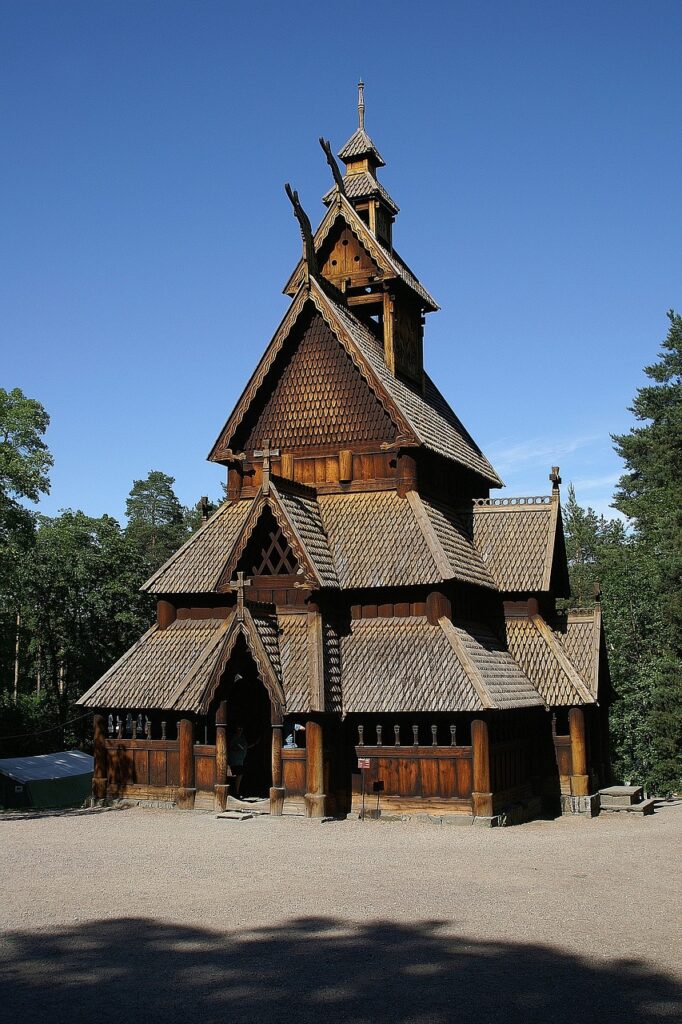
Norsk Folkemuseum (Norwegian Museum of Cultural History) — Museumsveien 10, Bygdøy: vernacular architecture in the open air
The Norsk Folkemuseum, often called the Norwegian Museum of Cultural History, is located on the Bygdøy peninsula. Exact address: Norsk Folkemuseum, Museumsveien 10, 0287 Oslo. This open-air museum is one of the best places to study Norwegian vernacular architecture: farmhouses, barns, cottages, chapels and the famous Gol Stave Church (Gol stavkirke), a wooden church that was relocated to the museum for preservation. The collection illustrates traditional building techniques, regional variations and strategies for adapting to mountain and coastal climates.
Hours (high season — check before visiting): April–October 10:00–17:00; reduced winter hours (November–March generally 10:00–15:00). Indicative price: 150 NOK (around €13) for an adult; discounts for students and seniors, free for children. Combined tickets that include other Bygdøy museums are often available.
What draws architects and designers in particular is the wealth of timber construction techniques, the variety of roofs (tiles, turf, sod), the use of joinery without nails in some traditions, and the interior arrangements of rural homes. The museum also documents the processes of dismantling and reassembling historic buildings, which is illuminating for conservation and heritage interpretation practices.
Local tips: pair the Norsk Folkemuseum with other Bygdøy attractions (Kon-Tiki Museum, Fram Museum) for a dedicated heritage day. Take the shuttle or ferry from Aker Brygge for a pleasant fjord crossing — the ride offers great views of Oslo’s coastal urbanism. Wear sturdy shoes: the site is large and often uneven underfoot. For deeper study, consult the museum archives and technical sheets on traditional carpentry and insulation that are available onsite.
DOGA — Norwegian Centre for Design and Architecture: Hausmanns gate 16, a contemporary design lab
DOGA (Design og arkitektur Norge) is a center dedicated to promoting design and architecture in Norway. Exact address: DOGA – Norwegian Centre for Design and Architecture, Hausmanns gate 16, 0182 Oslo. Located in the heart of the city, DOGA occupies a carefully arranged space for temporary exhibitions, conferences, workshops and professional events. It’s a critical forum where current issues in urban design, sustainable development and architectural innovation — locally and globally — are debated.
Hours: generally Tue–Fri 10:00–16:00, Sat 11:00–16:00; closed or reduced hours on Sun and Mon depending on events. Entry: access to the building or permanent displays is often free, but temporary exhibitions and conferences may charge an entrance fee (variable, roughly 50–150 NOK, about €4–13). DOGA also runs educational programs and hands-on workshops, frequently in English.
Why go? DOGA is an excellent platform to catch current debates: material reuse, low-carbon architecture, collective housing policies, and inclusive design. Exhibitions are often interactive, featuring models, prototypes and case studies from Norway and abroad. The center also publishes reports and practical guides (often downloadable) that are invaluable if you want to dig into topics like timber construction, passive techniques or resilient urbanism in the Scandinavian context.
Practical tips: check the events calendar before you visit — DOGA frequently hosts free talks and openings where you can meet local professionals. The shop offers a curated selection of publications on Scandinavian architecture and design. If you’re a student or working in the field, look for « open studio » events and « talks » that are great networking opportunities and can lead to access to technical resources.
Astrup Fearnley Museum and Tjuvholmen — Strandpromenaden 2: contemporary art in an architectural setting
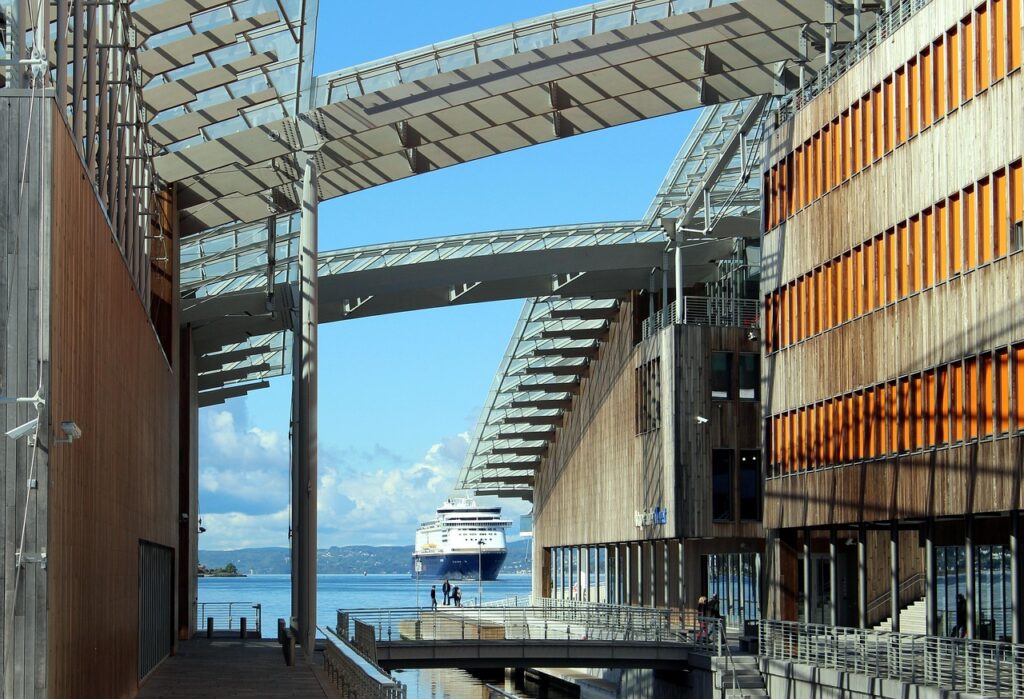
The Astrup Fearnley Museum of Modern Art is a striking example of how a museum building can itself become part of the exhibition. Exact address: Astrup Fearnley Museet, Strandpromenaden 2, 0252 Oslo, on the modern Tjuvholmen peninsula. The privately funded building, designed by Renzo Piano, is a contemporary intervention on the waterfront: elongated volumes, large windows, and a direct dialogue between interior space and the fjord and redeveloped docks.
Hours (typically): Tue–Sun 11:00–17:00, Thu 11:00–20:00; closed on Mondays. Indicative price: 160 NOK (about €14) for an adult; reduced rates for students and seniors. The museum houses a significant private collection of international and Norwegian contemporary art and hosts ambitious temporary exhibitions that probe the relationships between art, architecture and society.
For architecture enthusiasts, the visit is twofold: analyze Renzo Piano’s building (light structures, transparency, the relationship to the maritime landscape) and observe the recent urbanization of Tjuvholmen — a regeneration project mixing public space, promenades, housing and galleries. The waterfront walk offers excellent views of the Oslo Opera House and the city skyline, helping you understand the contrast between the old industrial port and the new design-led neighborhood.
Tips: combine the museum with a stroll along Aker Brygge and the coastal path to Sørenga to see other examples of urban redevelopment. The museum café has a terrace overlooking the fjord — perfect for studying the museum’s massing and the interior/exterior relationship. Check the public programs — architect talks and panel discussions are regularly scheduled.
Other addresses and useful resources for architecture enthusiasts
Beyond the institutions described above, Oslo has several other relevant resources and places to deepen your reading of the city. Here’s a curated list of additional addresses, each with practical info and reasons to visit:
- Oslo School of Architecture and Design (AHO) — Maridalsveien 29, 0175 Oslo. A leading architecture school that regularly hosts student exhibitions, lectures and workshops. Student shows are often free; check for open days and public talks.
- Kulturhistorisk Museum (Museum of Cultural History) — Frederiks gate 2, 0164 Oslo (on the university campus). This museum displays objects and architecture tied to Norway’s cultural history — useful for contextualizing historical architecture.
- Bygdøy Museums cluster — groups the Norsk Folkemuseum, Fram Museum (Frammuseet), Kon-Tiki Museum (Kon-Tiki Museet) and others, all accessible from the Aker Brygge pier. Ideal for a half-day themed visit.
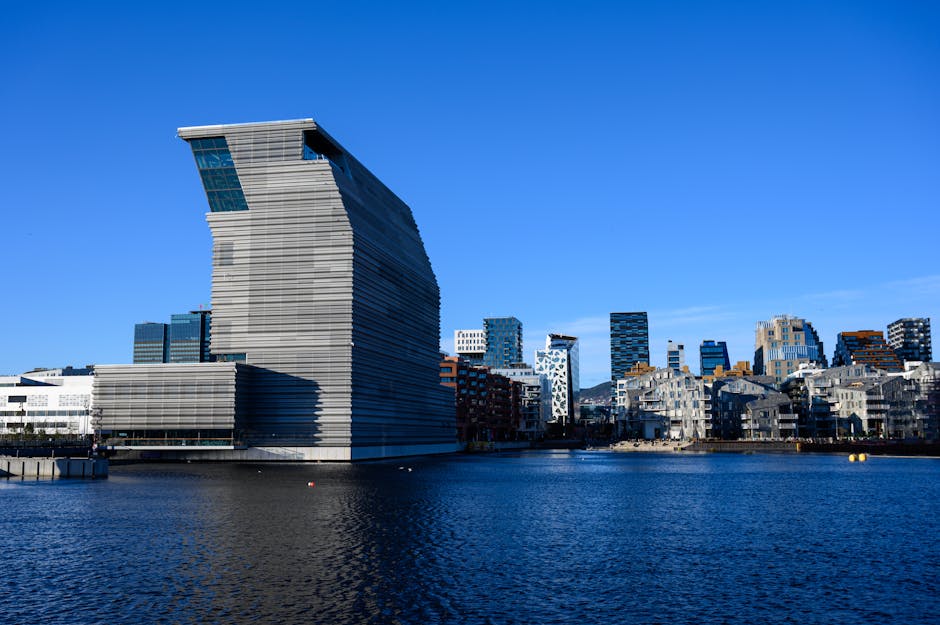
- Architectural walks — opt for guided or self-guided walking routes: Oslo Opera House (Kirsten Flagstad plass 1), Barcode (modern quarter in Bjørvika), Sørenga and the new waterfront developments. These aren’t museums but offer permanent « urban exhibitions » on contemporary design and planning.
- Specialist bookshops — the Nasjonalmuseet shop and other architecture-focused stores stock catalogues, journals and monographs essential for deeper study (most titles in English and Norwegian).
Practical tips for combining visits: if you’re short on time, do a Bygdøy + Aker Brygge/Tjuvholmen loop in one day: take the morning ferry to Bygdøy (Norsk Folkemuseum), return to the center for lunch, and visit the Astrup Fearnley in the afternoon. Otherwise, reserve a half-day for the Nasjonalmuseet — the breadth of its collections really deserves time. And always check museum websites for temporary exhibitions and to buy tickets in advance — it often saves you time in queues, especially in summer.
Conclusion: sharpen your eye and keep exploring
Oslo reads like an open-air architecture book, and its museums are some of its most crafted pages. Whether it’s the Nasjonalmuseet bringing collections, archives and curatorial debate together; the Norsk Folkemuseum revealing vernacular techniques outdoors; DOGA questioning the future of design and architecture; or the Astrup Fearnley proving that a museum’s building can be an artwork itself — every visitor will find material for reflection and delight.
For a successful itinerary, here are a few practical takeaways: check opening times and buy tickets in advance for major shows; favor mornings to avoid crowds and get better light; combine museums with waterfront walks (Aker Brygge, Tjuvholmen, Barcode) to see how new projects interweave with the old fabric; and explore museum bookshops and online resources to continue learning after your visit.
Finally, remember that architecture is also perceived through the city’s rhythm: take time to observe details — material junctions, textures, window proportions, framed views — and consider the solutions chosen for a northern climate (insulation, roof types, timber). Whether you’re a professional, student or simply passionate, Oslo offers a living, varied laboratory where history, heritage and contemporary design meet and respond to one another. Safe travels and enjoy your architectural discoveries!