





Introduction — Why understanding Oslo’s Ruter network matters
The Ruter network is the public transport system that makes daily travel around Norway’s capital and its metropolitan area possible. Knowing Ruter isn’t just about recognizing metro (T-bane), tram, bus and ferry lines: it’s about understanding fares, peak hours, the best apps to use, key interchange points, and local tips to save time and money. For a visitor or a newcomer, getting comfortable with Ruter transforms potentially stressful trips into smooth, efficient strolls through Oslo.
This guide lays out the 10 essentials to help you use Ruter like a pro. It’s aimed at English-speaking travelers who want practical, verifiable information: full place names, exact addresses, typical schedules, indicative prices in euros, immersive descriptions of stations and connections, plus local tips to avoid common mistakes. Rather than a dry directory, each section dives into a specific topic: buying tickets, validation, cards and subscriptions, transfers between modes (metro, tram, bus, ferry), information points, safety, service hours, and seasonal quirks — like checking ferry services to Bygdøy and Nesodden in summer.
Oslo stands out for its compact city center, where walking and public transport complement each other. In neighborhoods like Aker Brygge, Grünerløkka or Majorstuen, stops are close together and frequencies are high. To get around efficiently, though, you’ll need to know the fare zones, install and master the RuterReise app, and understand how contactless cards and validations work. We’ll include concrete addresses — for example: Oslo Sentralstasjon (Jernbanetorget 1, 0154 Oslo) and Oslo Bussterminal (Biskop Gunnerus gate 14, 0106 Oslo) — and typical schedules so you can plan trips without surprises.
Finally, the Ruter experience improves with a few small considerations: avoid boarding a packed metro at peak time, buy certain tickets in advance if you’re traveling in a group, or choose the ferry to enjoy fjord views. This guide also includes visual cues (image markers) to help you recognize sites and stations. Follow along: in 10 clear, numbered steps you’ll be able to use Ruter confidently, whether you’re a short-stay visitor or a new resident.
1. Getting oriented: Ruter transport modes — T-bane, tram, bus, ferry
Ruter combines four main modes: the T-bane (metro), the tram, buses (urban and regional) and ferries (notably to Bygdøy and Nesodden). Each mode has its own codes, frequencies and stops. The T-bane has six lines numbered 1 to 6 that converge on the city center (Oslo S / Jernbanetorget). Metros typically run between 05:00 and 01:00 on weekdays, with tighter intervals during peak hours (every 5–10 minutes). In the evenings, frequency can drop to 15–20 minutes.
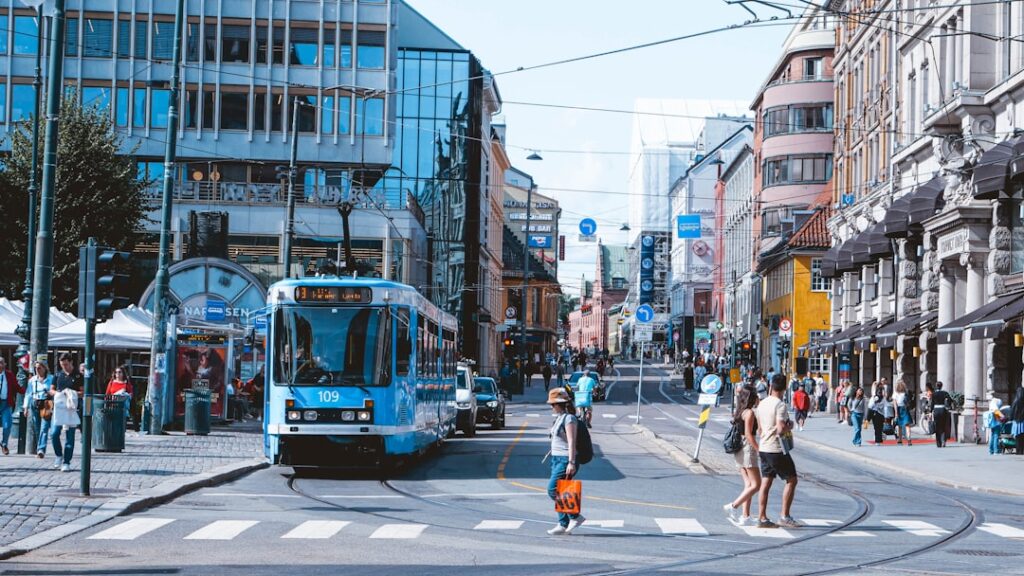
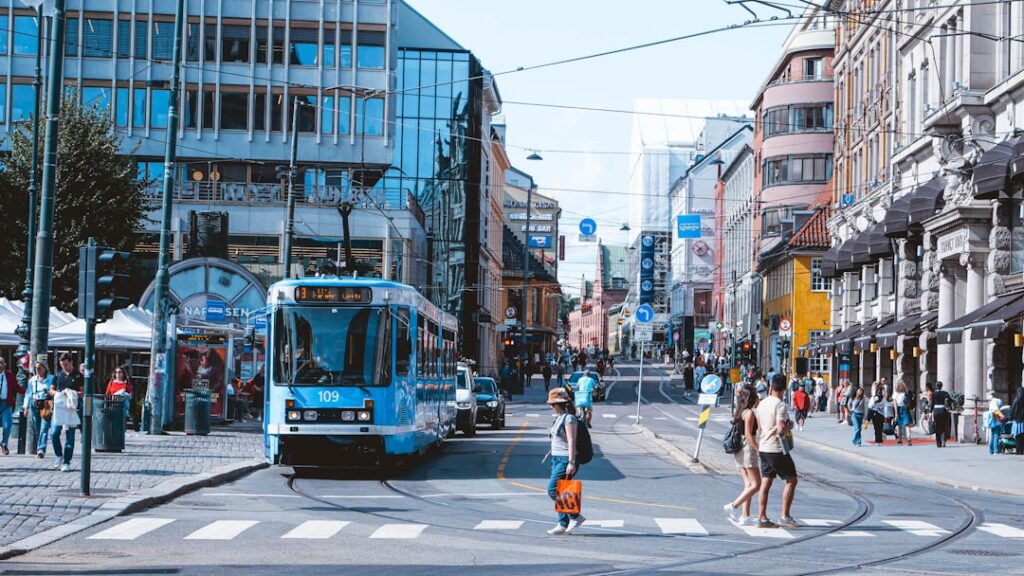
The tram serves central and residential neighborhoods (for example routes to Majorstuen and along Karl Johans gate). Trams are frequent, often every 6–12 minutes during the day. Urban buses fill in areas not covered by rail, and some regional buses go beyond Oslo (Bærum, Lillestrøm, Nesodden). Ruter ferries departing from the center (Kontraskjæret, near Akershus Fortress, 0015 Oslo) provide both practical connections and scenic fjord rides.
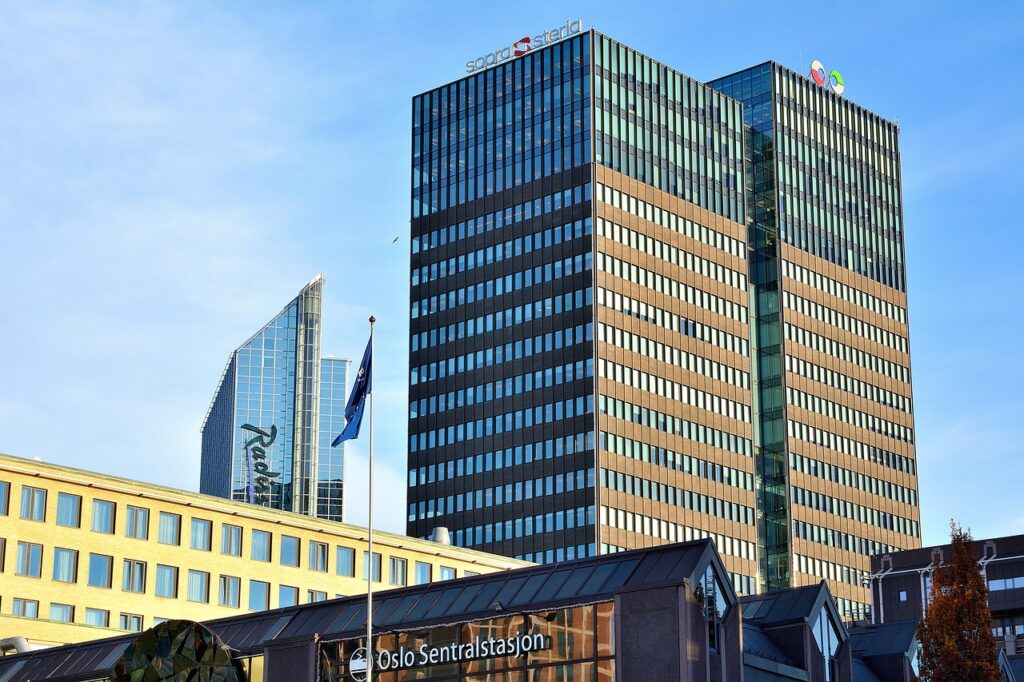
- Oslo Sentralstasjon (Oslo S) — Jernbanetorget 1, 0154 Oslo: the main interchange between T-bane, tram and regional trains.
- Majorstuen — a major tram/T-bane interchange, perfect for getting to Frogner and Vigeland Park.
- Kontraskjæret Pier — Akershus Fortress, 0015 Oslo: departure point for ferries to Bygdøy.
Local tip: to avoid crowds, plan your travel outside the 07:30–09:00 and 15:30–17:30 weekday peaks. For very short trips (2–3 stops), the tram can sometimes be quicker than the metro because of transfer times and stairs. Also watch for green signs with the Ruter logo — they mark stops and local maps.
2. Fares and validation: tickets, cards and prices
Ruter’s fare system is zone-based. For most journeys within Oslo, a single ticket for Zone 1 is enough. Here are the most common options and approximate prices in euros (indicative conversion; fares may change):
- Single ticket (Zone 1): about €4.00 (≈ 44 NOK). Valid for 1 hour after validation and allows unlimited transfers within that time window.
- 24-hour ticket: about €10.00 (≈ 110 NOK). Handy for intensive sightseeing days.
- 7-day ticket: about €32.00 (≈ 350 NOK). Cost-effective if you’re staying a week and using Ruter frequently.
- Children: free up to 6 years; discounts for ages 7–17 with a school ID.
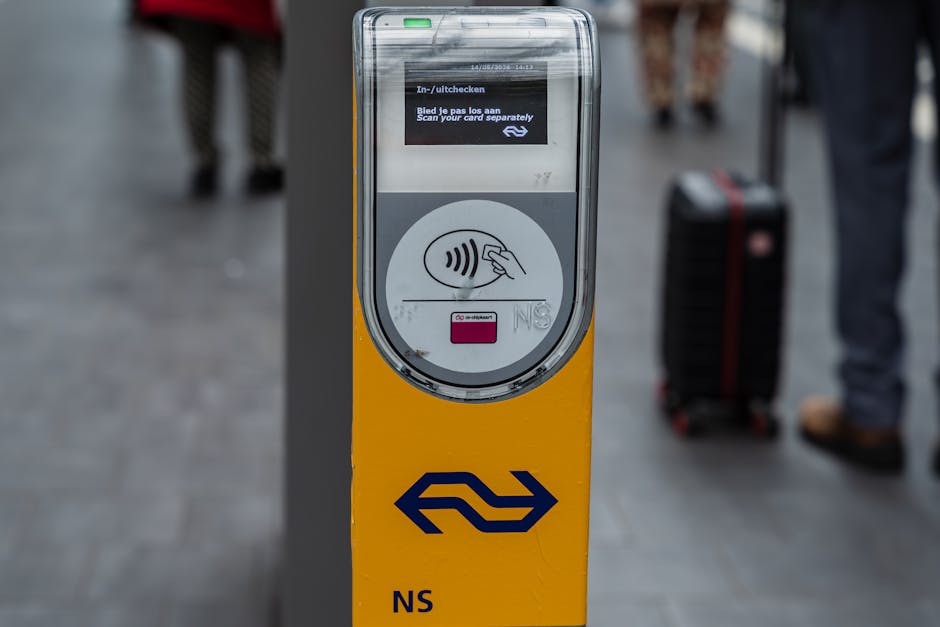
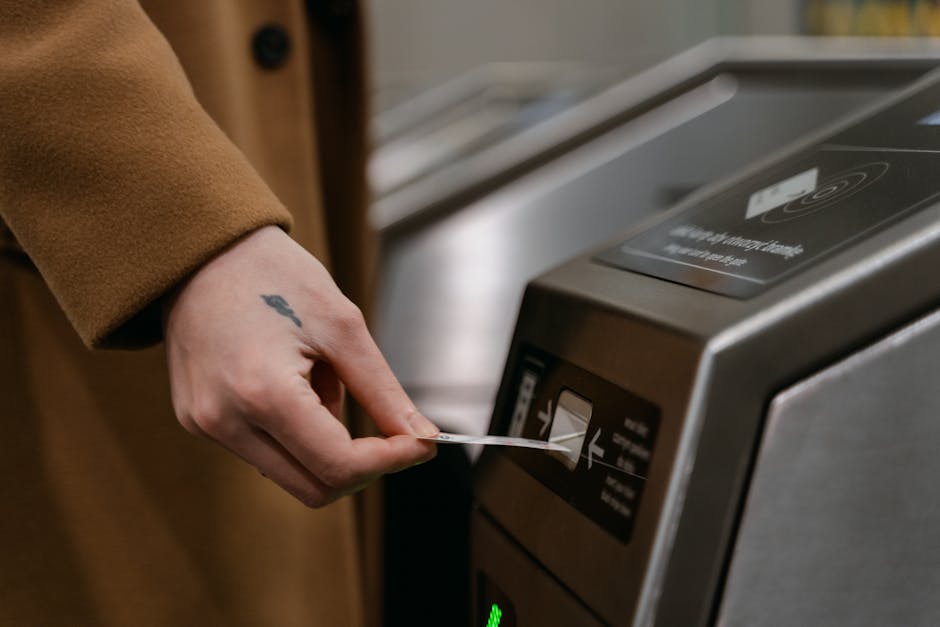
Validation: you must buy and validate your ticket before or at the moment you board. The RuterReise app (iOS/Android) lets you buy electronic tickets instantly. Paper tickets can be bought at ticket machines in metro stations or at 7-Eleven and Narvesen kiosks. Validation is done via QR scan or contactless terminal, depending on the ticket type. Inspections are common and fines are steep: expect a penalty if you travel without a valid ticket.
Practical tip: if you plan to take the tourist ferry and visit the museums on the Bygdøy peninsula on the same day, a 24-hour ticket is often more economical and spares you the hassle of multiple purchases. For trips to Oslo Airport (note: Flytoget is not run by Ruter — be careful), check whether you prefer the regional Vy trains or the Flytoget (airport express); they have separate fares.
3. Apps and digital tools: RuterReise, maps and alternatives
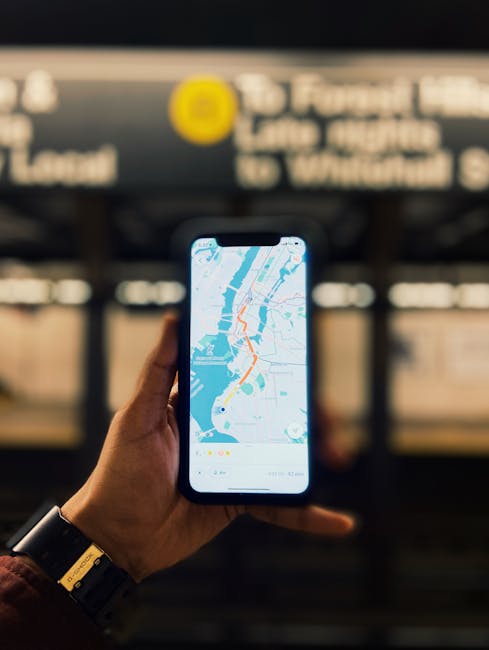
The must-have tool today is the official RuterReise app (iOS & Android). It lets you plan routes, buy tickets, see real-time arrivals and get disruption alerts. Install the app before you arrive to avoid mobile data issues and link an international card (Visa/Mastercard) for instant purchases.
Key features:
- Route planning: enter your origin and destination to get multimodal options (metro + tram + ferry).
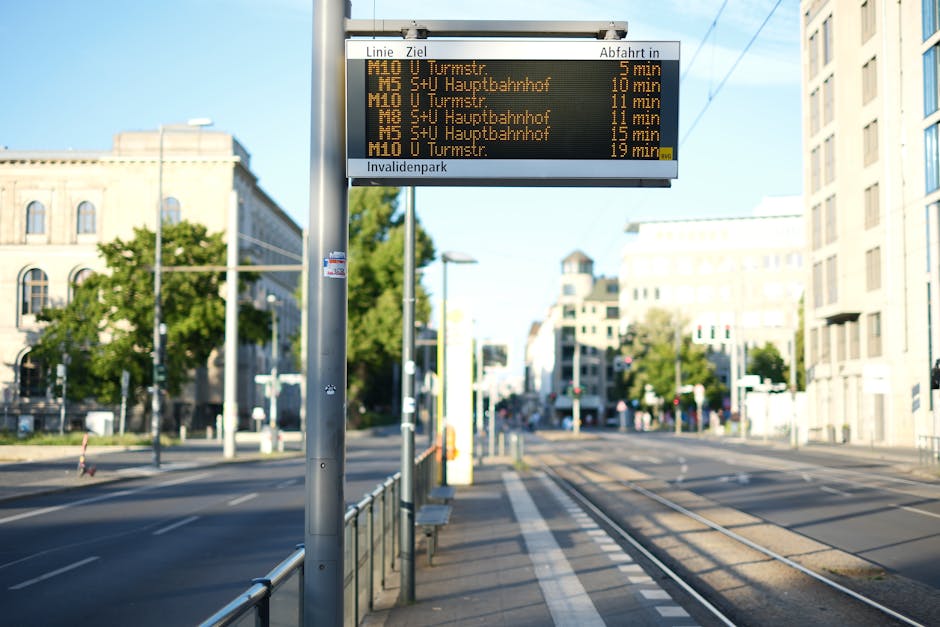
- Real-time info: shows minutes until the next tram or bus at a stop.
- Ticket purchase and storage: tickets remain visible offline after download.
- Alerts: notifications about works and service interruptions.
Alternatives: Google Maps and Apple Maps also include Oslo public transport timetables, but to buy a ticket you’ll be redirected to RuterReise. For visitors without a smartphone, note that station machines accept cards but rarely cash.
Local tip: enable disruption notifications and download the offline Oslo map in the app. If you’re traveling as a group, look into group tickets (available for some journeys) or check discounts for students and seniors.
4. Key connections and hubs: where to change easily
Knowing where and how to transfer will save you time. Here are the main hubs:
- Oslo Sentralstasjon (Jernbanetorget 1, 0154 Oslo) — the nerve center: interchanges between T-bane, tram, regional trains and buses. Signage is abundant and multilingual.
- Nationaltheatret (Johanne Dybwads plass 1, 0161 Oslo) — connection point for several metro lines and local trains; a stylish underground station close to Karl Johans gate.
- Majorstuen (Majorstuveien area) — important for heading to western neighborhoods and Vigeland Park.
- Jernbanetorget / Stortorget — a very busy area, ideal for catching a ferry from the harbour promenade.
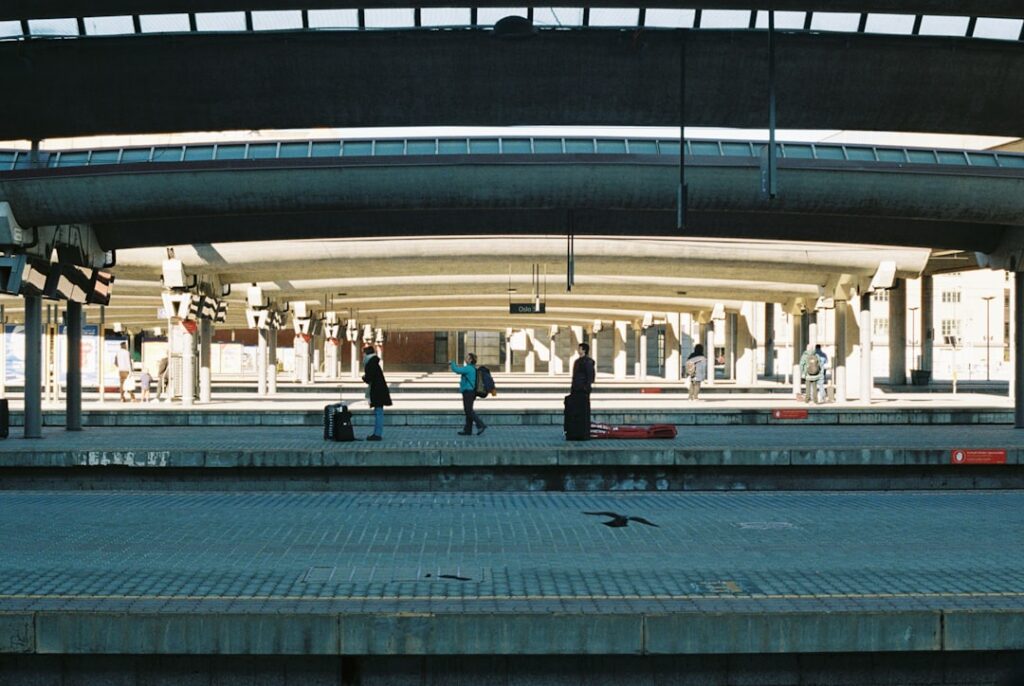
Visual cues: Oslo Sentralstasjon is a large modern hall with clearly numbered platforms; follow signs for “T-bane” or “Trikk” for the tram. Nationaltheatret is more compact but has exits directly onto the shopping avenue. Majorstuen gets crowded on Saturdays because of shops and the local market.
Local tip: if you’re transferring between regional train and metro at Oslo S, allow 8–12 minutes for the connection if you have luggage. Escalators and lifts are available but can be busy at peak times. For a stress-free airport transfer (train + metro), always allow extra time for luggage handling at stations.
5. Schedules and frequencies: reading timetables like a local
Knowing the general service windows will stop you waiting unnecessarily. Typical hours:
- T-bane (metro): roughly 05:00–01:00 on weekdays. Frequencies: 5–10 min during the day, 10–20 min in the evening.
- Tram: about 05:00–24:00 for most lines; 6–12 min during the day.
- Urban bus: 05:00–00:30, some lines operate 24h (night lines on weekends).
- Ferry to Bygdøy: usually 09:00–18:00 with variable frequency (every 20–60 minutes depending on the season).
Night services (night buses) are more limited and focused along major corridors. In winter, maintenance schedules and weather conditions can increase travel times — Ruter posts regular updates in the app. On public holidays (Christmas, May 17 — the national day), expect altered timetables and high demand on certain tourist routes.
Practical tip: check departure times in real-time via RuterReise and arrive 2–3 minutes early to avoid missing your vehicle. If you travel very early (before 06:00) or late (after 23:00), check night bus availability or consider a taxi.
6. Special tickets and passes: when to save
For longer stays, subscriptions can cut costs significantly. Common options:
- Monthly pass Zone 1: about €88.00 (≈ 950 NOK). Worth it if you make more than 30 trips in 30 days.
- Annual pass: discounted rates available on request, often attractive for residents.
- Student and senior passes: discounts available with valid ID.
Purchase: passes are available via the Ruter website, the app or Ruter customer counters. Some combined tickets (train + metro) exist for travelers who regularly leave Oslo. If you plan day trips outside Oslo (e.g. to Lillehammer or Bergen), check Vy tickets for long-distance trains — those are not covered by Ruter.
Local tip: for visitors staying 3–7 days and doing a lot of sightseeing (museums, cruises, restaurants), compare the cost of activating a 24h/48h pass each morning with a weekly pass. Sometimes activating a daily 24h pass each morning is more flexible.
7. Accessibility and services for travelers with reduced mobility
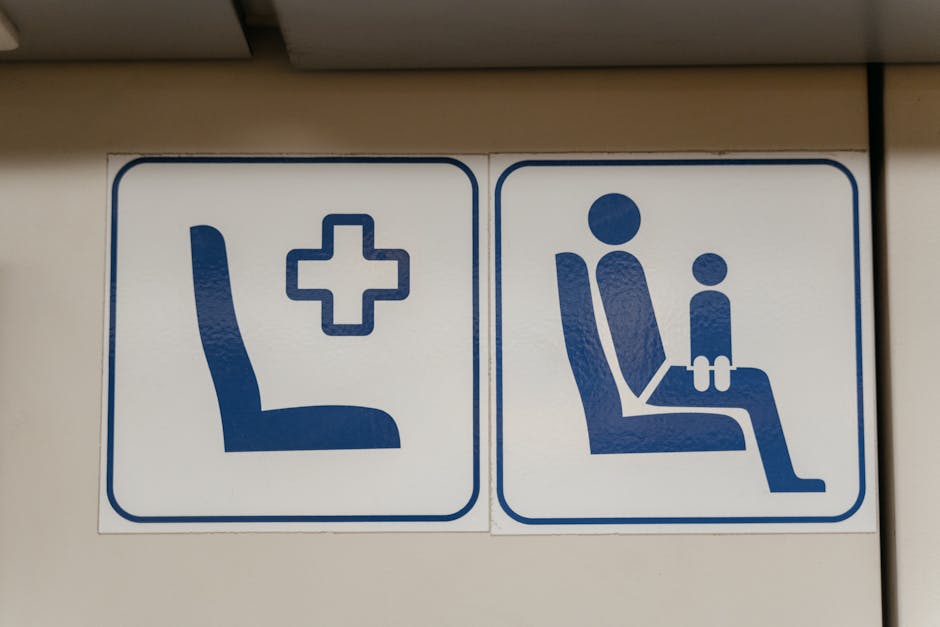
Ruter aims to provide an accessible network: most T-bane stations have lifts, and modern trams are low-floor to ease boarding. Note, however, that some older stations or small neighborhood stops may have stairs without elevators.
Available services:
- Reserved spaces for people with reduced mobility on trams and buses.
- Elevators at major stations: Oslo Sentralstasjon (Jernbanetorget 1, 0154 Oslo), Nationaltheatret (Johanne Dybwads plass 1, 0161 Oslo).
- Assistance on request: contact Ruter’s kundeservice (customer service) for specific help during your journey.
Practical tip: if you need an elevator or assistance, allow extra time and contact Ruter customer service in advance. For families with strollers, modern trams and buses are generally stroller-friendly, but during peak times it can be tricky to board with a large pram.
8. Safety, rules and onboard etiquette
Norway is generally very safe, and Ruter transport is no exception. Still, follow a few simple rules: keep your validated ticket until you exit, avoid blocking doors, let passengers get off before you board, and give up seats to elderly passengers, pregnant people and those with strollers.
Rules and fines:
- Random ticket inspections: traveling without a valid ticket can result in a large fine (often over €100 depending on the case).
- Alcohol consumption is prohibited on Ruter vehicles.
- Smoking is strictly banned inside vehicles and in covered stop areas.
Local tip: always keep proof of your ticket handy (phone screen or paper ticket) as inspectors commonly ask to see it. If you lose your ticket or have payment issues, go to a Ruter counter to resolve the situation quickly.
9. Tourist connections and how to fit them into the network
Ruter makes it easy to reach Oslo’s main sights. Practical examples:
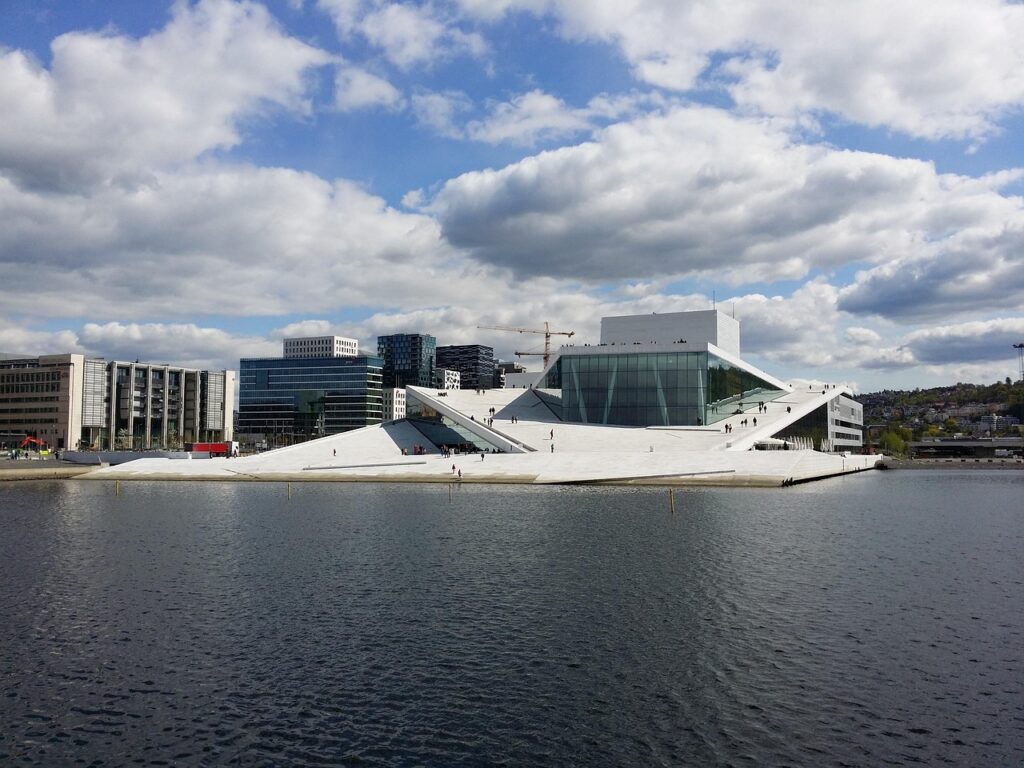
- Oslo Opera House (Operahuset) — Address: Kirsten Flagstads Plass 1, 0150 Oslo. Accessible by tram or a 10–15 minute walk from Oslo S.
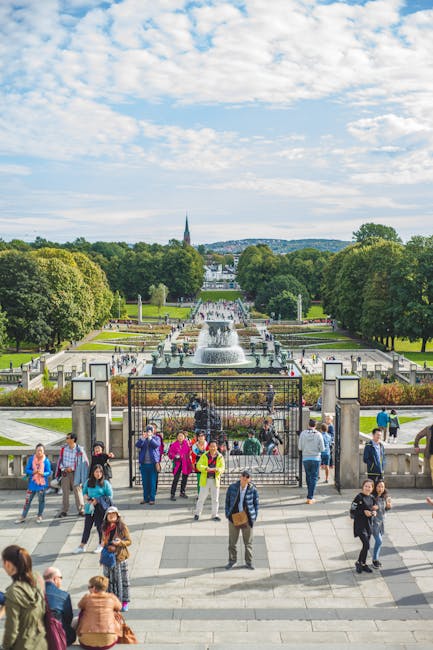
- Vigeland Park (Vigelandsparken) — Address: Nobels gate 32, 0268 Oslo. Take Majorstuen then walk 10–15 minutes.
- Bygdøy Museums (Norwegian Folk Museum, Viking Ship Museum) — ferry from Kontraskjæret Pier, Akershus Fortress, 0015 Oslo.
Tip: combine the Bygdøy ferry (great fjord scenery) with museum visits — a 24h ticket usually covers this route if you stay within Oslo zones. For architecture lovers, the tram ride to Majorstuen gives views of typical Scandinavian residential neighborhoods and local shops.
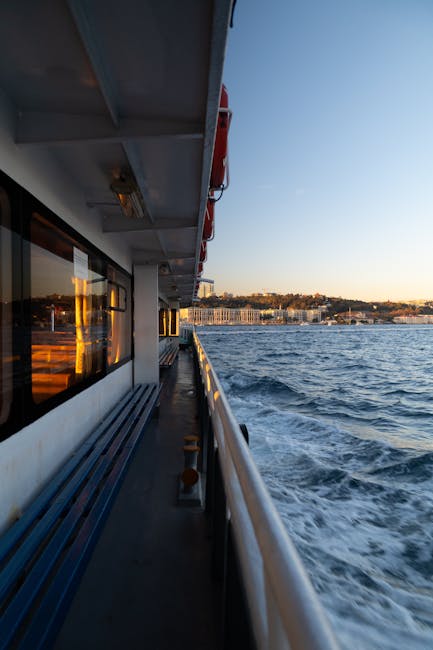
Local tip: book museum tickets in advance in high season (June–August) and prefer mornings to avoid coach groups. The ferry is part of the experience — stand on deck for the best views.

10. Final tips and mistakes to avoid
Some concrete recommendations to optimize your travel:
- Never board without a validated ticket — inspections are frequent and fines are high.
- Download RuterReise and enable disruption notifications.
- Allow extra time for transfers when you have luggage or are traveling in the evening.
- Take the ferry for the experience — moderate cost and stunning fjord views.
- If you’re staying long-term, calculate whether a weekly or monthly pass is more economical.
Common mistakes to avoid: confusing Flytoget (airport express) with Vy/Ruter trains; assuming all buses are covered by the same ticket (some regional services require a separate ticket); and not checking for timetable changes on Norwegian public holidays.
Final local tip: ask drivers or ticket staff if you’re unsure — most speak English and are used to helping visitors. Above all, enjoy the calm and cleanliness of Oslo’s transport: it’s a city where travel is pleasant if you follow a few basic rules.
Useful resources
- Official Ruter website: https://ruter.no (timetables, maps, subscriptions)
- App: RuterReise (iOS & Android)
- Main station: Oslo Sentralstasjon — Jernbanetorget 1, 0154 Oslo
- Bus terminal: Oslo Bussterminal — Biskop Gunnerus gate 14, 0106 Oslo
Conclusion — Mastering Ruter to fully enjoy Oslo
Learning to use the Ruter network is a crucial step to discovering Oslo. This 10-point guide has given you the essentials: understanding the modes (T-bane, tram, bus, ferry), fares and ticket validation, using the RuterReise app, major interchange hubs, schedules, passes, accessibility, safety rules, integrating tourist connections and practical tips. Together these elements form a toolkit that reduces uncertainty and makes getting around the Norwegian capital more enjoyable.
In practice, a little preparation (app installed, ticket purchased if needed) combined with attention on the ground (signs, real-time departures) will usually be enough for calm travel. Ruter has simplified everyday life for residents and visitors with clear digital interfaces and a structured network. Still, flexibility is key: allow time for transfers, adapt to seasonal changes, and take the ferries to turn a simple commute into a memorable outing.
Finally, remember that the best understanding comes from experience: take a few local rides off the tourist routes to gauge real frequencies, try different lines and feel the city through its transport. Tram rides give a neighborhood snapshot, ferries offer fjord panoramas, and the metro will save you time to reach the outskirts. With these 10 essentials, you’re now set to navigate Ruter like a local: smart, economical and relaxed.