





Introduction
Discovering Oslo for free is not only possible, it’s one of the best ways to get under the skin of Norway’s capital without breaking the bank. Oslo, a waterfront city tucked between a fjord and wooded hills, offers an unexpectedly rich array of no-ticket-required attractions: monumental parks, seaside promenades, skyline viewpoints, artistic neighborhoods and historic sites open to the public. For budget-conscious travelers, every street corner becomes an opportunity to explore. This guide gives you exact addresses, practical opening times, immersive descriptions and local tips so you can make the most of these free spaces.
This guide highlights ten unmissable places you can see without spending a cent. Each entry includes the exact address, typical opening hours (when applicable), the price clearly marked (€0), a detailed description to help you picture the experience on site, and practical tips to optimize your visit: best time of day, recommended transport, what to photograph, which areas to avoid at peak times, and how to combine several stops into a smooth, enjoyable day.
Oslo is easy to explore on foot, by bike or using public transit. The city is compact: from the elegant Karl Johans Gate to the monumental calm of Vigeland Park, via the lively quays of Aker Brygge and the Ekeberg hills with spectacular fjord views, everything is set up to be accessible. Many museums and outdoor sites also have public spaces or viewpoints that let you appreciate architecture, art and the urban landscape for free. Locals, often happy to share their favorite spots, make the experience even more authentic if you take a moment to chat over a coffee outside or on a park bench.
This guide was written with French-speaking visitors to Oslo in mind, but the addresses and tips are universal: you’ll find immediately usable info — where to stand for the best photo, how to avoid weekend crowds, which coastal paths are the most scenic, and how to link several sites in one day. Note that schedules can change with the seasons; I’ve listed typical hours and best practices to check official sources if you’re unsure. Pack your camera, a comfy pair of shoes and a warm jacket if you’re visiting outside summer: Oslo often reveals even more charm when it’s crisp and clear.
1. Vigeland Park (Vigelandsparken) — Nobels gate 32, 0268 Oslo
Price: €0 — free entry year-round.
Opening hours: Park accessible 24/7. The Vigeland Museum has separate paid hours; check before you visit.
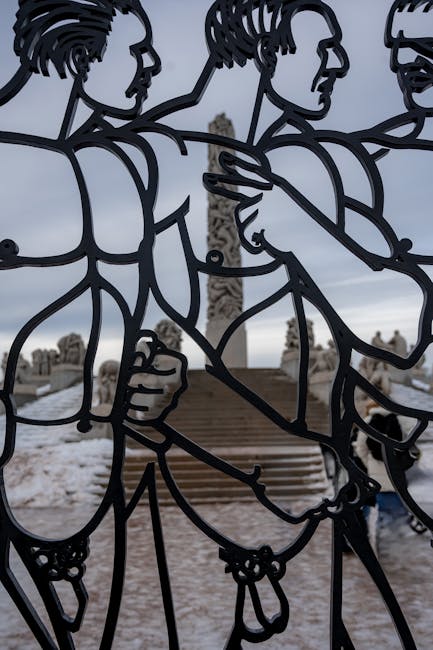
Vigeland Park, in the heart of Frogner, is the world’s largest sculpture park created by a single artist: Gustav Vigeland. The park spreads across more than 80 hectares with lawns, tree-lined paths, fountains and over 200 sculptures in bronze, granite and cast iron. The central promenade, dominated by the Monolith (a 17-meter column carved from a single block of granite), is a powerful visual spectacle — human figures intertwined, caught in motion, expressing universal life cycles.
Local tips: arrive early to beat the tour buses and enjoy soft morning light for photos. Summer afternoons are perfect for a picnic on the grass near the fountain. Easy access from Majorstuen metro station (about a 10–15 minute walk). Take time to wander the side paths: shady benches offer quiet viewpoints. Respect the sculptures (don’t climb) and watch out for pickpockets during peak tourist periods.
2. Oslo Opera House (Oslo Opera House) — Kirsten Flagstads Plass 1, 0150 Oslo
Price: €0 to access the roof and outdoor areas.
Opening hours: Roof generally open from 06:00 to 22:00 (varies by season and events). Main entrances open according to performances (check the official site).
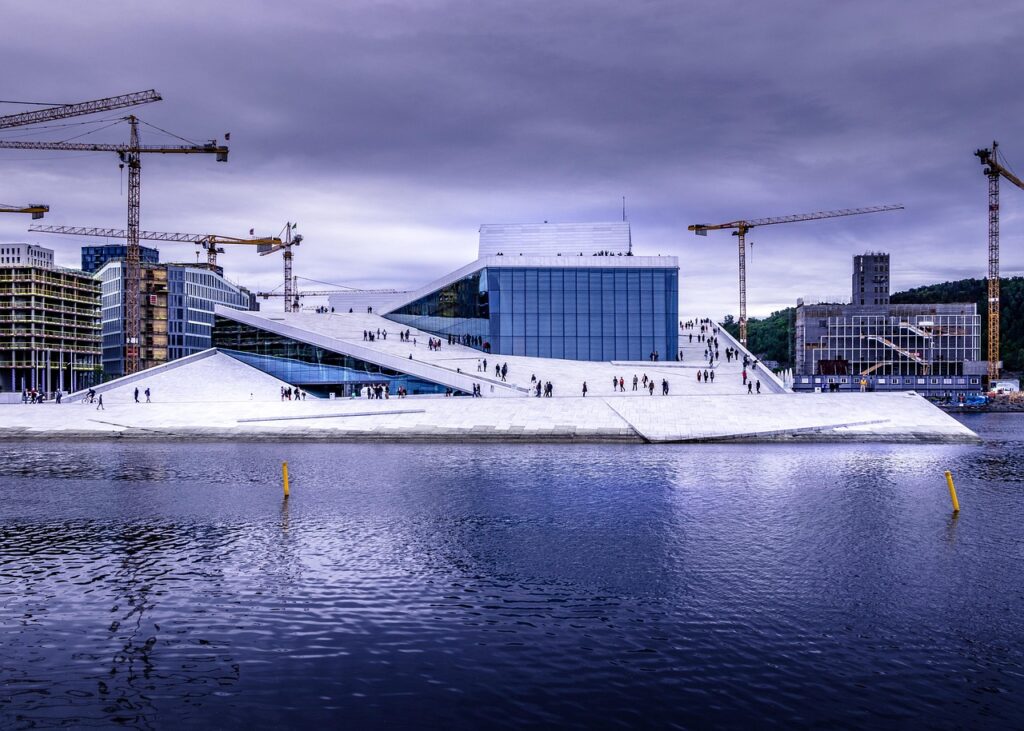
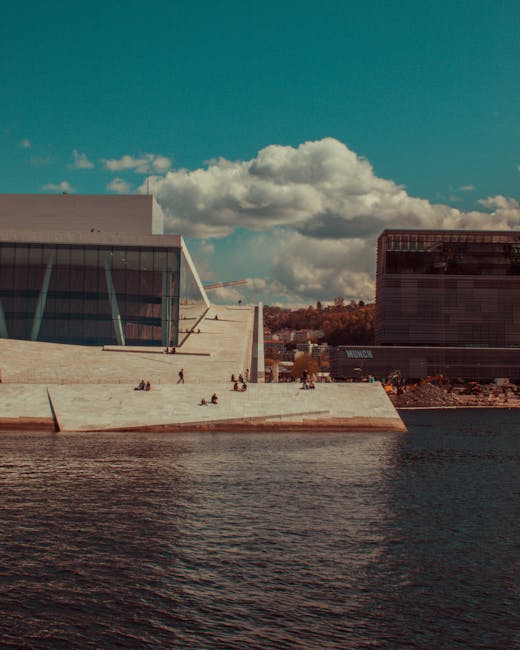
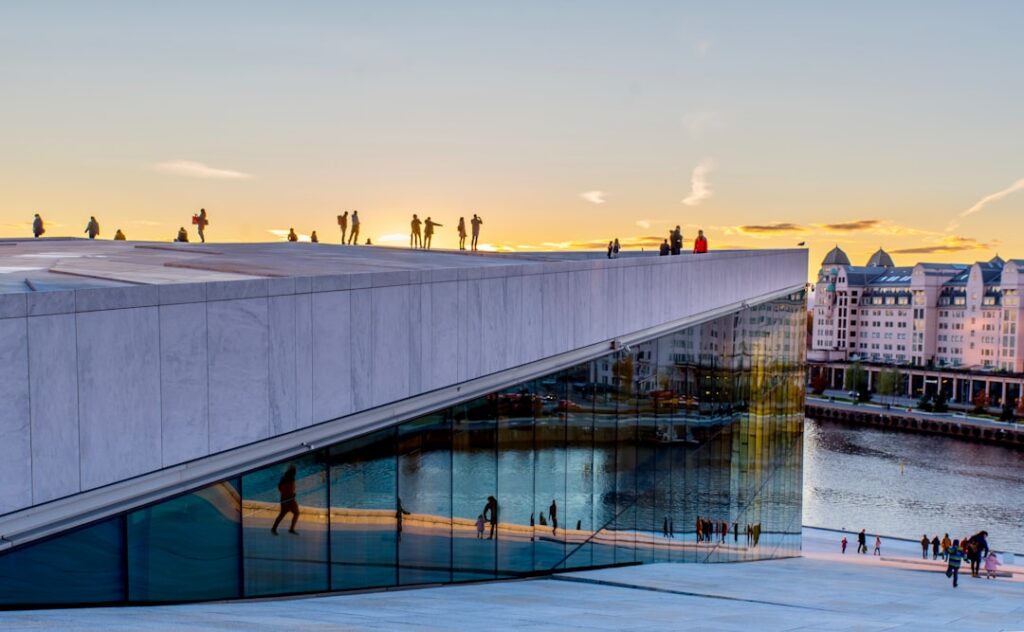
The Oslo Opera House, designed by Snøhetta, has quickly become an architectural icon. Its sloping white marble and granite roof serves as a public walkway offering stunning views of the harbor, boats and fjord. Walking up onto the roof is a unique visual experience — you’re literally elevated above the city and the sea.
Local tips: head up at sunset for golden light and reflections on the water, and use the south ramp for panoramic shots. The area around the Opera (Bjornvika) makes a great starting point for a stroll along the new east-west waterfront promenade. Avoid performance times if you want photos without crowds near the entrances. It’s a 10-minute walk from Oslo Central Station (Oslo S).
3. Aker Brygge and Tjuvholmen — Aker Brygge, Bryggegata, 0250 Oslo
Price: €0 to stroll the quays and promenade. Some private galleries and outdoor exhibitions are free.
Opening hours: Promenade accessible at all times; shops and restaurants operate on their own schedules (typically 10:00–22:00).
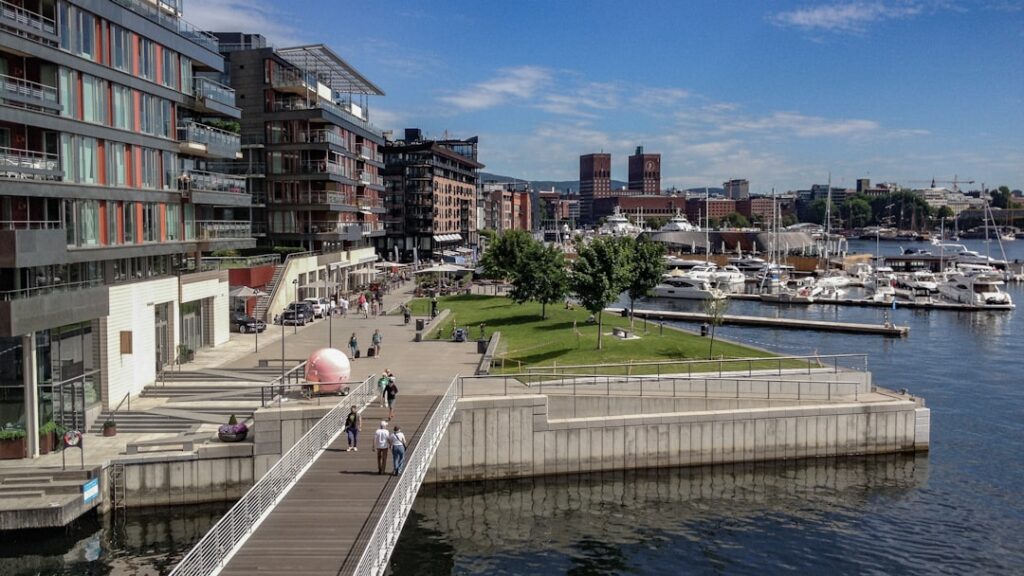
Aker Brygge and the neighboring Tjuvholmen peninsula offer a lively urban promenade: bustling quays, public contemporary sculptures, terraces, boats and lovely fjord views. Tjuvholmen has become a small contemporary art hub with galleries and the Astrup Fearnley Museum (paid), but the outdoor promenade and art installations on the pier remain free and highly photogenic.
Local tips: combine a stroll from Aker Brygge across the bridge to Tjuvholmen in the late afternoon to catch terrace activity. Spot the seaside artworks and small urban beaches. For a different perspective, cross the quay to hop on a ferry or sightseeing boat (paid) if your budget allows. It’s a short tram ride or a 20–25 minute walk from the central station.
4. Akershus Fortress (Akershus festning) — Akershus Festning, 0015 Oslo
Price: €0 for the exterior and ramparts; indoor museums are ticketed.
Opening hours: Generally open to the public 06:00–22:00 (varies by season and events). Check for official ceremonies and temporary restrictions.
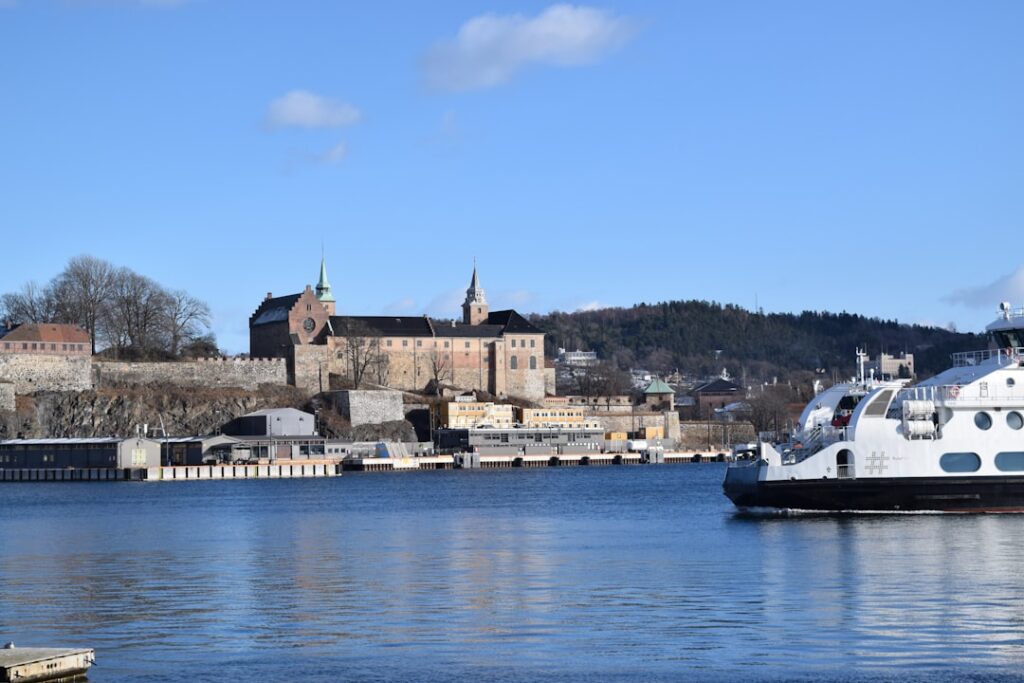
Akershus Fortress, dating back to the Middle Ages, overlooks Oslo’s harbor and blends military history, architecture and panoramic views of the fjord and city center. Walking along the ramparts and gardens is free and evocative: old cannons, walkways and viewpoints let you photograph Oslo’s rooftops and the ships in the harbor.
Local tips: sunrise and dusk provide beautiful light from the bastions. Visit outside weekends to avoid heavy tourist traffic. Easily reachable on foot from Aker Brygge and the historic center. If you want to dig deeper into history, the internal museums require a ticket; otherwise, enjoy the outdoor spaces and the waterfront promenade.
5. Karl Johans Gate and the Royal Palace (Det kongelige slott) — Karl Johans gate, 0154 Oslo / Slottsplassen 1, 0010 Oslo
Price: €0 to stroll Karl Johans Gate and the Royal Palace park. Guided interior tours of the Palace are ticketed in season.
Opening hours: Street and park accessible 24/7; the Palace gardens are usually open to the public during daytime (check seasonality).
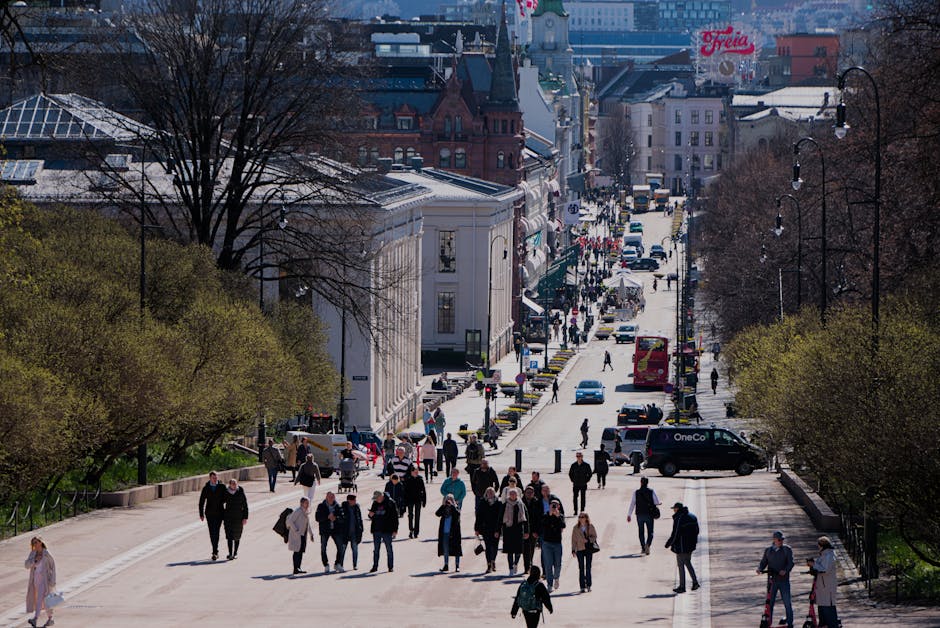
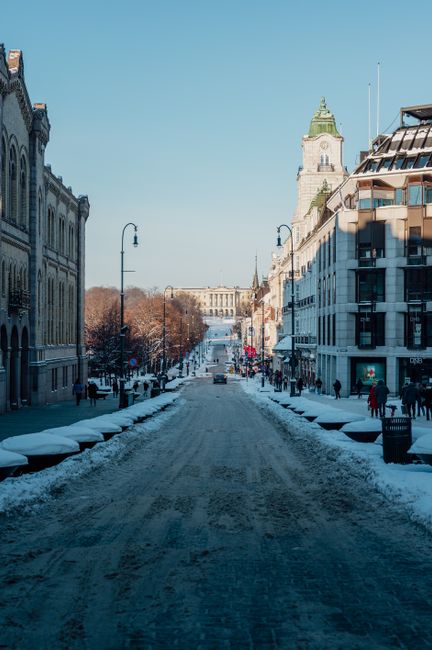
Karl Johans Gate is Oslo’s main avenue, linking the central station to the Royal Palace. Wandering along this street takes you past shopping districts, historic facades, cafés and churches. The Royal Palace sits atop a gentle hill and its park is a public green space where locals relax, walk their dogs or read on benches.
Local tips: walk the avenue from the station toward the palace for a gradual reveal. Don’t miss the guard changing if you’re there at the scheduled times (confirm dates/hours by season) — it’s often very photogenic. Cafés on Karl Johans Gate are convenient but touristy; for cheaper coffee, detour into side streets in Ila or Grønland. The palace gardens are perfect for a sunny picnic.
6. Ekebergparken Sculpture Park and Outdoor Museum — Kongsveien 23, 0193 Oslo
Price: €0 for the park and outdoor sculptures.
Opening hours: Park accessible 24/7; some installations and the bistro have separate hours.
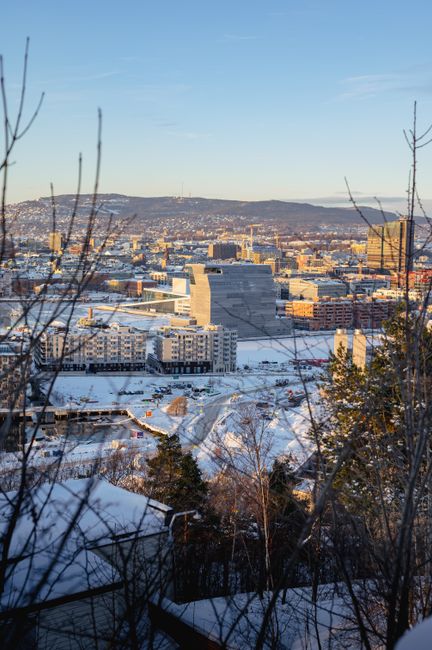
Ekebergparken combines nature, history and contemporary art on a hilltop overlooking Oslo and the fjord. The park features a sculpture trail set in woodland, with panoramic viewpoints offering wide views of the bay, the Opera House and the city center. Beyond the art, Ekeberg has a legendary past tied to myths and Viking stories, which you can sense in some of the interpretive elements on site.
Local tips: wear good shoes (paths can be steep). The viewpoint near the Ekebergrestauranten bistro is one of the best spots to photograph the Opera and the fjord. Visit at dusk for dramatic views of Oslo’s lights. The center-to-park trip is easy by tram (line towards Ekeberg). Bring a water bottle and take advantage of scattered benches for a contemplative pause.
7. Botanical Garden (Botanisk hage) — Sars’ gate 1, 0562 Oslo
Price: €0 for the outdoor garden; greenhouses and special exhibitions may be ticketed.
Opening hours: Generally open daily; hours vary by season (e.g. 07:00–20:00 in summer). Check the Natural History Museum site for exact times.
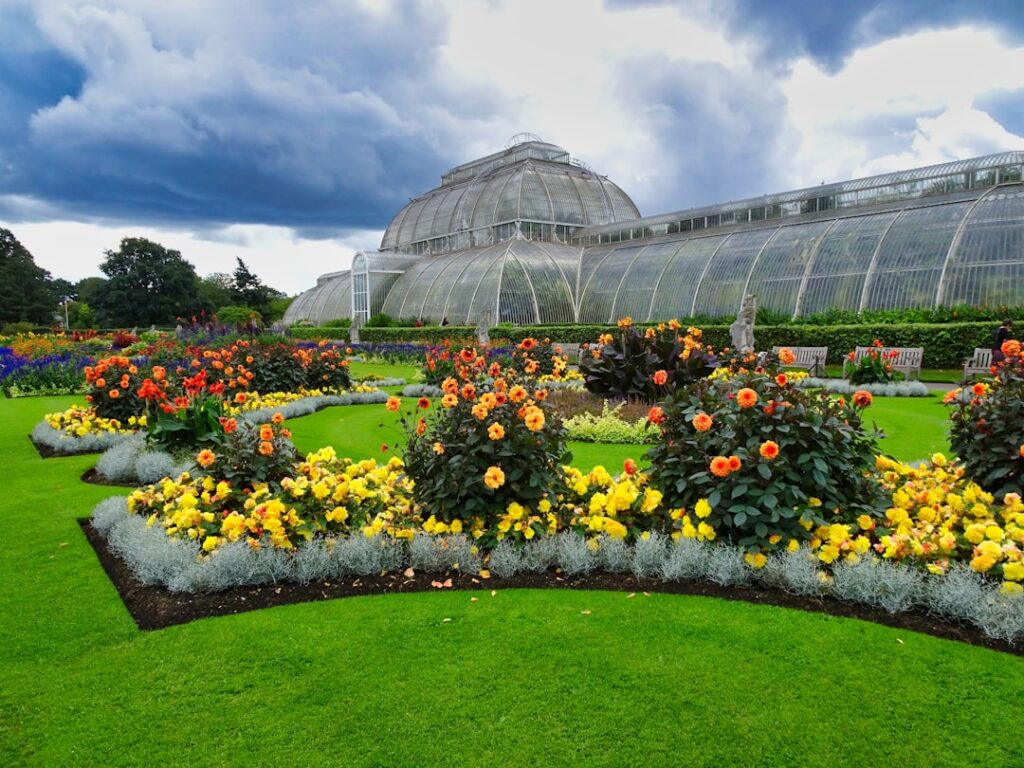
The University of Oslo Botanical Garden is a peaceful haven showcasing an impressive range of plant life organized by climate zones and themed collections. Well-tended paths, ponds and small greenhouses (access depending) make it an ideal spot for a meditative walk and to observe Nordic flora as well as species from around the world.
Local tips: visit in spring for a color explosion (tulips, azaleas) or in summer for peak blooms. The garden is also a research site, so respect signage and conservation areas. It’s a great family spot: lawns, observation zones and informative panels. Accessible by bus or tram from the city center, or about a 30-minute walk from Grünerløkka.
8. Grünerløkka — Oslo’s Artsy, Bohemian Quarter — Thorvald Meyers gate, 0555 Oslo
Price: €0 to wander and enjoy street art, markets and outdoor cafés.
Opening hours: Neighborhood accessible at all times; markets and shops follow their own schedules (most markets take place on weekends).
Grünerløkka, a former industrial area reinvented as a trendy neighborhood, is Oslo’s creative heart. Stroll along Thorvald Meyers gate, explore independent shops, admire wall-to-wall street art, and stop in one of the many cafés or microbreweries. Artisan and food markets (notably at Birkelunden on weekends) provide a taste of the local scene.
Local tips: hunt for murals and small galleries. Sunny afternoons fill the terraces — perfect for people-watching. For authentic photos, explore side streets and inner courtyards. The area is also great by bike; rent a city bike to cover more ground. Watch out for pickpockets in crowded event areas.
9. Huk Beach and Nearby Beaches (Bygdøy) — Huk, Hukodden, 0287 Oslo
Price: €0 for access to public beaches.
Opening hours: Beaches accessible 24/7; seasonal facilities (changing rooms, cafés) open in summer.
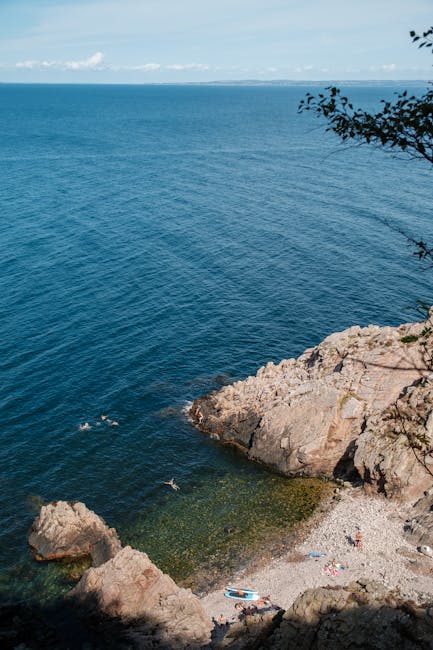
Bygdøy is known for its museums (often ticketed), but it also offers lovely public beaches like Huk, popular with locals. On warm days, the pebble shores and lawns invite swimming, sunbathing and picnicking. The setting is tranquil and often less crowded than urban beaches in other capitals.
Local tips: bring water shoes (pebbles) and a towel. Mid-afternoon in summer is prime time, though mornings offer calmer water and softer light. Combine a beach visit with a walk along Bygdøy’s pier for views of the city from the outer fjord. Reachable by bus or seasonal ferry from the center; check schedules by season.
10. Oslo City Hall (Oslo rådhus) and Rådhusplassen — Fridtjof Nansens plass 1, 0160 Oslo
Price: €0 for the exterior and the plaza; interior guided tours are sometimes free or by reservation (check beforehand).
Opening hours: The square is accessible 24/7; the City Hall welcomes the public around official events (hours vary).
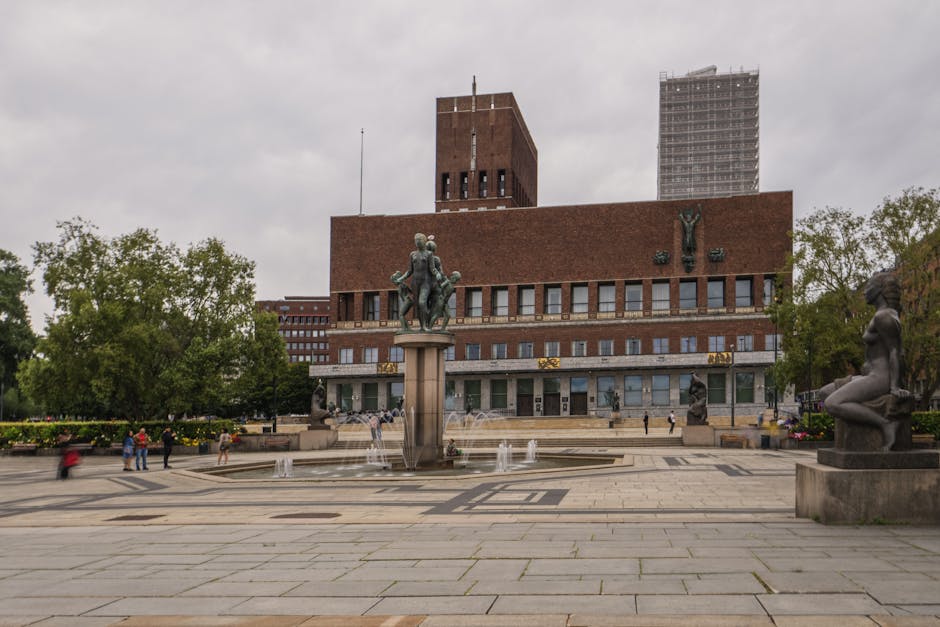
Oslo City Hall is a massive, austere Nordic-style building famous for hosting the Nobel Peace Prize ceremony. Its waterfront façade and Rådhusplassen square are central meeting points and a great base for exploring the quays, the Opera and nearby marinas. Exterior sculptures, reliefs and public space make for a pleasant urban walk and people-watching.
Local tips: mornings often have lovely light and fewer pedestrians. If the building is open for visits (check online), an interior tour reveals historic murals and mosaics. Don’t miss the quays behind the hall for views of boats and harbor life. It’s a 5–10 minute walk from Oslo Central Station (Oslo S).
Conclusion
Oslo is a capital tailor-made for free exploration. From Vigeland to the Opera, from Aker Brygge’s promenades to Ekebergparken’s hilltop views, the city is full of treasures you can enjoy without spending a single euro — each place revealing a different side of Norwegian identity: public art, contemporary architecture, nature woven into the urban fabric, and historic heritage. This guide has provided exact addresses and prices (all listed as €0 for these public sites), along with typical opening hours, practical tips to get the most out of your visit and suggestions for the best times of day to capture light or atmosphere.
For an efficient itinerary, combine several stops: for example, start on Karl Johans Gate and at the Royal Palace, walk down toward Aker Brygge via the Opera, then head up to Akershus Fortress for sunset. Another perfect day could be Vigeland in the morning, the Botanical Garden in the afternoon and an evening in Grünerløkka to soak up the local scene. In summer, plan a trip to Huk on Bygdøy for a swim; in autumn and winter, focus on urban walks and views from the Opera and Ekebergparken.
Final tips: always double-check official opening hours on municipal sites or venue pages before you go (especially for interior access or special events), dress in layers — the weather can change quickly along the fjord — and respect public spaces (don’t climb sculptures, clean up after picnics). Lastly, strike up a conversation with locals: Norwegians may be reserved but are warm and often happy to share their tips — a hidden café, a little-known viewpoint or a neighborhood market. Enjoy your trip to Oslo: walk the city, take your time to look, and let yourself be surprised by the free beauty on offer.