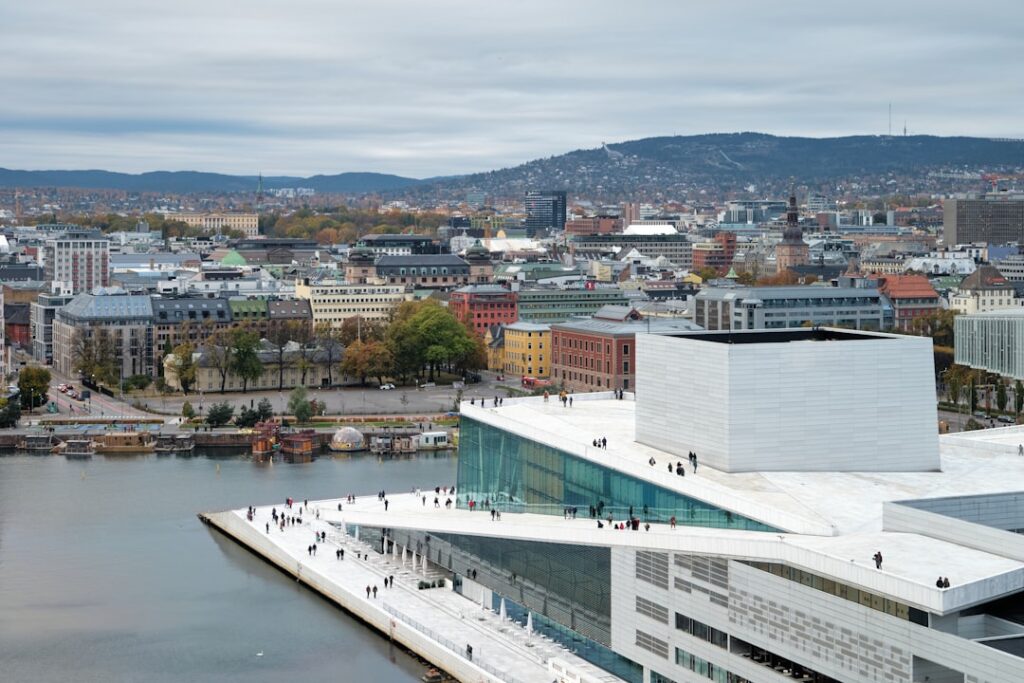






Introduction — Why Explore Oslo by Water and Rail
Oslo is a compact, green capital where the sea and the rails tell as much of the story as its museums. Exploring Oslo “by water and rail” mixes calm crossings of the Oslofjord with scenic train rides that take you from the city center up into hills, fjords and valleys. These two ways of getting around give you an immersive sense of the landscape, architecture and Norwegian everyday life: from the bustle of the central piers to the quiet forests around Holmenkollen, and the dramatic Flåm Railway descending from the mountains down to the Aurlandfjord.
This practical guide outlines easy-to-organize excursions — from regular round-trip shuttles on the Oslofjord to half-day rail outings. You’ll find exact departure points, addresses, indicative prices in euros, typical schedules (in season and off-season), plus local tips to beat the crowds, score the best seats and make the most of tickets via the Ruter and Vy apps. Fare info is shown in euros (€) for clarity; remember Norway uses the Norwegian krone (NOK) and prices may vary slightly with exchange rates and seasonal changes.
There are routes here for different kinds of travelers: short, accessible outings (the city ferry to Bygdøy for museums), picturesque commuter routes (ferries to Nesodden), full-day panorama trips (Oslo S → Myrdal → Flåm), and combined options mixing ferry and train in a single day. Each suggestion includes sensory details: the light on the water, the scent of pine, the click of rails, and — practical detail — the exact quay and station addresses so you can plan without surprises.
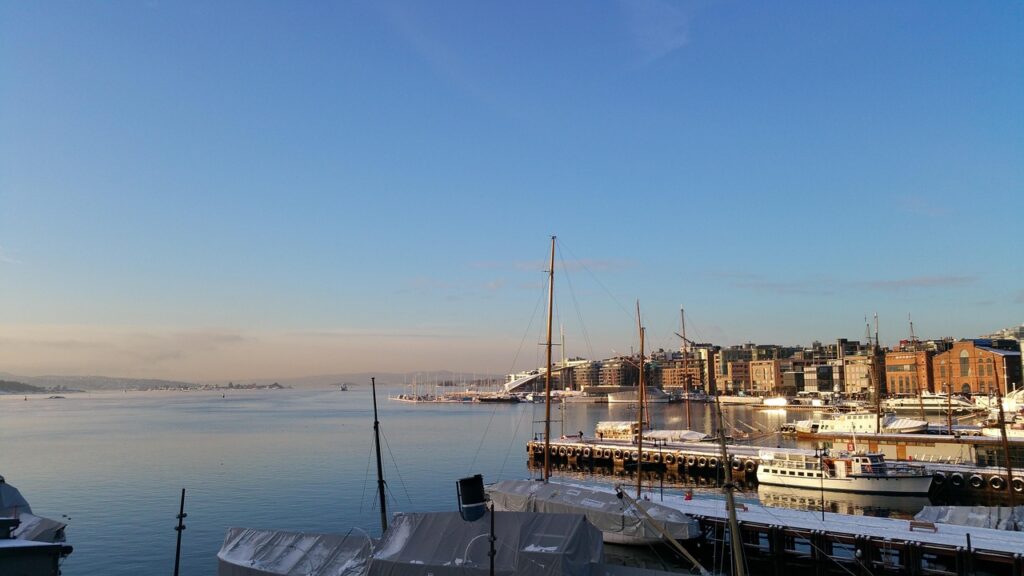
1) Quick Urban Ferry Trips: Bygdøy, Nesodden and Aker Brygge
Oslo’s urban ferries are both a daily transport option and an attraction in themselves. The run to Bygdøy is one of the most popular: it departs from the piers in front of the Hotel Rica Opera or Rådhusbrygge (Rådhusbrygge 3, Rådhusplassen 1, 0030 Oslo) and quickly connects you to the seaside museums (Viking Ship Museum, Norsk Folkemuseum, Kon-Tiki Museum). Recommended departure: Rådhusbrygge 3, Rådhusplassen 1, 0030 Oslo. Price: Ruter zone 1 tickets about 38 NOK (~€3.50) for a one-way adult fare. Schedule: in summer departures run every 10–20 minutes between 09:00 and 18:00; off-season frequency is lower (every 30–60 minutes). Tip: buy your ticket on the Ruter app (iOS/Android) to skip queues and validate before boarding.
For a more local, less touristy experience, take the ferry to Nesoddtangen (departure from Aker Brygge, address Aker Brygge Pier, 0250 Oslo). Duration: roughly 20–25 minutes. Price: ~38–50 NOK (~€3.50–€4.60) depending on route. Schedule: regular trips in the morning and evening (higher frequency during commuter peak hours), first departures from around 06:00 and last ones around 23:00 depending on season. The crossing offers lovely views of the fjord’s islands and provides access to quieter forest trails. Local tip: sit on the upper deck starboard side to watch Oslo’s south coastline, and bring a windbreaker even in summer — the breeze can be cool.
Finally, short ferry hops around Aker Brygge and Tjuvholmen are perfect for 30–90 minute outings that end at seafood restaurants or art galleries. Handy starting address: Aker Brygge, Stranden 3, 0250 Oslo (piers vary by operator). Price: often covered by a Ruter urban ticket or roughly €4 for special services. Schedule: mainly daytime, with extended evening runs during festival periods.
2) Rail Trips Around Oslo: Holmenkollen, Drammen and Scenic Suburbs
Oslo’s metro (T-bane) and rail network open up great half-day trips. The line to Holmenkollen (station address: Holmenkollen stasjon, Holmenkollveien 5, 0787 Oslo) is accessible via the “Holmenkollen” stop on metro line 1. Price: Ruter zone 1 ticket ≈ 38 NOK (~€3.50). Schedule: metros every 10–15 minutes during the day, less frequent late at night. Why go? The Holmenkollbakken ski jump and surrounding park offer sweeping views over Oslo and the fjord, especially dramatic in late afternoon. Tip: arrive before late morning to avoid school groups and enjoy forest trails that lead down toward the Frognerseteren valley.
For a more urban-but-scenic escape, take the regional train to Drammen from Oslo Central Station (Oslo S, Jernbanetorget 1, 0154 Oslo) — about 35–45 minutes depending on service. Price: Vy regional trains about 80–150 NOK (~€7–€13) one-way. Schedule: frequent departures (generally every 20–60 minutes). Drammen blends renewed riverside areas and parks; the walk along the Drammenselva river is especially pleasant in spring. Tip: book at vy.no to grab “Minipris” fares if you can be flexible with timing.
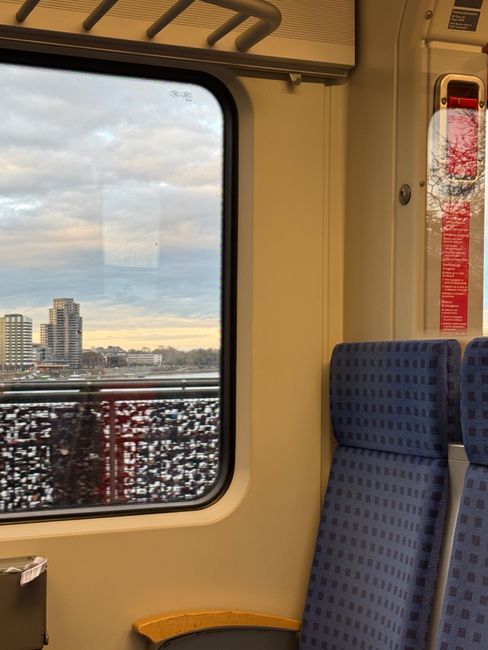
Local commuter lines (lokaltog) serving Nordmarka and nearby lakes also depart from Oslo S or nearby stations (Frognerseteren, Grefsen, Sognsvann). These trips cost an urban Ruter ticket and open onto easy hikes, summer swimming spots and rustic cabins (hytter). Local tip: bring a printed trail map or download the UT.no app to find refuges and drinking-water points.
3) The Must-See Flåm Railway: A Spectacular Day Trip from Oslo
The Flåm Railway (Flåmsbana) is widely hailed as one of Europe’s most dramatic rail sections. From Oslo you first take a Vy train from Oslo Central Station (Jernbanetorget 1, 0154 Oslo) to Myrdal (Myrdal stasjon, 5730 Myrdal) — roughly a 4.5–5 hour journey. At Myrdal you change for the Flåmsbana, a 20 km descent to Flåm (Flåm stasjon, 5743 Flåm), a steep valley that opens onto the Aurlandsfjord. Indicative prices: Oslo → Myrdal Vy regional: €45–€80 depending on time and flexibility; Flåm Railway one-way: €35–€45. Schedule: Vy trains Oslo → Myrdal run several times daily (check vy.no for exact times); Flåmsbana typically operates from about 09:00 to 17:00 with roughly one train an hour in high season (May–Sept).
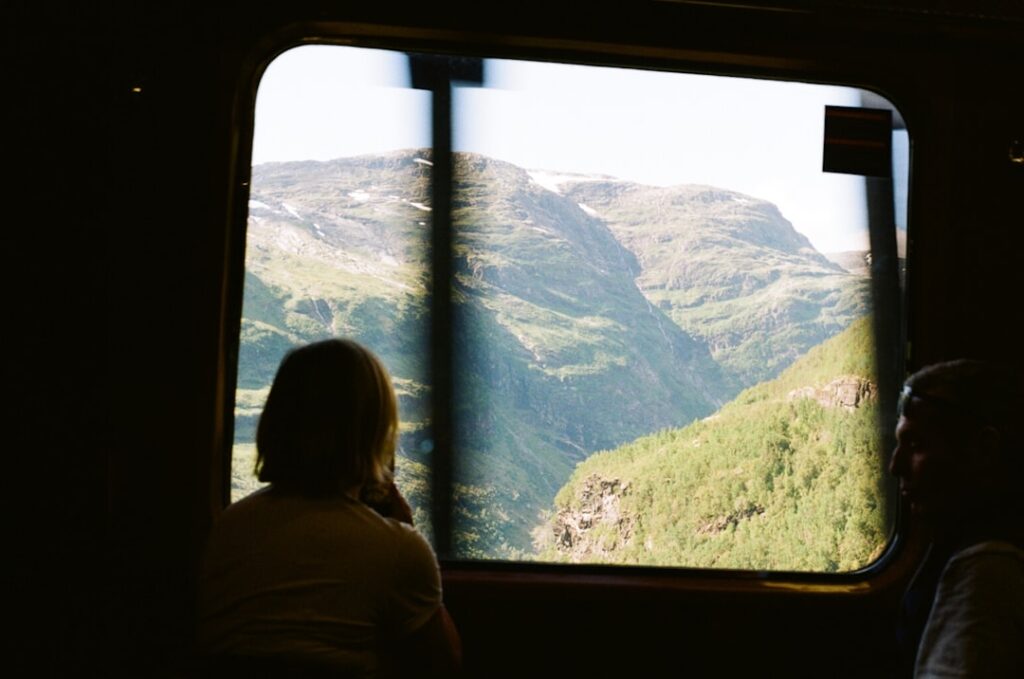
The transition from mountain railway to fjord creates strong contrasts: narrow tunnels and thundering waterfalls give way to peaceful fjords and wooden villages. In Flåm you can board cruises on the Aurlandsfjord and Nærøyfjord (a UNESCO-listed fjord). Short fjord cruises (2–3 hours) typically cost around €45–€70 depending on operator and season. Practical tip: leave Oslo early to maximize time in Flåm and try to reserve a window seat on the right side of the Flåmsbana for the best views (though both sides offer impressive scenery). Bring warm layers: temperatures can drop sharply in the valley and in tunnels, even in summer.
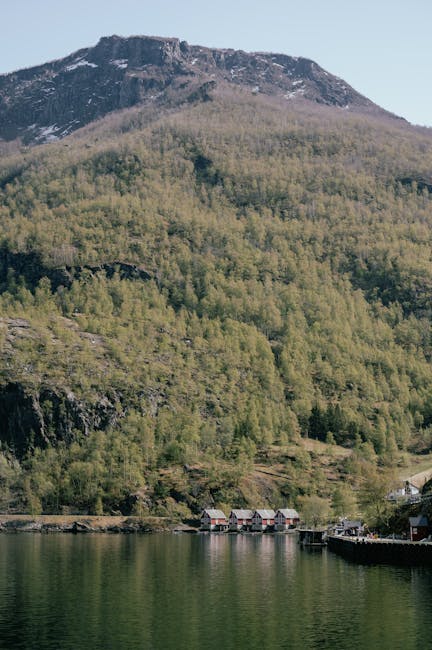
4) Water + Rail Combos: Suggested Day-Trip Itineraries
Combine ferry and train to get the best of both worlds. Here are two tried-and-true itineraries.
- Short morning itinerary: Depart at 09:00 from Aker Brygge (Stranden 3, 0250 Oslo) by ferry to Bygdøy (Ruter fare ≈ €3.50). Visit the Norsk Folkemuseum and the Viking Ship Museum (address: Huk Aveny 35, 0287 Oslo). Return for lunch at Aker Brygge, then take the metro or tram to Holmenkollen for panoramic views (Holmenkollveien 5, 0787 Oslo). Approximate total: €8–€12 per person, half a day.
- Full-day itinerary: Catch the Vy train at 07:30 from Oslo S (Jernbanetorget 1, 0154 Oslo) to Myrdal (~€50), then the Flåmsbana to Flåm (€35 return). Take a 3-hour fjord cruise (€50–€60). Return to Oslo in the evening (expect 5–7 hours of total travel). This route delivers unforgettable mountain-to-fjord scenery and works best May–September.
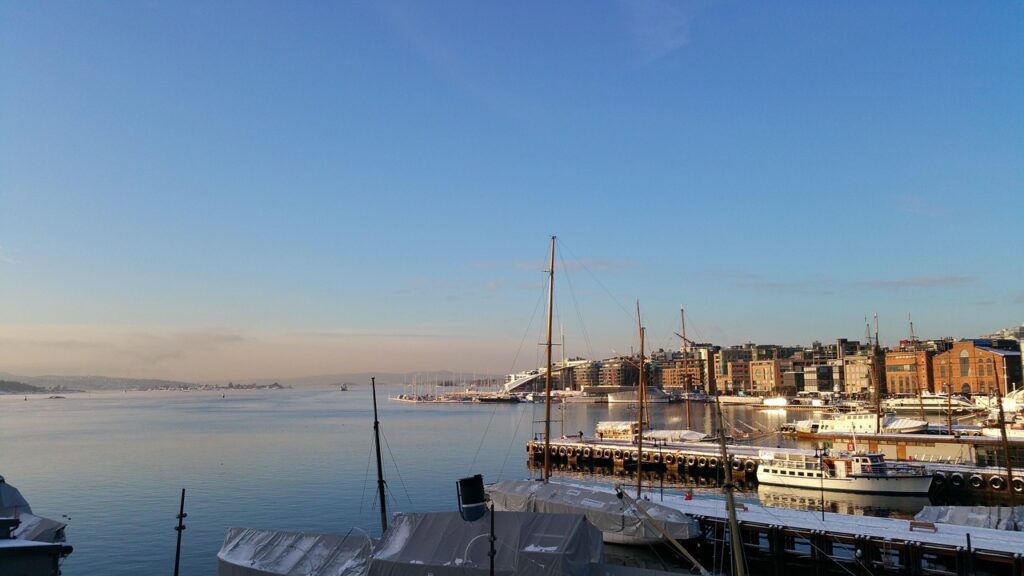
Tips for combining trips: buy long-distance tickets on vy.no or via the Vy app and pair them with a Ruter ticket for the city sections. If you plan several journeys in one day, the Oslo Pass might be worthwhile (prices vary by duration: 24h ≈ €45, 48h ≈ €65; check current rates) since it can include some museums and public transport, and sometimes the crossing to Bygdøy.
Conclusion — How to Plan and Make the Most of It
Exploring Oslo by water and rail is an efficient, pleasant way to discover the city and its surroundings. Urban ferries from Aker Brygge and Rådhusbrygge offer frequent, inexpensive crossings (Ruter zone 1 tickets ≈ €3.50), perfect for short trips to Bygdøy or Nesodden. Metro and train lines around Oslo give access to city vistas (Holmenkollen) and longer escapes to Drammen and the forests of Nordmarka. For a truly breathtaking experience, the Oslo → Myrdal → Flåm combo remains a classic: expect to pay between €80 and €140 for one-way/return and a fjord cruise, and plan for a full day.
Some practical rules: download the Ruter and Vy apps to buy and validate tickets, always check seasonal timetables (frequencies rise significantly in summer), and pack warm layers and a windproof jacket because the weather changes quickly near water and in the mountains. To avoid crowds, favor weekday departures and early-morning trips. And remember NOK/€ conversion: the prices here are estimates in euros — on site you’ll generally pay in Norwegian kroner, and most services accept contactless bank cards.
By mixing calm ferries and panoramic trains you’ll get a full picture of Oslo, from its lively waterfronts to its wooded slopes and majestic fjords. Whether you’re short on time or have a whole day, there’s a water + rail combination for you: use this guide, adapt it to the season, and discover Oslo at a slower, more scenic pace.