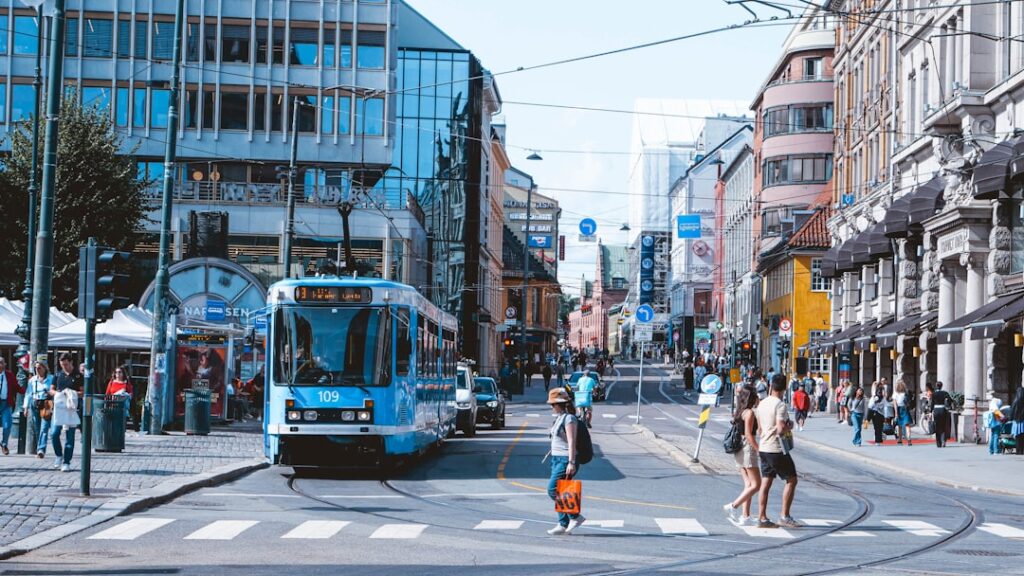






Introduction — Getting around Oslo: a smooth gateway to Norway
Oslo, Norway’s compact and modern capital, has a dense, punctual and user-friendly public transport network. Whether you’re in town for just a few days or you’re settling in longer, knowing how to get around helps you make the most of museums, parks, the fjord and the city’s neighborhoods. The system revolves around Ruter, the regional operator that coordinates the metro, trams, buses and ferries, and it works alongside complementary services like Flytoget (the airport express) and Vy (regional trains). The practical info below will help you plan trips: where to buy tickets, typical schedules, approximate prices in euros, and alternative options for a more local experience.
In this guide we’ll cover:
– Main transport hubs (Central Station, airport, interchange points) with exact addresses;
– How tickets and passes work, with prices shown in euros (rounded estimates to make conversions easier);
– Typical operating hours for each mode;
– Immersive recommendations and local tips (best tram lines for views, rush-hour tricks, luggage options).
Oslo is a very walkable city — from the stroll along the waterfront between the Central Station (Oslo Sentralstasjon) and the Opera House (Operahuset), to wandering around Aker Brygge and Akershus Fortress. For longer distances or to save time (for example getting to Vigeland Park or Bygdøy), public transport is the fastest option. The network is integrated: an electronic ticket or one bought via the Ruter app works for most modes (except for some private services like Flytoget which use separate ticketing).
This guide gives you practical directions, precise addresses (for GPS), price ranges in euros, typical schedules and descriptive tips so you know what to expect. You’ll also find alternatives — taxis, bike rentals, e-scooters — and warnings to avoid common pitfalls (e.g. ticket validation, night fares). The visual markers 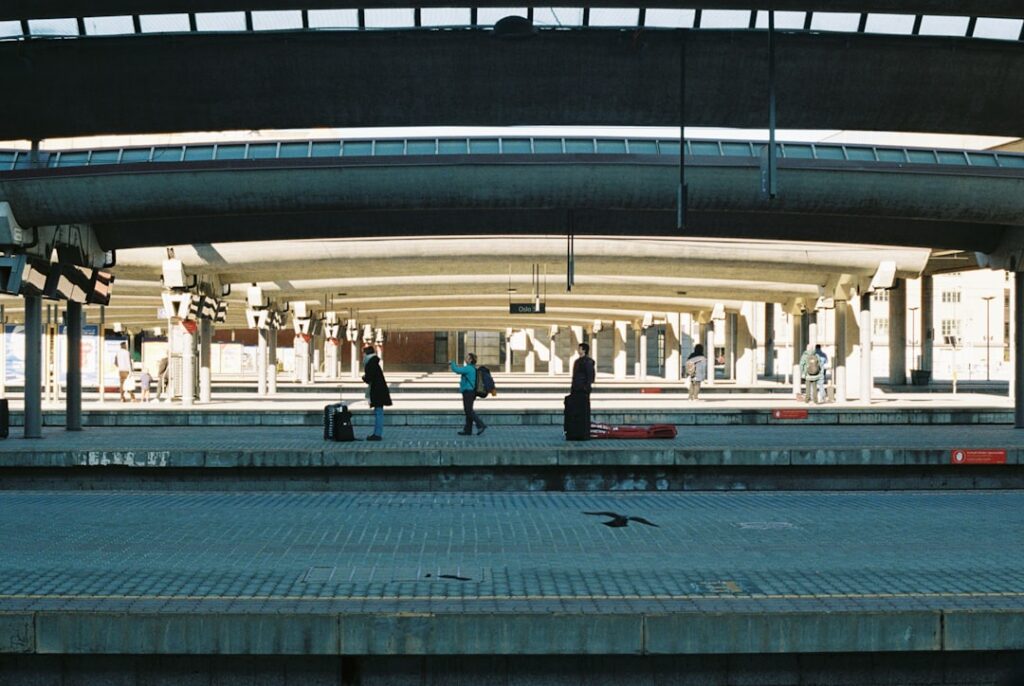 sprinkled through the text will help you picture the places described and better prepare your trips.
Overview of public transport in Oslo — network, tickets and prices
The heart of Oslo’s transport system is Ruter (ruter.no), which coordinates the metro (T-bane), trams (trikk), buses and ferries. For regional trips and airport links, Vy and Flytoget complement the offer. Here are the essentials to know before you go.
- Main hubs and addresses:
- Oslo Central Station (Oslo Sentralstasjon), Jernbanetorget 1, 0154 Oslo — the central point for regional trains, trams, buses and the metro.
- Oslo Airport Gardermoen (Oslo Lufthavn Gardermoen), Aviatorveien 45, 2061 Gardermoen — station for Flytoget and Vy.
- Nationaltheatret Station, Henrik Ibsens gate 4, 0255 Oslo — a central hub for the metro and trains, close to the Royal Palace area.
- Rådhusbrygge (City Hall Pier), Rådhusbrygge 3, 0151 Oslo — departure point for urban ferries to Bygdøy.
- Tickets and validation:
Tickets can be bought via the Ruter app (iOS/Android), at ticket machines in stations, and at some convenience stores (7-Eleven, Narvesen). Since 2022/2023 the app is the simplest method — it can auto-calculate your fare if you enable the « autoticket » geolocation feature. You must validate or have a purchased ticket before boarding: checks are frequent and penalties are high.
- Indicative prices in euros (approx.):
Norwegian fares are usually listed in Norwegian kroner (NOK). The conversions below are rounded estimates (1 EUR ≈ 11–12 NOK) for guidance. Check current prices on ruter.no or flytoget.no before you travel.
- Single ticket Zone 1 (city of Oslo): ≈€4.00 (about NOK 45–50).
- 24-hour ticket Zone 1: ≈€10.50 (about NOK 115–125).
- 7-day pass Zone 1: ≈€26–€30 (about NOK 300–350).
- Flytoget (airport Oslo ↔ Oslo S): ≈€22–€25 one way (about NOK 230–270), frequency ~every 10 minutes.
- Vy train Oslo ↔ Drammen or region: variable, roughly ≈€5–€15 depending on distance.
- General hours:
The metro (T-bane) generally runs from about 05:00 to around 01:30 on weekdays, with high frequencies (2–10 minutes depending on line and time). Trams and buses follow similar schedules (first departures around 05:00–06:00, last services around 00:30–01:00); on weekends some night services operate. Flytoget runs nearly all day (very early first departures and late last services) with frequent intervals. Urban ferries to Bygdøy mainly operate during daytime and run more often in summer.
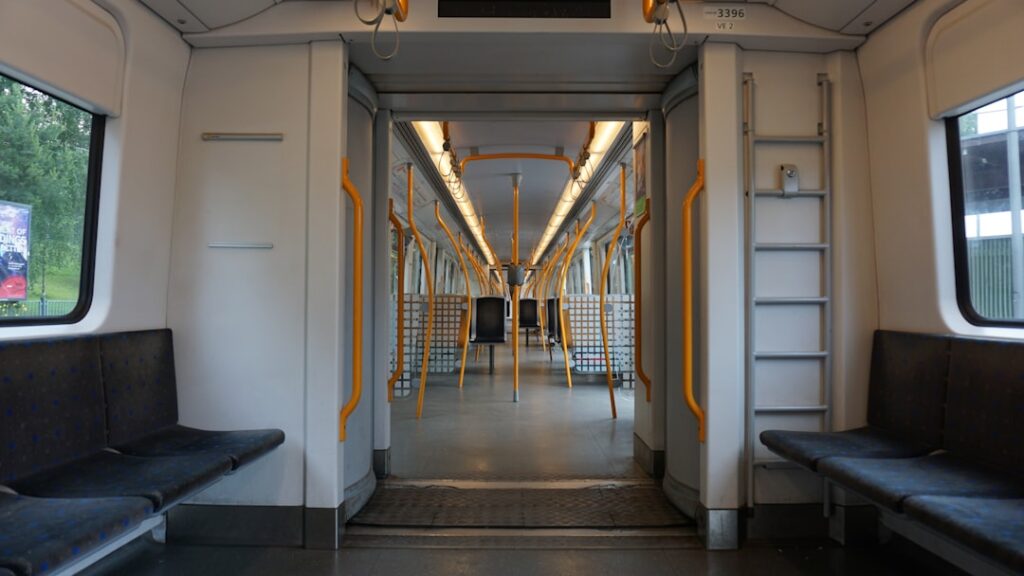
Trains and airport links — Flytoget, Vy and other connections
To reach the city center from Oslo Lufthavn Gardermoen you have two main train options: Flytoget (express) and Vy (regional). Both depart from the airport station (Aviatorveien 45, 2061 Gardermoen) and reach Oslo S (Jernbanetorget 1, 0154 Oslo) in about 19–25 minutes on Flytoget and 23–30 minutes on Vy, depending on stops.
Flytoget (flytoget.no) is the official airport express, known for its frequency and comfort. Frequency: approximately every 10 minutes during the day. Hours: first departures very early (~04:30–05:00) and last departures late (~00:30–01:30), varying by season. Price: roughly €22–€25 one-way (about NOK 230–270); round-trip tickets or online promotions can lower the cost. Flytoget tickets are available online, at machines or at airport station counters. The ride is direct and ideal if you have luggage and want a quick trip to the center.
Vy (vy.no) offers more economical regional trains with extra stops. Price: usually cheaper than Flytoget, for example ≈€8–€15 (NOK 90–170) depending on route and advance purchase. Vy is handy if your destination isn’t exactly Oslo S or if you’re using a travel pass. Vy trains run regularly and also serve suburban stations and nearby towns.
Important: upon arrival most taxis wait just outside the main exit of the airport. Taxi Oslo (central number +47 02323) and other companies charge higher fares — airport to city center: ≈€60–€90 depending on traffic (NOK 650–900). Car hire desks are located in the arrivals hall (international agencies, airport Aviatorveien 45).
Practical tip: if you travel with a group or large suitcases, Flytoget is often the most comfortable option despite the higher fare. Book ahead in high season. If you have an Oslo Pass (tourist card), note that it covers local public transport (Zone 1) but does not include Flytoget or long-distance Vy trips from the airport.
Metro (T‑bane), trams (Trikk) and buses — getting around town
Oslo’s metro (T‑bane) is the fastest way to cross the city diagonally and reach areas like Majorstuen (access to Vigeland Park) or Holmenkollen (the ski-jump hill). Lines are numbered (main lines 1–6 with branches). Nationaltheatret (Henrik Ibsens gate 4, 0255 Oslo) and Stortinget (Karl Johans gate) are two central stations where multiple lines intersect.
Trams (trikk) are great for scenic rides along the waterfront and through historic neighborhoods: line 12 runs through Grünerløkka to Kjelsås, while line 13 serves the Akerselva area. Trams offer a local vibe, open windows in summer and frequent stops. Stops are well marked and conductors rarely sell tickets on board — have a valid ticket ready.
Buses fill gaps in the network and serve outer neighborhoods and night routes. Night buses run mainly on Friday and Saturday nights into the early morning hours, covering areas the metro doesn’t serve late at night.
Typical hours: Metro — 05:00–01:30 (frequency 2–10 min depending on time). Tram — 05:30–00:30 (frequency 6–15 min daytime). Bus — similar to trams, with connecting routes. Night buses — mostly on weekends, check the Ruter app for exact routes and times. Tickets are sold via the Ruter app, at station machines, or by contactless card on many buses (varies by route). Note that some interregional lines require a separate Vy ticket.
Some useful stops and addresses:
- Majorstuen, Kirkeveien / Sørkedalsveien area — gateway to Vigeland Park and Frogner Park.
- Stortinget, Karl Johans gate — near the Palace, the Opera and the main shopping street.
- Aker Brygge, Bryggetorget 3, 0250 Oslo — tram and bus stops for the waterfront, ferries to Bygdøy.
Local tip: for memorable views, take the tram that follows the Akerselva north (line 11/12 depending on routing) and get off at Grünerløkka for coffee shops and indie stores. Buy a 24-hour ticket if you plan multiple rides in a day — it’s often cheaper than buying single tickets for each trip.

Ferries, bikes, e-scooters and taxis — alternative options to know
Beyond rails and roads, Oslo’s direct access to the fjord makes urban ferries especially appealing, particularly in summer. Ruter ferries depart from Rådhusbrygge (Rådhusbrygge 3, 0151 Oslo) to the museums on Bygdøy (Fram Museum, Kon-Tiki Museum, Viking Ship Museum — addresses: Bygdøynesveien 36, 0286 Oslo for the Fram Museum; Museumshavn 1 for Kon-Tiki per official listings). Departures are frequent during the day, roughly every 20–30 minutes in high season. Price: covered by a Zone 1 ticket (≈€4 for a single trip) or a day pass.
Bikes and e-scooters are everywhere: bike-share services like Oslo Bysykkel (stations throughout the city) and several private e-scooter operators offer minute-based rentals. Approximate rates: public bike rental ≈€1–€2 for registration + ≈€0.50–€1 per 15–30 minutes; e-scooters ≈€1 to unlock + ≈€0.20–€0.30 per minute. Central bike station example: Oslo City Bike docks (e.g. in front of Oslo S, Jernbanetorget 1).
Taxis: official taxis (Taxi Oslo, BYBIL and others) are found at designated ranks (Oslo S east exit, Rådhusplassen, Aker Brygge). Flag fall: ≈€4.50–€6.00 (NOK 50–70), then ≈€1.50–€2.50 per km depending on company and time of day. Airport-to-city fares can range from ≈€60 to €90 depending on traffic and vehicle size. Handy number: Taxi Oslo +47 02323.
Car hire: major international companies (Hertz, Avis, Sixt) operate at the airport (Aviatorveien 45) and in the city center (Oslo S and Majorstuen). Central parking is costly and limited; use public car parks (e.g. Q-Park Oslo S) and check blue zone rules for limited stays.
Local tips:
- If you travel in summer, favor the ferry to Bygdøy — it’s more scenic and often quicker than the bus.
- For late-night travel, check the Ruter app for night buses; otherwise be prepared to take a taxi if services don’t match your schedule.
- Use a 24-hour or 7-day pass if you plan multiple museum visits and trips — it’s usually cheaper.
- Always carry a bank card for contactless payments; many ticket machines and buses accept card or smartphone payments.

Practical tips for travelers — ticket buying, luggage and timing hacks
A few practical habits will make your stay in Oslo smoother:
- Download and use the Ruter app: essential for planning, buying tickets and checking real-time schedules. Turn on notifications for service changes (works, detours). The app also stores trip history and offers English translations if needed.
- Validation and checks: always validate before boarding; ticket inspections are frequent and fines for traveling without a valid ticket are steep (several hundred euros in NOK equivalent). Validators are on metro and tram platforms; on buses buy from the driver or scan your mobile ticket.
- Luggage: metros and trains accept suitcases; avoid peak hours (08:00–09:30 and 16:00–18:00) if you have lots of bags because carriages get crowded. Flytoget has the most space for luggage and is often recommended for that reason.
- Real-time schedules: use Google Maps, Ruter or Entur for connections. Trams can be slower during rush hour or when works are underway.
- Weather and seasons: in winter allow extra travel time for ice and snow-clearing operations. In summer ferries and tourist services run more frequently.
For a local experience, try mixing modes: a morning on foot or by bike, an afternoon tram ride across Grünerløkka, then an evening ferry to Bygdøy or Hovedøya for sunset over the fjord. These combinations make travel not only efficient but genuinely enjoyable and memorable.
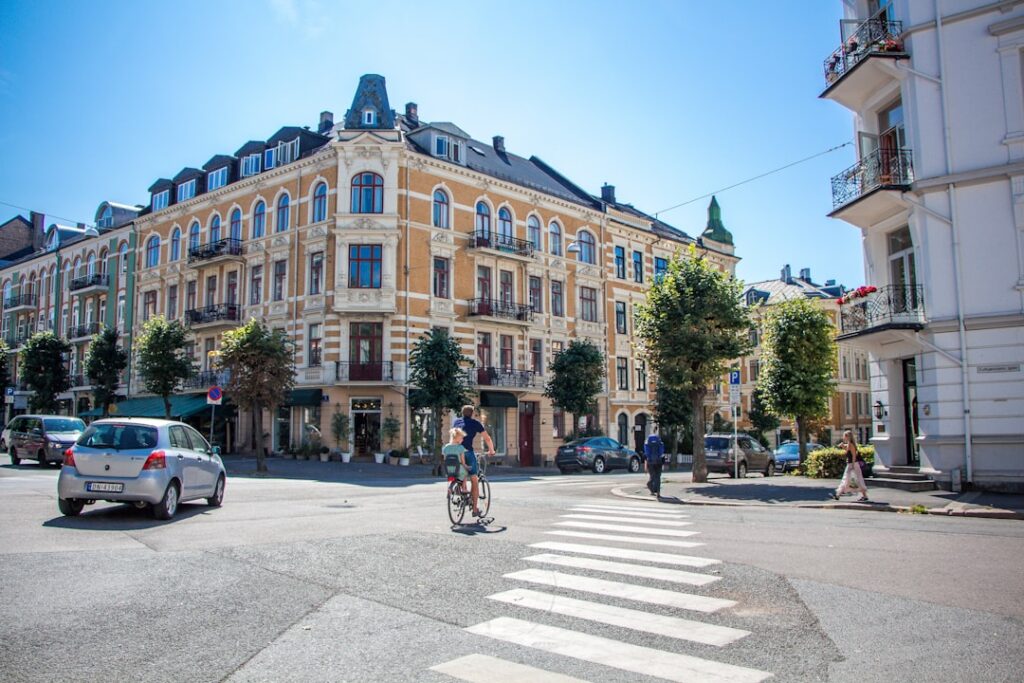
Conclusion — Getting around Oslo with confidence
Oslo has a well-structured, reliable and straightforward public transport system. Between Ruter’s integrated network (metro, tram, bus, ferries), Vy trains and the fast Flytoget to the airport, you have plenty of options to travel efficiently. The key is to use the Ruter app, choose the right ticket type (single, 24h, 7-day) for your pace, and plan trips with attention to schedules and seasons. Prices in euros in this guide are indicative — always check current fares online, as Norway updates prices regularly.
For tourists: favor the 24-hour ticket if you plan multiple visits and journeys in a single day, and try combining tram and ferry for unique fjord views. If you have luggage or arrive late, Flytoget and taxis are convenient but pricier. Bikes and e-scooters give you valuable freedom for short, pleasant hops along Aker Brygge and the waterfront neighborhoods. Finally, always validate your ticket to avoid penalties and adapt your routes to works and night bus timetables if you’re out late.
In short, with a little preparation — downloading the Ruter app, buying tickets ahead when useful, and noting key addresses (Oslo Sentralstasjon, Nationaltheatret, Rådhusbrygge, Oslo Lufthavn Gardermoen) — you’ll get around confidently and discover Oslo’s many sides: culture, urban nature and the fjord. Safe travels and enjoy Norway’s capital!