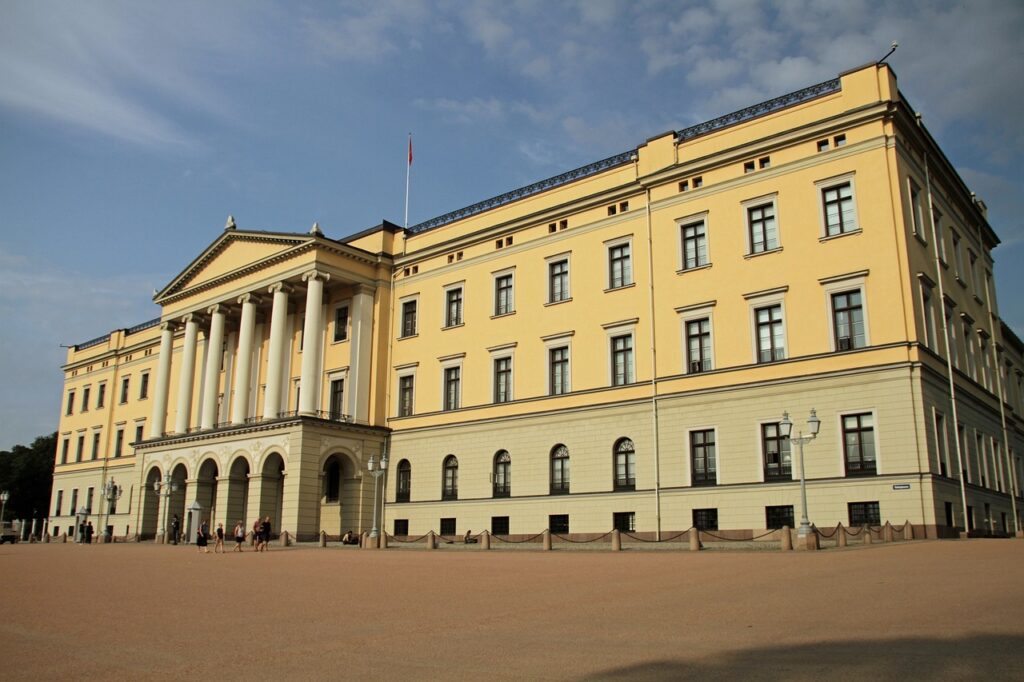






Introduction: Why the Oslo Pass is a Game Changer for Visiting Oslo
Visiting Oslo can be a rich and varied experience: world-class museums, striking contemporary architecture, vast green spaces and a booming food scene. Yet if you’re planning to stay for a few days, the cost of individual museum tickets, public transport and excursions (ferries to Bygdøy, themed museums, guided tours) can add up quickly. That’s exactly the problem the Oslo Pass is designed to solve: an all-in-one tourist card that simplifies day-to-day planning while offering solid savings. In this introduction, we’ll explain what the Oslo Pass is, who it’s for, how it works in practice and why it deserves a spot on your itinerary whether you’re traveling solo, as a couple or with family.
The Oslo Pass is a time-limited card (24, 48 or 72 hours) that grants free access to a large number of municipal and national attractions and museums in the Norwegian capital, covers urban public transport (Zone 1) and provides discounts at several restaurants, shops and activities. Instead of buying each ticket separately, you activate the Oslo Pass at first use and get free entries and discounts for the duration you chose. This system is especially useful for travelers who want to combine museums (for example MUNCH, the Viking Ship Museum, Fram Museum), landmarks (Oslo Opera House, Akershus Fortress) and local experiences (short cruises, access to the Holmenkollen Ski Museum).
Practically speaking, the Oslo Pass comes in several pricing options. Official prices at ticket desks and online can vary slightly by season, but as a guide (rounded prices and converted to euros at an approximate rate of 1 NOK = 0.09 EUR): 24 hours costs around 360 NOK (~32–36 €), 48 hours about 540 NOK (~48–54 €) and 72 hours around 660 NOK (~58–66 €) for an adult. Reduced rates are available for children and seniors. You can buy the card online (official site oslopass.no), at tourist information points like the Oslo Visitor Centre (Jernbanetorget 1, 0154 Oslo) or at some partner outlets such as Oslo Airport (Oslo Lufthavn Gardermoen).
Beyond the financial aspect, the Oslo Pass saves you time: shorter queues, priority access at some venues and a smoother experience when moving around the city. New visitors will appreciate the freedom to follow a spontaneous plan — visit a museum in the morning, take a cruise in the afternoon and stop by the Opera in the evening — without recalculating the budget for every stop. In the sections below we’ll break down exactly how the Oslo Pass works, list the main included sites (with addresses and opening times), give sample itineraries and share local tips to get the most from your pass.
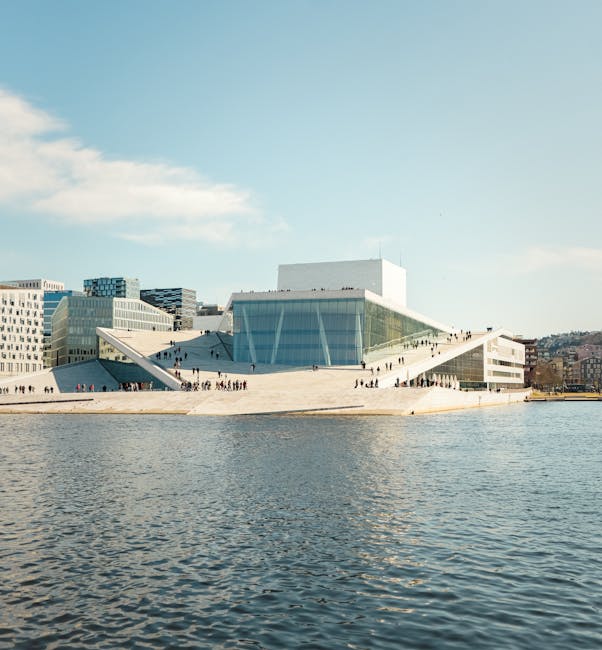
How the Oslo Pass Works: Activation, Coverage and Limits
Activation and use of the Oslo Pass are designed to be simple and intuitive. The card can be purchased as a physical or digital version; you can choose a plastic card issued at a counter, a card given at the airport or a mobile/printable version bought online. The key thing to know: the card’s validity starts the moment it’s first used (activated), not when you buy it. If you buy the Oslo Pass the day before your sightseeing, it won’t be active until you scan the card at an attraction or on public transport.
Geographic coverage: the Oslo Pass includes public transport within Ruter Zone 1 (Oslo’s urban network), which covers most central attractions and Bygdøy. Important: if you plan trips to other zones (for example the airport Oslo Gardermoen, or excursions outside Zone 1), those journeys are not covered by the standard pass. You’ll need to buy a separate ticket or pay a supplement. For example, a train trip from Oslo Lufthavn Gardermoen to Oslo S costs about 195 NOK (~18 €) and is not included in the Oslo Pass.
Included entries and discounts: the Oslo Pass offers free admission to more than 30 major attractions and discounts at others. Typical included sites are:
– MUNCH – The museum of Munch (Edvard Munchs Plass 1, 0194 Oslo);
– Fram Museum (Bygdøy peninsula, Fedrelandsveien 57-59, 0286 Oslo);
– Kon-Tiki Museum (Bygdøy 24, 0286 Oslo);
– Norsk Folkemuseum (Museumsveien 10, 0287 Oslo);
– Vikingskipshuset / Viking Ship Museum (Bygdøyveien 35, 0287 Oslo);
– Holmenkollen Ski Museum & Tower (Kongeveien 5, 0777 Oslo);
– Vigeland Museum and Vigeland Sculpture Park (Nobels gate 32, 0268 Oslo);
– Oslo Opera House (Kirsten Flagstads Plass 1, 0150 Oslo) – guided tours often discounted.
The inclusions can change over time: always check oslopass.no before you travel for the latest updates.
How to present the card: at museums and attractions, show your card (physical or digital) at the ticket desk; some places require a scan or a stamp. For public transport, show it to the inspector or present the card during checks; on buses and trams keep it visible. The Oslo Pass doesn’t always replace timed tickets (for example for specific ferries or private attractions) but it often offers a substantial discount (10–50%).
Limits to be aware of: the Oslo Pass is not universal. Some paid temporary exhibitions, performances or special displays may be excluded or require a supplement. Long-distance cruises or organized excursions (for example fjord trips farther afield) aren’t fully covered. Finally, the pass mainly covers the urban area; if you plan to travel well beyond Oslo, consider regional tickets or other Norwegian passes.
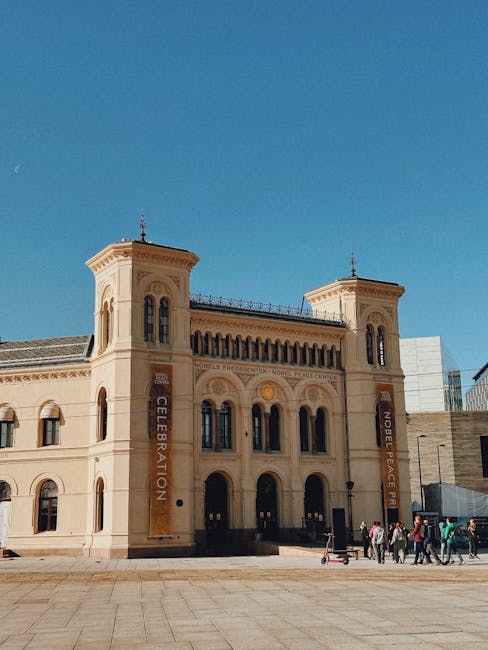
Top Included Attractions: Addresses, Opening Times and Practical Tips
To gauge the actual value of the Oslo Pass, it helps to look at specific attractions — their addresses, opening hours and solo-ticket prices for comparison. Here’s a selection of major places included with practical info. Times are representative; opening hours can vary by season or on public holidays: check official sites before you go.
-
MUNCH – The museum of Munch
Address: Edvard Munchs Plass 1, 0194 Oslo.
Opening hours: generally 10:00–17:00 (Fridays often 10:00–20:00).
Price without Oslo Pass: around 150 NOK (~13–14 €).
Description: museum dedicated to Edvard Munch’s work, featuring the permanent collection and temporary exhibitions; modern architecture, bright galleries and multimedia visits. Tip: arrive at opening to avoid crowds and make use of the audio guide if it’s included. -
Fram Museum
Address: Bygdøynesveien 37, 0286 Oslo (Bygdøy).
Opening hours: roughly 10:00–17:00 (extended hours in summer).
Price without Oslo Pass: around 120 NOK (~11 €).
Description: polar museum featuring the ship Fram; a deep dive into the history of Arctic exploration. Tip: combine it with the Kon-Tiki Museum and the Norsk Folkemuseum on the same day (same peninsula), and take the ferry from Aker Brygge for a scenic crossing. -
Kon-Tiki Museum
Address: Bygdøynesveien 36, 0286 Oslo (Bygdøy).
Opening hours: roughly 10:00–17:00.
Price without Oslo Pass: about 120 NOK (~11 €).
Description: exhibition on Thor Heyerdahl and his expeditions; artifacts, films and the famous Kon-Tiki raft. Tip: reserve time for the multimedia room. -
Norsk Folkemuseum (Norwegian Museum of Cultural History)
Address: Museumsveien 10, 0287 Oslo (Bygdøy).
Opening hours: roughly 10:00–16:00 (varies seasonally).
Price without Oslo Pass: about 160 NOK (~14 €).
Description: open-air museum with historic Norwegian buildings, a Viking farm and exhibitions on folk culture. Tip: allow several hours if you want to visit outdoor buildings and the main hall. -
Vigeland Sculpture Park (Vigelandsparken)
Address: Nobels gate 32, 0268 Oslo.
Opening hours: park open 24/7; Vigeland Museum 10:00–17:00.
Price without Oslo Pass: park is free; museum costs about 80 NOK (~7 €).
Description: monumental park created by Gustav Vigeland, featuring over 200 bronze and granite sculptures. Tip: take a morning walk for soft light and fewer people. -
Viking Ship Museum (Vikingskipshuset)
Address: Bygdøyveien 35, 0287 Oslo (Bygdøy).
Opening hours: around 10:00–17:00.
Price without Oslo Pass: about 120 NOK (~11 €).
Description: remarkably well-preserved Viking ships and funerary artifacts. Tip: great for families; the audio guide is recommended. -
Holmenkollen Ski Museum & Tower
Address: Kongeveien 5, 0777 Oslo (Holmenkollen).
Opening hours: museum 10:00–17:00; tower access depends on weather.
Price without Oslo Pass: roughly 140 NOK (~12 €) for museum + tower.
Description: ski museum in one of the world’s oldest ski areas, with panoramic views over Oslo from the tower. Tip: take the Metro Line 1 to Holmenkollen (covered by the Oslo Pass).
In addition to these sites, the Oslo Pass often provides a discount for Oslo Opera House guided tours (Kirsten Flagstads Plass 1, 0150 Oslo), and free access to some permanent exhibitions at the Norwegian Museum of Science and Technology (Norsk Teknisk Museum, Kjelsåsveien 143, 0491 Oslo) depending on the period. Comparing individual ticket costs across two days quickly shows the potential savings: two museums at 150 NOK each + Fram (120 NOK) + Holmenkollen (140 NOK) = 560 NOK (~50 €) — already equal to or exceeding the cost of a 48-hour pass in many cases.
Optimized Itinerary Examples with the Oslo Pass and Local Tips
One of the best ways to understand the Oslo Pass’s benefits is to see it in concrete itineraries. Here are several examples (urban, cultural/family and scenic) for different kinds of travelers — each includes addresses, typical opening hours and estimated savings thanks to the Oslo Pass.
-
48-hour cultural itinerary (great for art and history lovers)
Day 1: Morning at MUNCH (Edvard Munchs Plass 1) — opens at 10:00; lunch around Tøyen/Grünerløkka. Afternoon: Vigeland Sculpture Park (Nobels gate 32); evening: stroll along Karl Johans gate and views of the Oslo Opera House (Kirsten Flagstads Plass 1).
Day 2: Bygdøy: Fram Museum (Bygdøynesveien 37), Kon-Tiki Museum (Bygdøynesveien 36) and Norsk Folkemuseum (Museumsveien 10) — regular ferries depart from Aker Brygge (crossing ~20 minutes).
Price advantage: without a pass, Munch (~150 NOK) + Fram (~120 NOK) + Kon-Tiki (~120 NOK) + Norsk Folkemuseum (~160 NOK) = ~550 NOK (~50 €). Add public transport and ferry fares (not always included) and you’ll quickly see the value of a 48h pass. -
72-hour family itinerary
Day 1: Vigelandsparken and Vigeland Museum (Nobels gate 32).
Day 2: Viking Ship Museum (Bygdøyveien 35) and Norsk Folkemuseum (Museumsveien 10).
Day 3: Holmenkollen Ski Museum & Tower (Kongeveien 5) + a fjord-side walk at Aker Brygge.
Practical benefit: many child-friendly activities are included for free, saving on individual admission fees; the Metro ride to Holmenkollen is covered by the Oslo Pass. -
24-hour “views and chill” itinerary
Morning: Holmenkollen for the panorama (Kongeveien 5). Afternoon: ferry to Bygdøy for Fram Museum and Kon-Tiki. End of day: coffee or matcha fika in Grünerløkka and a waterfront stroll.
Advantage: perfect if you’re short on time but want to hit the highlights; a 24h Oslo Pass can be enough if you concentrate your visits.
Practical local tips:
– Buy the card at the Oslo Visitor Centre (Jernbanetorget 1, 0154 Oslo) if you prefer a physical card — the centre is next to the central station (Oslo S). Visitor Centre opening hours: typically 09:00–18:00 in high season.
– If you opt for a digital version, keep a printed backup in case of connectivity issues.
– Activate your pass on the morning of a big sightseeing day to maximize value; validity starts at first validation (for example 09:30 if you enter at 09:30).
– Ferries to Bygdøy depart from Aker Brygge (Address: Bryggetorget 1, 0250 Oslo) — the ride is scenic and included under some pass terms; alternatively take bus 30/31 to Bygdøy (also covered in Zone 1).
– For partner restaurants, check the discount terms (10–20%) and conditions: some offers are valid only at lunch or on selected menus.
Where to Buy, Detailed Prices in Euros and Practical FAQ
Buying the Oslo Pass is straightforward: you can purchase it online on the official site (oslopass.no), at tourist offices, or at some hotels and points of sale. Here are the options and indicative prices converted to euros (approx. rate 1 NOK = 0.09 EUR). Official prices are usually given in NOK — we include them for reference.
- Buy online: pay by card and receive a voucher or a mobile version to show on your smartphone. Benefit: instant availability and sometimes promotional offers.
- Buy on-site: Visitor Centre (Jernbanetorget 1, 0154 Oslo), information desks at the airport and some partner museums. This allows you to ask questions and get itinerary advice.
Indicative prices (adults):
– Oslo Pass 24 hours: about 360 NOK (~32–36 €).
– Oslo Pass 48 hours: about 540 NOK (~48–54 €).
– Oslo Pass 72 hours: about 660 NOK (~58–66 €).
Child rates (usually 6–17 years) are reduced — often around 50% of the adult price. Children under 6 typically travel and enter many attractions free of charge. There are sometimes student or senior rates depending on age and season.
Practical FAQ:
– Q: Does the Oslo Pass include the metro to the airport?
A: No. The Oslo Pass covers public transport in Zone 1 (central city and immediate surroundings). Trips to Oslo Lufthavn Gardermoen (the airport) are outside Zone 1.
– Q: Can I share an Oslo Pass?
A: No, the card is personal and nominative. Checks can be performed on transport and at museums.
– Q: What if I lose my physical card?
A: Lost physical cards are generally not refunded or replaced. Choose the digital version if you’re worried about losing the card.
– Q: Are temporary exhibitions included?
A: Some temporary exhibitions are included, others are not. Check the list of included exhibitions on oslopass.no before planning.
Pros, Cons and Final Recommendations for Including It in Your Plans
Major advantages:
– Financial savings: for visitors hitting multiple museums and attractions in a short time, the Oslo Pass often delivers significant savings. For example, if you plan 3–4 major museums in 48 hours, the card quickly pays for itself.
– Simplicity and time saved: no need to buy individual tickets or queue at every attraction. It makes spontaneous planning much easier.
– Transport included (Zone 1): unlimited use of buses, trams, metros and some ferries in the central zone is a real convenience, especially for reaching Holmenkollen or crossing to Bygdøy from Aker Brygge.
– Extra perks: discounts at selected restaurants, shops and guided tours. These can enhance your local experience (tastings, workshops, etc.).
Drawbacks and limits:
– Time-limited: the card is worth it when you pack visits into a short period; if you prefer a very slow pace, the investment might not be justified.
– Exclusions: some temporary exhibitions, shows and trips outside Zone 1 (airport, long fjord excursions) are not included.
– Nominative and non-shareable: each person needs their own card to benefit.
– Seasonal variations: some museums reduce hours off-season; check before you go so you don’t arrive at closed doors.
Practical recommendations:
– If you stay 2 days and plan more than 3 major museums/attractions, choose the 48h Oslo Pass.
– If you have only one day, plan an intensive day (Holmenkollen + one museum + a fjord-side walk) and a 24h pass can be worthwhile.
– Buy online to save time and ensure you have the mobile version; buy at the Visitor Centre if you want personalized advice and a plastic card.
– Take the ferries to Bygdøy from Aker Brygge (Bryggetorget 1, 0250 Oslo): the crossing is scenic and lets you combine several museums in a single day.
Conclusion: The Oslo Pass — a Practical Tool for Stress-Free Exploration
Including the Oslo Pass in your plans is often a smart choice to maximize your time and reduce logistical stress. Whether you love art, are passionate about history, are traveling with family or are simply curious about the city, the card gives you the freedom to pack busy days without worrying about individual costs. By covering access to many important museums and monuments, integrating public transport in the central zone and offering extra discounts around the city, the Oslo Pass turns a potentially expensive visit into a smooth, economical exploration.
The key to getting the most out of the pass is active planning: pick a strategic activation day (for example the morning of a big sightseeing day), group museums that are close together (Bygdøy for maritime and folk museums) and use included transport to cover the city quickly. Don’t forget to check opening hours and temporary exhibitions on museums’ official sites (for example MUNCH, Fram Museum, Norsk Folkemuseum) before visiting, as times can change seasonally.
In short, the Oslo Pass is an excellent compromise between savings and convenience for most visitors. For short, intense stays (24–48 hours) and deeper cultural visits (72 hours), the card often pays for itself with entry to two or three major attractions. With practical tips on buying (online vs. Visitor Centre), ferries from Aker Brygge and transport validation, you can turn your trip into a friction-free Norwegian experience. If your goal is to discover Oslo thoroughly, smoothly and affordably — the Oslo Pass is well worth considering and will very likely deserve a place on your itinerary.