





Introduction: Diving into Oslo’s Contemporary Scene
Oslo, the Scandinavian capital tucked between a fjord and forests, has become a living laboratory for contemporary art. Beyond the postcard views, the city pulses with a vibrant creative life: bold private museums, independent galleries, artist collectives, colorful street art across Grünerløkka, and open studios where creation happens in real time. This guide offers a practical, in-depth approach for anyone wanting to explore Oslo’s contemporary scene — exact names, precise addresses, opening hours, prices in euros, immersive descriptions and on-the-ground tips to make the most of every visit.
Rather than being just a list of places, this piece puts you at the heart of the experience: how to navigate between Tjuvholmen and Vulkan, the best route to mix galleries and street art in half a day, where to book a workshop, and which times of day give the best light for photos or the most local atmosphere. You’ll find useful info for planning a half-day, full-day or weekend art trip, with options for every budget.
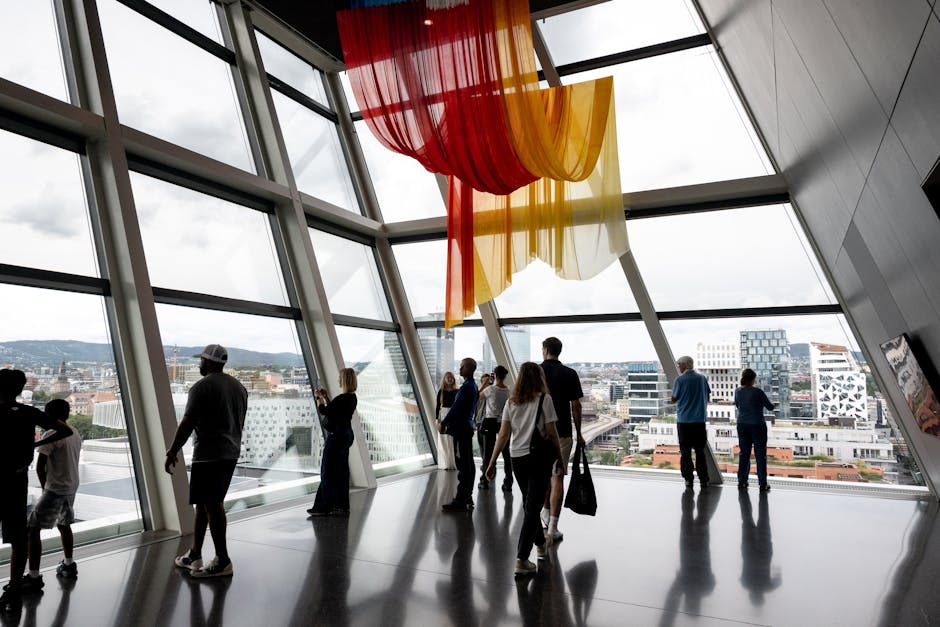
Oslo’s contemporary scene is defined by a strong interplay between institutional spaces and independent initiatives. The contrast is striking: on one side, museums like the National Museum (Nasjonalmuseet) and Astrup Fearnley (a private contemporary art museum on the Tjuvholmen waterfront) stage international shows and immaculately curated permanent collections; on the other, galleries such as Galleri Riis and Galleri Format champion emerging artists in more intimate settings. Between them, hybrid venues — Kunstnernes Hus, Hausmania, and the Vulkan studios — build bridges between performance, visual arts and design.
This guide also covers street art: some neighborhoods, especially Grünerløkka, Sofienberg and the banks along the Akerselva river, offer dynamic mural routes mixing large-scale pieces, paste-ups and ephemeral interventions. For curious visitors who want to try making art themselves, several workshops run beginner sessions in screen printing, collage or sculpture — a hands-on way to bring home a piece you made yourself.
Finally, you’ll find practical recommendations (prices in euros, current opening hours, logistical tips) and suggestions to optimize your art stay according to the seasons: best light for photography, closures to avoid, and how to combine cultural visits with cafés, galleries with waterfront walks.
Major Galleries and Museums You Shouldn’t Miss
To get a feel for Oslo’s current creative energy, start with the key institutions that shape the contemporary scene. Here are four emblematic places to visit, with addresses, prices and opening times. Note: prices are shown in euros as an approximate conversion; always check official sites for the latest info.
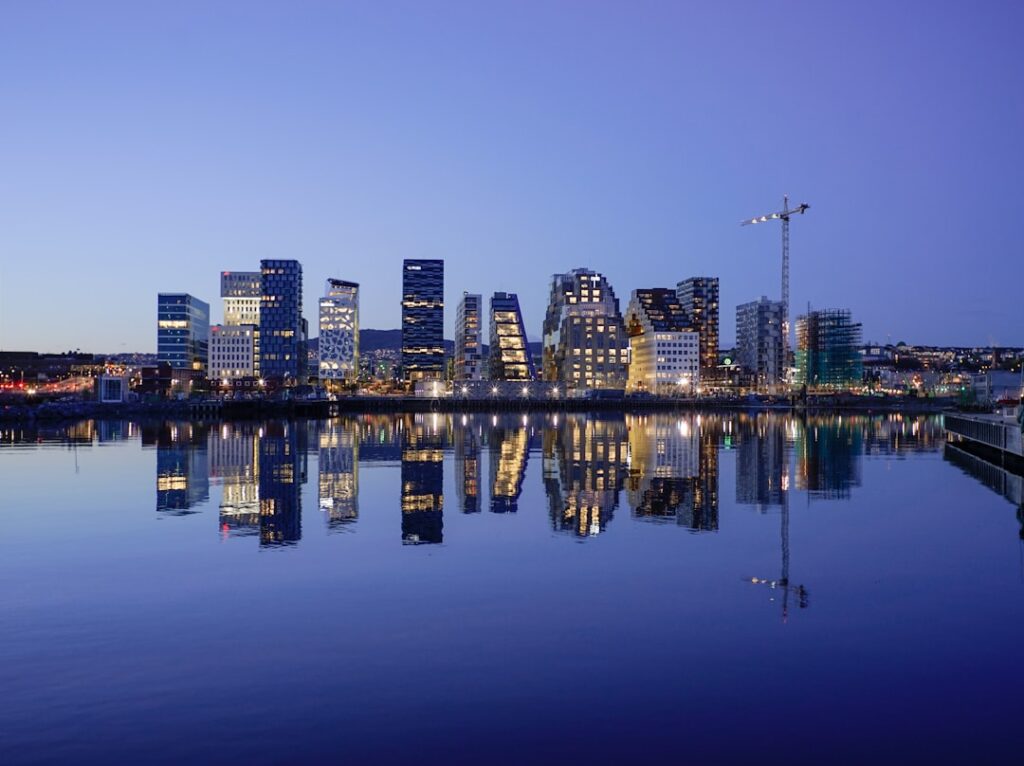
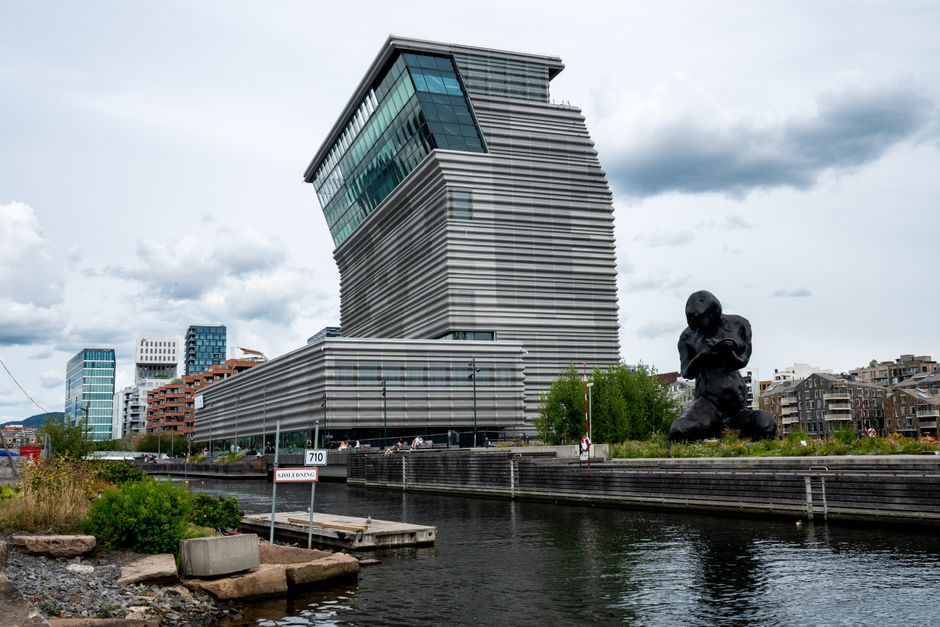
- Astrup Fearnley Museum — Address: Strandpromenaden 2, 0252 Oslo. Hours: Tue–Sun 10:00–17:00 (closed Monday). Price: roughly €12–€14 for a temporary exhibition (adults), free for under 18s. Description: located on the Tjuvholmen peninsula, Astrup Fearnley pairs striking architecture (Renzo Piano) with an international contemporary collection, focused on sculpture and large installations. The walk around the museum offers fjord views and outdoor sculptures. Local tip: arrive early to beat the crowds and catch the morning light on the outdoor works for photos.
- National Museum (Nasjonalmuseet) — Address: Universitetsgata 13, 0164 Oslo. Hours: Tue–Sun 10:00–18:00, Friday until 20:00. Price: about €16 for access to permanent and temporary exhibitions (adults), reduced rates for students/seniors; free on some Sundays — check the site. Description: recently consolidated in a modern building, the National Museum combines contemporary art, modern art and historical works, giving a rich context for understanding the development of Norwegian and international art. The contemporary galleries are well lit and ideal for large-scale and multimedia works.
- Kunstnernes Hus — Address: Wergelandsveien 17, 0167 Oslo. Hours: Wed–Sun 11:00–16:00 (varies with exhibitions). Entry: often free for exhibitions; some talks or events cost around €5–€10. Description: founded in 1920, Kunstnernes Hus is a historic center for promoting contemporary Norwegian artists. Exhibitions are frequently experimental, mixing installations, video and performance. Tip: check the calendar for openings—vernissages are great opportunities to meet artists and curators.
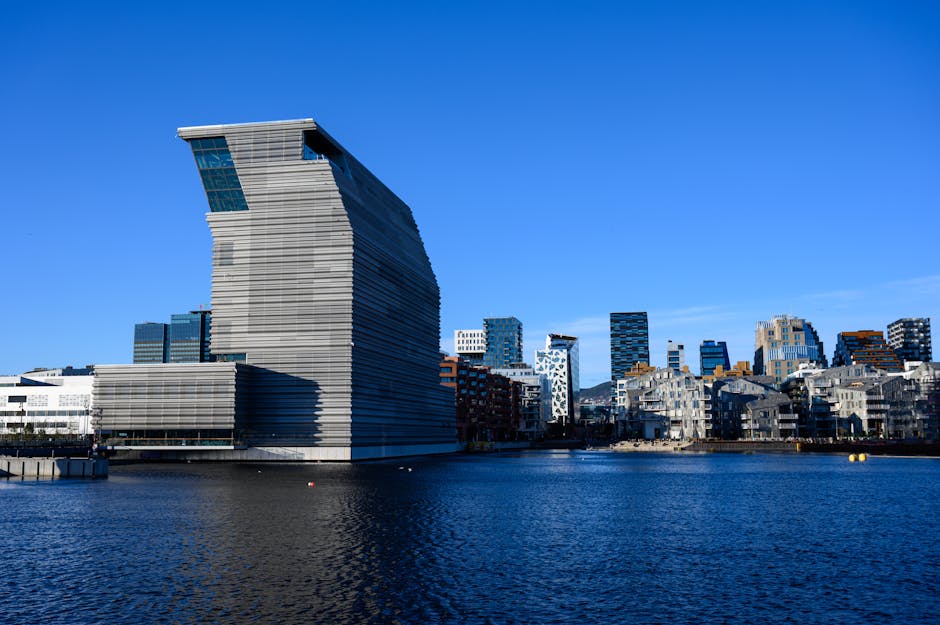
- Museum of Contemporary Art Oslo (Munch and adjacent contemporary programs) — Address: Sufficiently check local entries; many exhibitions rotate. Example: MUNCH (Edvard Munch museum) — located around Grünerløkka and Bjørvika — to complement a contemporary visit. Price: variable, often around €14–€18 for major exhibitions. Description: while centered on Munch, the museum also programs contemporary shows and crossover projects, offering a historical and critical perspective on Scandinavian contemporary art.
Practical tip: several of these museums offer combined tickets or Friday evening discounts. If you have a tourist pass (Oslo Pass), it may include entry to some museums — check the official list to save money.
Neighborhoods, Street Art and Outdoor Routes
Oslo’s street art reads like an open-air gallery. For a solid introduction, focus on three main zones: Grünerløkka, the Akerselva riverbanks and Tøyen/Sofienberg. These neighborhoods showcase murals, paste-ups, stencils and temporary installations, blending international aesthetics with local voices.
- Grünerløkka — Wander around Thorvald Meyers gate and Markveien. This area is a street-art hotspot with painted walls covering workshops, cafés and old factories. Highlights: stretches of murals along the Akerselva and the façades around the Blå area (Brenneriveien 9c, 0182 Oslo). Budget: free to explore; guided street art walks cost about €25–€30 per person for 90–120 minutes. Tip: plan a Saturday morning visit to catch artists at work and the local markets.
- Akerselva — Walk along the river between Nydalen and Grønland: bridges, converted mills and riverbanks act as huge canvases. Note: the areas around Vulkan and Mathallen host changing works. Combine a stroll with a coffee break at Vulkan Mathallen, then follow the river to spot murals locals love to photograph.
- Tøyen / Sofienberg — More residential, this sector features small-scale, thoughtful interventions. Look for paste-ups and stencil pieces, often more political or narrative, especially around Sofienbergparken.
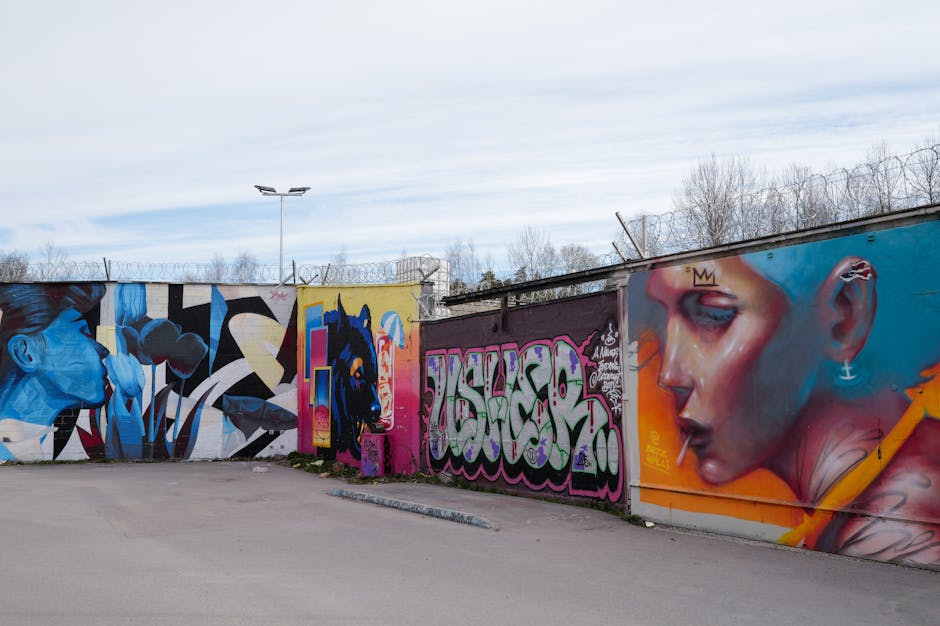
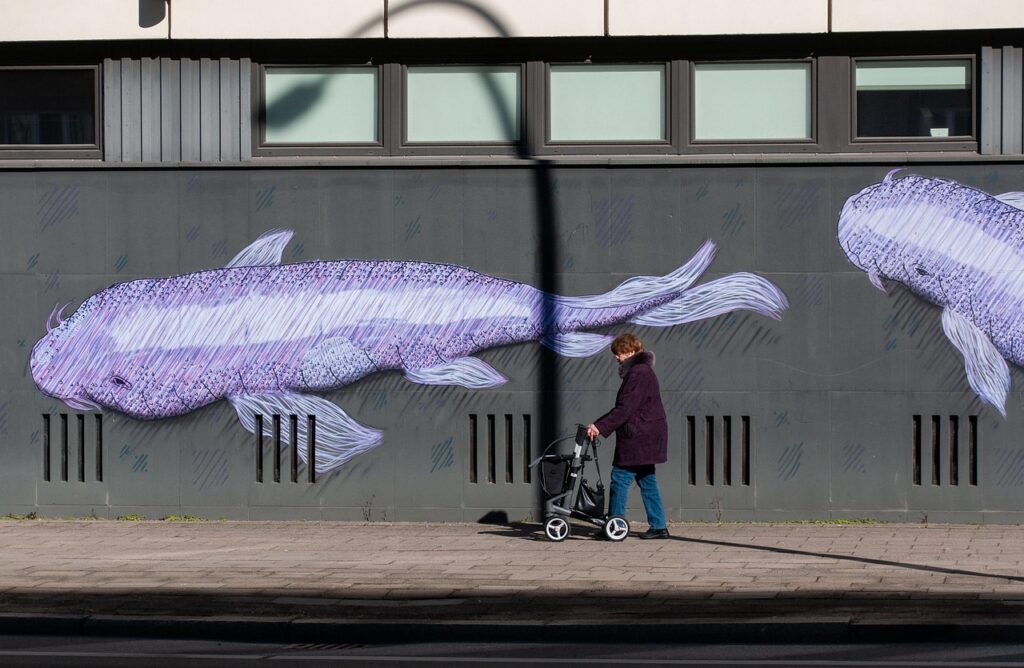
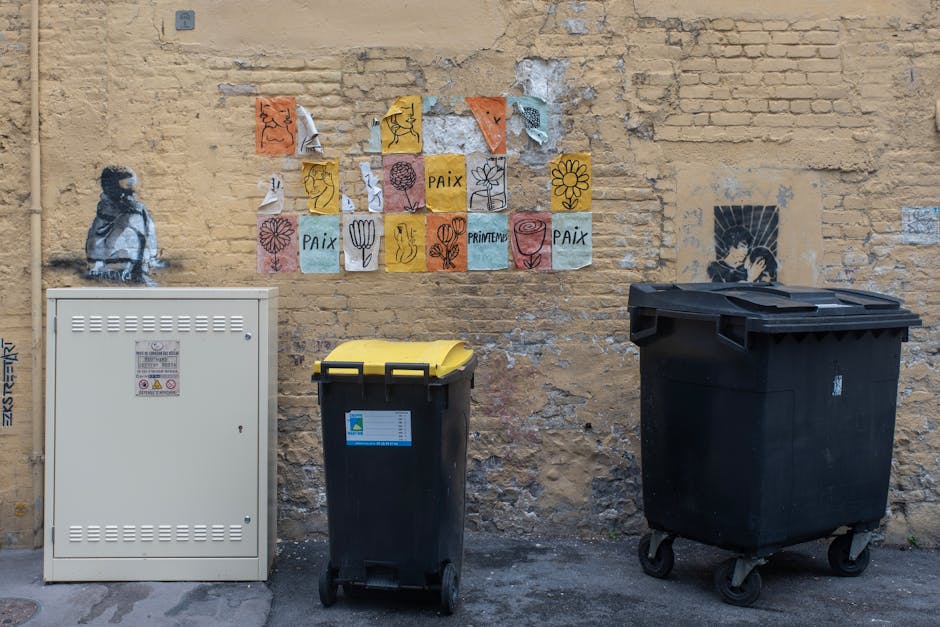
Photography tips for street art: bring a wide-angle lens and a portable battery, as Scandinavian light shifts quickly. Respect artists’ work: don’t touch pieces, avoid painting over them, and if you want to photograph artists in the act, ask first. Guided tours, usually in English, provide historical context and point out spots that are easy to miss.
Workshops, Residencies and Artist Spaces: Experiencing Creation Firsthand
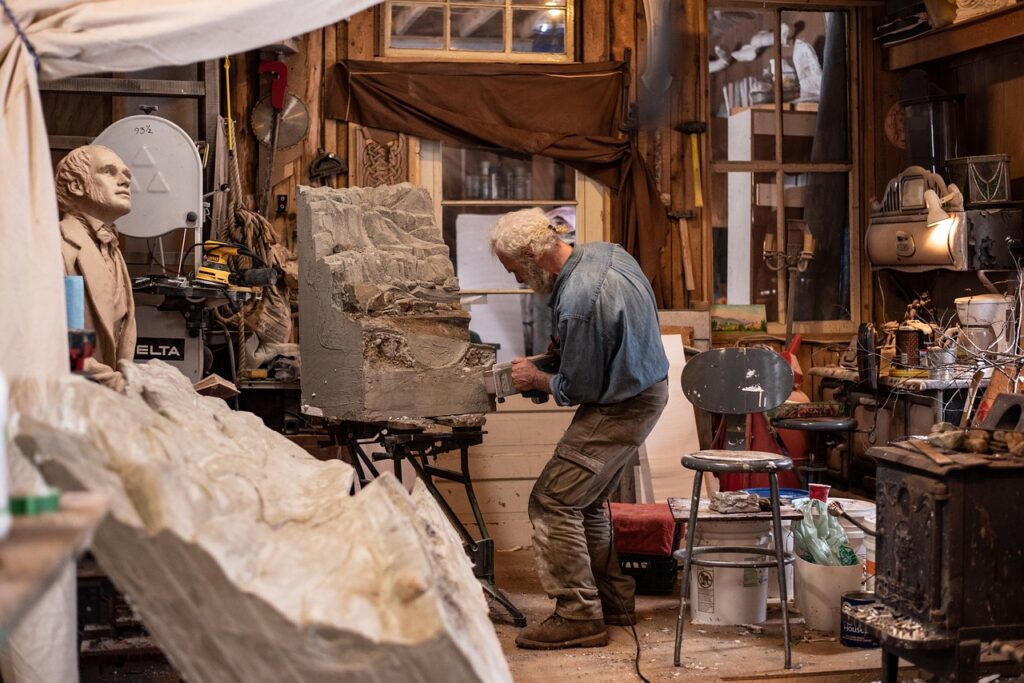
One of Oslo’s strengths is the relatively easy access to studios and artist spaces where you can watch the creative process or take part in hands-on sessions. Here are key venues and advice for getting there, with addresses and indicative prices.
- House of Foundation / Hausmania — Address: Trondheimsveien 5–7, 0560 Oslo (configuration spans parts of Oppsal/Centrum). Hours: autonomous spaces, workshops by appointment. Prices: group workshops (€30–€70 depending on length and materials), exhibition spaces free but events may cost (€5–€20). Description: Hausmania is an alternative cultural hub hosting studios, galleries and performance events. You’ll find screen printing, costume making, music and collaborative projects. Tip: check the online calendar to join an afternoon workshop or a vernissage.
- Vulkan / Art School and Studio Areas — Address: Maridalsveien 17 / Vulkanområdet, 0175 Oslo. Hours: studios by appointment; public areas around Vulkan Mathallen are open from early morning until late. Prices: paid workshops from €25 to €90 depending on length (intro to ceramics, screen printing, printmaking). Description: Vulkan hosts specialized studios in design and visual arts, plus the popular food hall Mathallen — perfect for a break between creative sessions. Booking is recommended, especially for ceramics classes which fill up quickly.
- Galleri Riis / Galleri Format (supporting emerging artists) — Addresses: Galleri Riis — Øvre Slottsgate 6B, 0157 Oslo; Galleri Format — Møllergata 12, 0179 Oslo. Hours: typically Tue–Sat 11:00–17:00 (vary by exhibition). Entry: free for most shows. Description: these private galleries support emerging Norwegian and international artists through exhibitions, short residencies and talks. Tips: look up openings (often Thursday evenings) to meet artists and gallery staff.
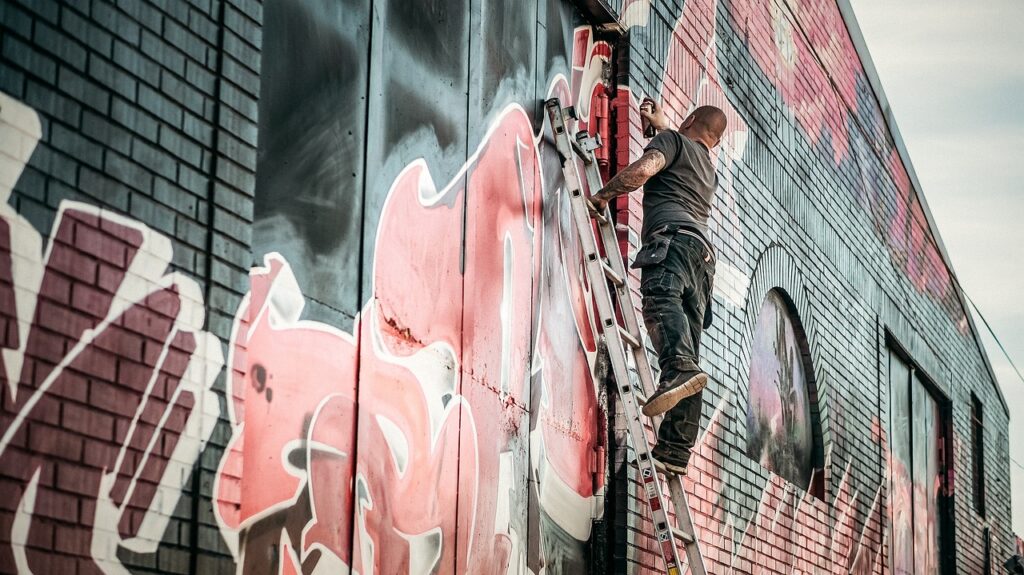
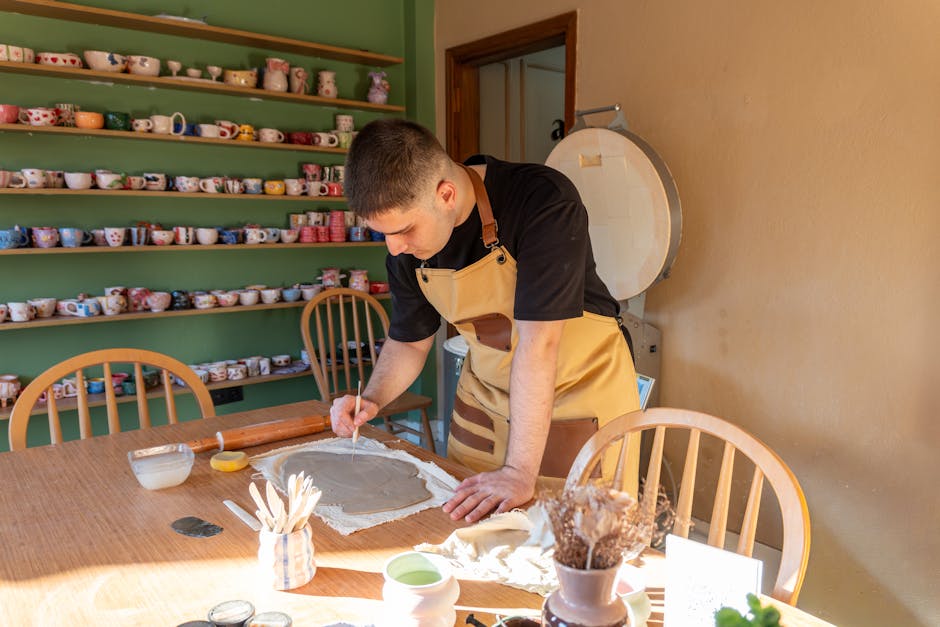
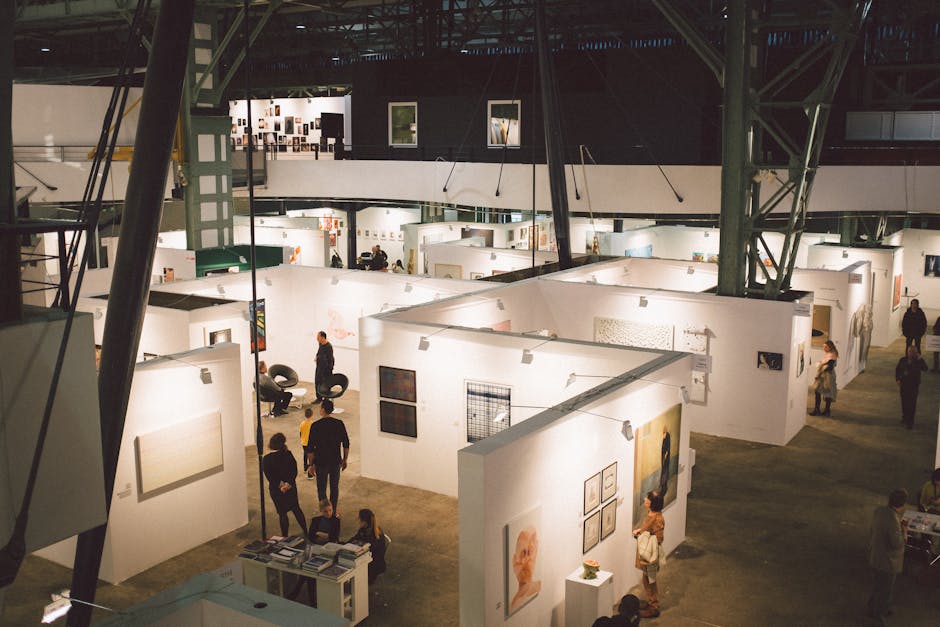
Joining a workshop gives unique insight into techniques, teaching approaches and local networks. To book, prioritize advance reservations via official websites or the studios’ Instagram pages. Prices sometimes include a small materials fee; for intensive ceramics or sculpture sessions, expect additional charges for firings or extra materials.
Conclusion: Practical Tips and Itineraries for a Successful Immersion
Exploring Oslo’s contemporary scene takes a bit of planning but pays off with meaningful encounters, strong visuals and a nuanced understanding of Scandinavian creation. For a first-time visit, I suggest a 24–48 hour itinerary: start with a morning at Astrup Fearnley on Tjuvholmen, lunch at Vulkan Mathallen, then an afternoon exploring the galleries in Sentrum and Grünerløkka. Save an evening for a vernissage at Galleri Riis or a concert/event at Blå (Brenneriveien 9c, 0182 Oslo) if schedules allow.
Budget-wise, plan for about €40–€70 per day for museum entries, small purchases and local transport (a tram/bus/metro ticket costs roughly €4–€4.5 per trip). Consider the Oslo Pass if you’ll visit multiple museums over 48 hours — it can be worth it. If you want to take a workshop, book at least a week ahead in high season (May–Sept) and two to three weeks for specialized courses (ceramics, printmaking).
Some local tips: choose morning light for photographing façades and outdoor sculptures; avoid Norwegian public holidays when some venues close; and carry a windproof jacket even in summer — the waterfront can be chilly. Above all, respect artists and spaces: don’t touch works and always ask permission before photographing an artist at work.
Oslo offers a dense and varied contemporary panorama: from large contemporary museums to intimate galleries, from Grünerløkka’s painted walls to Vulkan and Hausmania’s collaborative studios. The scene is both international and deeply rooted in local particularities — an invitation to return and follow the evolution of a city in the midst of a creative bloom.