




Introduction — Cultural Oslo: a city where museums, stories and landscapes meet
Oslo, Norway’s compact capital, is a place where nature and culture meet around every corner. Between a glittering fjord, generous green spaces and museums of international standing, the city offers a rich mix of experiences for curious travelers. This guide gives you a pragmatic, detailed approach to planning cultural visits in Oslo, clearly weighing the benefits of a tourist pass (like the Oslo Pass) against strategies for exploring without one. The goal: help you make informed choices, with exact addresses, euro prices, typical opening hours and local tips so your days are efficient and enjoyable.
Throughout these pages you’ll find immersive descriptions of must-see spots — museums, temporary exhibitions, architectural walks and historic sites — along with practical details: exact addresses, prices in euros (converted and rounded for easy reading), usual opening hours and tricks to avoid lines. Whether you’re into contemporary art (MUNCH), maritime history (Kon-Tiki, Fram), Scandinavian design (National Museum) or a free stroll among Gustav Vigeland’s sculptures, this guide will help you build a coherent itinerary that suits your pace and budget.
We’ll also cover the practical nuts and bolts of getting around (zones, tickets, trips to Bygdøy), the seasonality of openings and events, and local tips to make the most of your days — for example, the best times to visit a museum, where to grab a quick and good lunch, and how to combine nearby sites to save time. Finally, the guide compares different pass options and offers typical scenarios: a 24-hour blitz, a 2–3 day cultural route, or an à-la-carte plan for independent travelers.
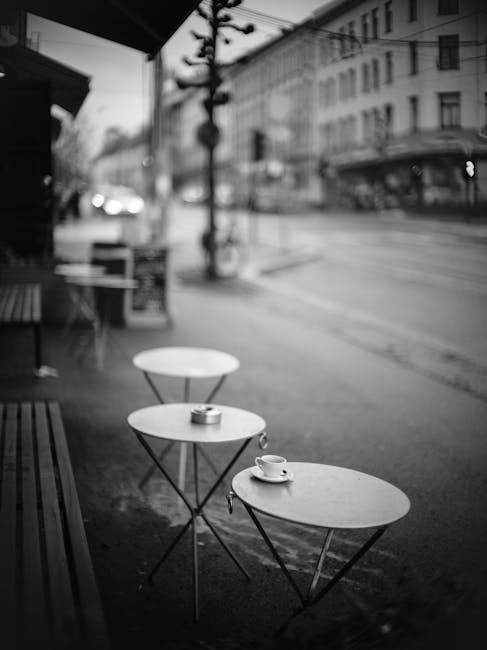
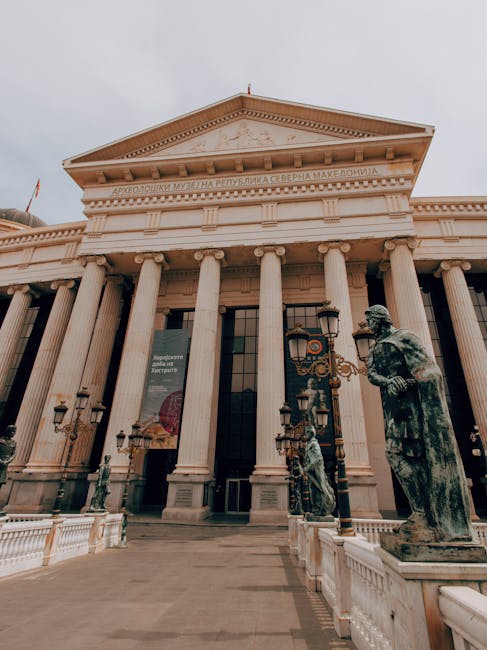
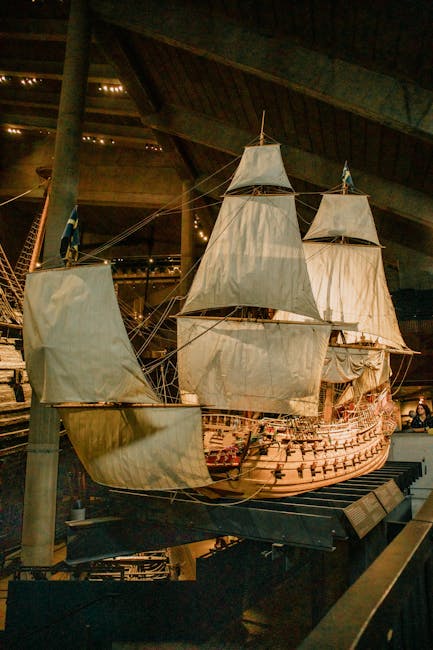
Visual anchors help you picture the city before you go: you’ll see markers 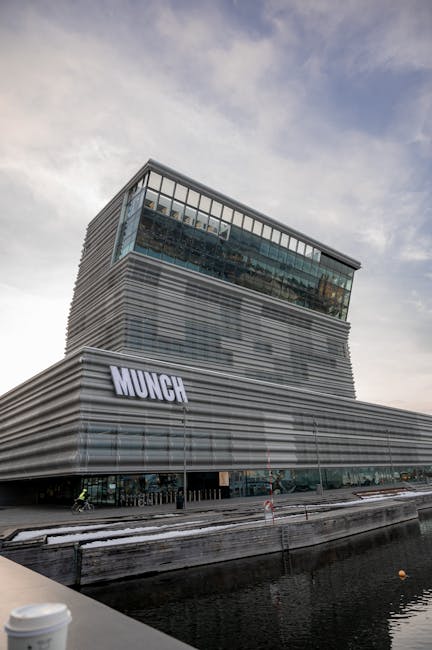 or
or 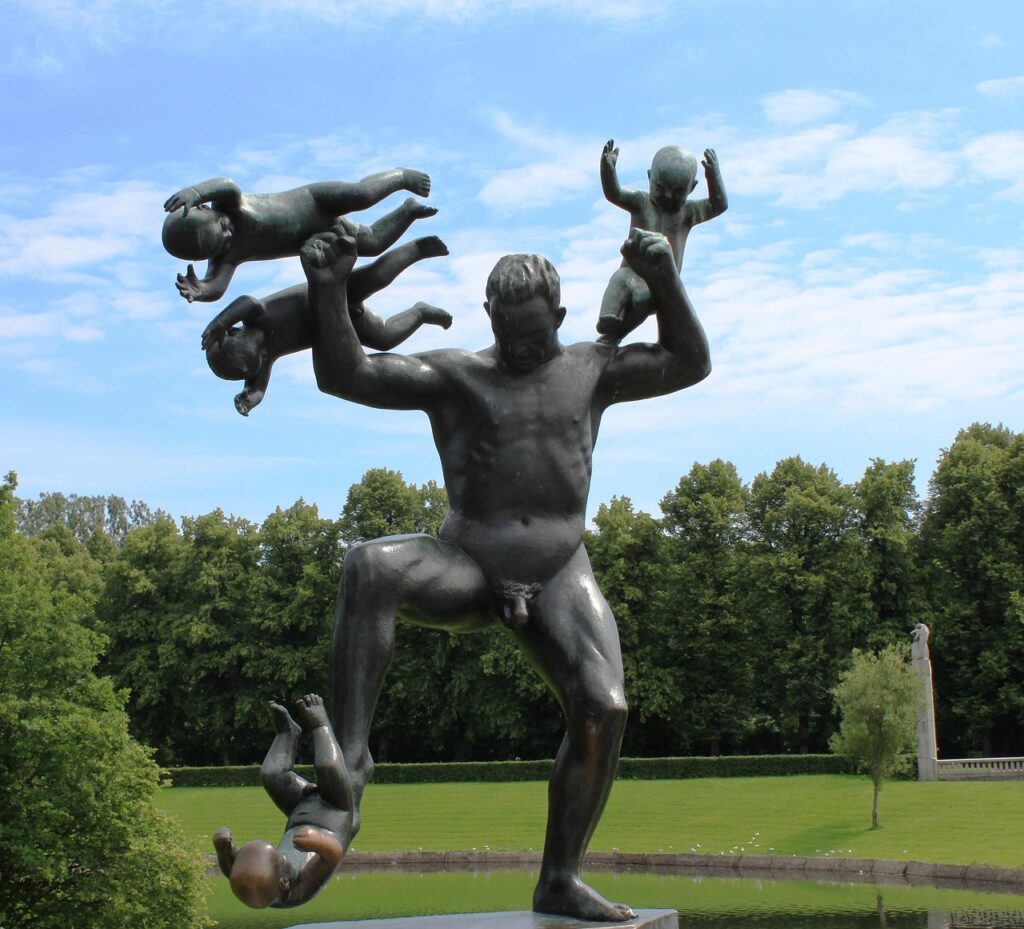 throughout the guide to illustrate the atmospheres. The suggested images aim for recognizable, concrete views (facades, sculptures, historic ships, fjord panoramas) so you can visualize each destination and better plan your photos and visits.
Get ready: whether you buy a pass or prefer to organize individual entries, Cultural Oslo rewards a methodical approach. The right choice depends on how long you stay, the sites you want to prioritize, and whether you prefer guided tours or exploring on your own. This guide gives you enough detail to decide confidently and to fully enjoy every moment in this bright, inventive city.
Cultural panorama: Oslo’s can’t-miss museums and sites
Oslo concentrates a rare number of top-level museums, often close to one another — especially on the Bygdøy peninsula and in the city center. Here’s a selection of must-see places, with addresses, approximate prices in euros, usual hours and immersive descriptions to help you prioritize.
-
National Museum (Nasjonalmuseet)
Address: Universitetsgata 13, 0164 Oslo.
Price: adult about €16 (permanent collections); reduced rates for students and seniors. Some temporary exhibitions may cost an extra €5–12.
Hours: typically 10:00–18:00 (often open until 20:00 on Thursdays). Closed on some public holidays — check before you go.
Description: The National Museum houses Norway’s largest collection of art, architecture and design. Rooms of Nordic works, impressionists and (when on display) Munch’s famous painting The Scream. The building’s bright interior architecture showcases paintings and design objects. Plan 2–3 hours for a good visit. -
MUNCH (Munch Museum)
Address: Edvard Munchs plass 1, 0194 Oslo (city center, new location).
Price: adult about €18; reduced tickets available. Temporary exhibitions vary, typically €6–15.
Hours: 10:00–18:00, Thursdays often until 20:00; occasional closures for events.
Description: Dedicated to Edvard Munch and modern art, with permanent collections and international temporary shows. The experience mixes light, sound and a chronological path. Very popular: arrive early or book online. -
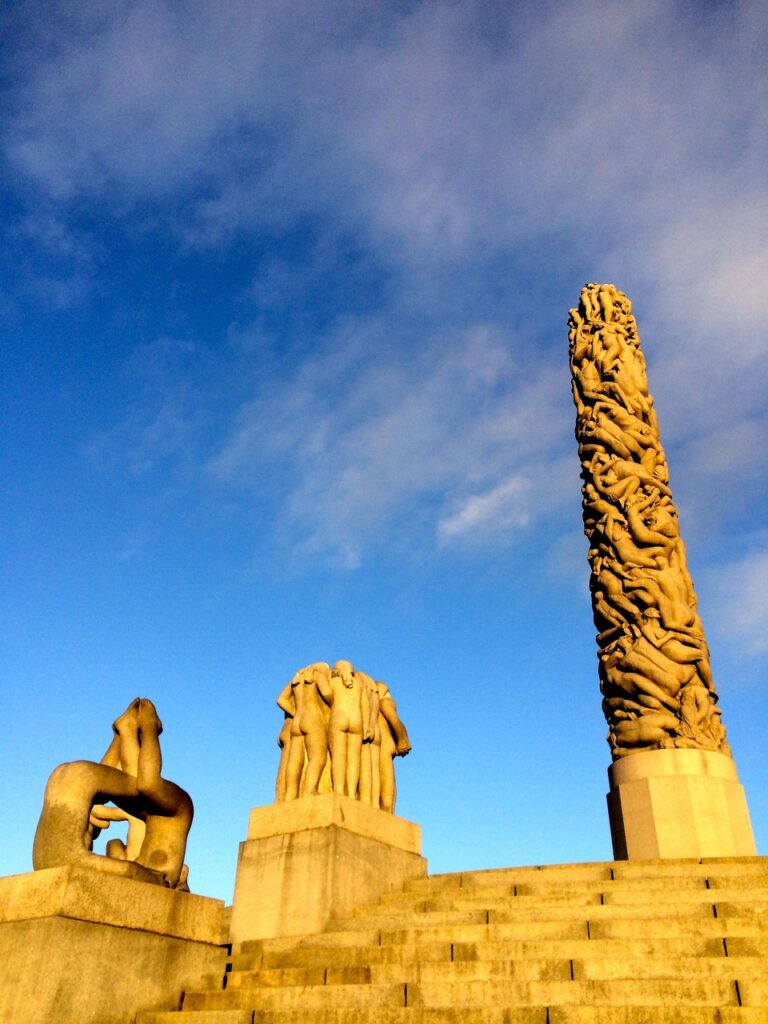
Vigeland Sculpture Park (Vigelandsparken)
Address: Nobels gate 32, 0268 Oslo (Frogner Park).
Price: free (public park).
Hours: park open year-round, 24/7; museums on site (Vigeland Museum) have separate hours.
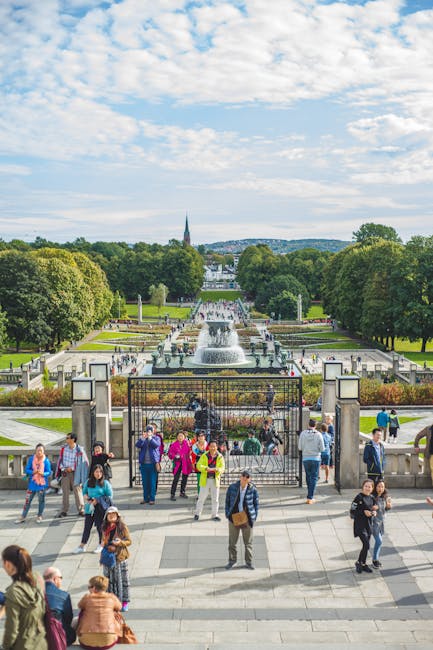
Description: Gustav Vigeland’s sculptural ensemble: nearly 200 bronze, granite and wrought-iron works. Central walk, fountains and the Monolith. Great for a 1–2 hour stroll and a picnic. Sunny mornings offer excellent light for photos. -
Fram Museum
Address: Bygdøynesveien 39, 0286 Oslo (Bygdøy peninsula).
Price: about €11 adult; combination tickets with Kon-Tiki often offered at a reduced rate.
Hours: 10:00–17:00 (varies by season; summer usually 10:00–18:00).
Description: Home of the famous polar ship Fram, built for Arctic expeditions. You can board the ship, feel the wood, explore the wheelhouse and learn about explorers’ lives. Very hands-on and family-friendly. -
Kon-Tiki Museum
Address: Bygdøynesveien 36, 0286 Oslo (near the Fram Museum).
Price: about €11 adult; reduced rates for students and children.
Hours: 10:00–17:00 (seasonal).
Description: Tells the story of Thor Heyerdahl’s expeditions, notably the Kon-Tiki raft. Original vessels on display, films and engaging narratives. Combine with Fram for a half-day on Bygdøy. -
Norsk Folkemuseum (Norwegian Museum of Cultural History)
Address: Museumsveien 10, 0287 Oslo (Bygdøy).
Price: about €13 adult; combined rates with other museums sometimes available.
Hours: 10:00–16:00 (varies in summer).
Description: An open-air museum with historic Norwegian houses, stave churches and reconstructed streets. A great immersion into traditional Norwegian life. Allow 2–3 hours. -
Oslo Opera House (Den Norske Opera & Ballett)
Address: Kirsten Flagstads Plass 1, 0150 Oslo (waterfront, Bjørvika).
Price: guided tours about €12; performance tickets vary (from €20 to several hundred depending on seat and show).
Hours: box office and tours often 09:00–17:00; performance times vary in the evenings.
Description: Walkable roof with fjord views. Remarkable modern architecture, a perfect spot for panoramic photos and to attend a performance. -
Akershus Fortress (Akershus Festning)
Address: Akershus Festning, 0150 Oslo (on the fjord, near the harbor).
Price: outdoor access free; entry to castle and interior museums about €8–12.
Hours: 10:00–16:00 (seasonal; fortress grounds accessible at all times).
Description: A medieval fortress overlooking the harbor. A mix of military history and views of the Opera and fjord. Ideal to combine with a waterfront walk.
Organizing visits with a pass: Oslo Pass and alternatives
Whether to buy a pass comes down to a balance between the cost of the sites you want to visit, the length of your stay and how much you’ll rely on public transport. The best-known option is the Oslo Pass, but there are also combo tickets for Bygdøy and specific passes for special exhibitions.
Oslo Pass — key features
- Forms and approximate prices (in euros): 24 hours ≈ €48, 48 hours ≈ €68, 72 hours ≈ €84. Reduced rates for youth and children.
- What’s covered: free entry to more than 30 museums and attractions (National Museum, Fram, Kon-Tiki, Norsk Folkemuseum, etc.), unlimited public transport within city zones (buses, trams, metro, some ferries), discounts for guided tours, restaurants and activities.
- Validity: starts at first validation; some attractions still require a reservation even with the pass.
When does the Oslo Pass pay off? If you plan to visit 3–4 paid museums in 24–48 hours and use public transport or the ferry to Bygdøy frequently, the Oslo Pass can be cost-effective. Concrete example: National Museum (€16) + MUNCH (€18) + Fram (€11) = €45; add travel and a few discounts and you’re approaching the price of a 24-hour pass, plus you get unlimited transport.
Alternatives to the full pass
- Bygdøy combo tickets: some tourist offices and museums offer combo deals (Fram+Kon-Tiki+Viking/Norsk Folkemuseum) at reduced rates (often €20–30 for two museums, seasonal).
- Buy individual museum tickets online: skip-the-line tickets for MUNCH or the National Museum (individual prices €12–18) may be better if you only plan to visit one or two major sites.
- Ruter transport cards: if your trip is mainly about getting around rather than museum-hopping, a day ticket (€8–10) may suffice.
Practical tips for using a pass
- Validate your pass at your first museum entry so you don’t waste time. Some attractions require time-slot reservations even with the pass — check conditions in advance.
- Plan visits by area: dedicate one day to Bygdøy (Fram, Kon-Tiki, Norsk Folkemuseum), another to the center (National Museum, MUNCH, Opera). This maximizes the pass value by cutting travel time.
- Check hours in low season: some museums reduce opening hours, which can make the pass less economical for short stays.

Visiting without a pass: how to optimize time, budget and local experiences
Exploring Oslo without a pass is perfectly doable — often more flexible and sometimes cheaper if you have clear priorities. Here’s a structured approach to building an economical, discovery-rich itinerary, plus practical tips:
1) Prioritize your must-sees
Make a short list (3–4 places) based on your interests: modern art (MUNCH), classic and design art (National Museum), maritime experiences (Fram, Kon-Tiki) or viewpoints (Opera, Akershus). Buying tickets à la carte means you won’t pay for attractions you won’t visit.
2) Mix free and paid sites
Alternate paid museums with free walks: Vigeland Park (free), public fjord ferry (Ruter ferry for local stops), walking on the Opera roof (free, though there can be a queue). Example of a no-pass day: morning at Vigeland Park and the Vigeland Museum if you want to go inside, lunch at Mathallen food hall (Vulkan), afternoon at the National Museum.
3) Buy online and use discounts
Many museums offer discounts for buying in advance online or last-minute rates outside high season. Also check European discount cards (student, senior) and local guided tours, which can sometimes be cheaper than individual entry fees.
4) Transport: small optimizations
A single Ruter ticket for Oslo zone costs about €3.8–4.2 (39–45 NOK depending on the app). A day ticket (Akershus/Oslo) is often cheaper if you plan multiple trips (≈€8–10). To reach Bygdøy use the public ferry (lines 91/92 in summer) or bus 30; the ferry is scenic and included in the ticket price.
5) Local tips
- Avoid peak museum hours (11:00–14:00); favor opening time or late afternoon.
- For very popular museums (MUNCH, National Museum), book a time slot online to avoid waiting and losing half a day.
- Meals: for a quick seaside lunch try Mathallen food hall (Vulkan, Maridalsveien 17, 0175 Oslo) or street food stalls near the harbor. A full meal at a mid-range restaurant typically costs €15–25.
Practical routes, transport and seasonal tips to make the most of your stay
To turn information into a concrete plan, here are suggested itineraries based on how long you stay, plus practical transport and weather advice.
Sample itinerary — 24 hours (express)
- Morning: National Museum (Universitetsgata 13, 0164 Oslo) — 2 hours. Arrive at opening (10:00) to beat the crowds.
- Noon: quick lunch at Aker Brygge (Stranden 3, 0250 Oslo) — lots of restaurant choices and fjord views.
- Afternoon: walk to the Oslo Opera House (Kirsten Flagstads Plass 1, 0150 Oslo), climb the roof, then visit Akershus Fortress (Akershus Festning, 0150 Oslo).
- Evening: a performance at the Opera (if available) or dinner around Solli plass depending on schedules.
Sample itinerary — 2–3 days (deep cultural dive)
- Day 1: Bygdøy — Fram Museum (Bygdøynesveien 39, 0286 Oslo), Kon-Tiki (Bygdøynesveien 36, 0286 Oslo), Norsk Folkemuseum (Museumsveien 10, 0287 Oslo). Use the ferry or bus 30. Lunch on Bygdøy or a picnic.
- Day 2: City center — National Museum (Universitetsgata 13), MUNCH (Edvard Munchs plass 1), stroll Aker Brygge and watch the sunset at the Opera.
- Day 3: Vigeland Park (Nobels gate 32), Vigeland Museum if desired, then explore Grünerløkka’s shops for Scandinavian design and its coffee scene.
Transport: concrete tips
- Single Ruter ticket (Oslo zone): ≈ €3.8–4.2; 24h ticket ≈ €8–10 (prices vary by app). Buy via the RuterBillett app or at kiosks.
- Ferry to Bygdøy: included in the Ruter ticket (check summer lines); the scenic option is recommended for fjord views.
- Taxis/Uber: pricier (center to Bygdøy ≈ €15–25 depending on traffic). Prefer bus/ferry for a local feel and savings.
- Bike sharing: available and handy in summer for short trips (hourly rates vary ≈ €2–4).
Seasonality and weather
Oslo has distinct seasons: summer (June–August) brings long days and busier museums; spring and autumn are great for fewer crowds and changing colors; winter offers a true Nordic atmosphere but some places may reduce hours. In winter check museum schedules (sometimes delayed openings) and favor indoor exhibitions and local food to make up for short daylight hours.
Final practical tips
- Plan your days by neighborhood to minimize travel time.
- Buy tickets online for MUNCH and the National Museum on busy days.
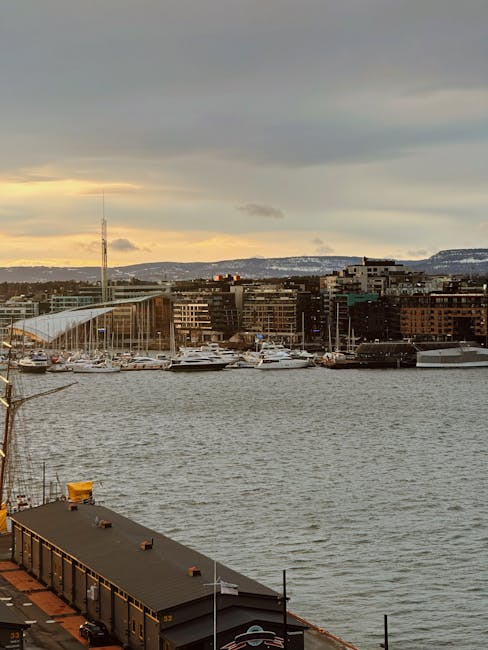
- Photographers: plan morning or late-afternoon slots for the most flattering light on the fjord and sculptures.
- Keep a plastic or digital card and some change for small purchases (coffee, paid toilets, occasional transport).
Conclusion — Choose the option that fits you
Oslo offers a rare balance between museum richness and outdoor experiences. Choosing between a pass (Oslo Pass) and pay-as-you-go visits comes down to your pace, trip length and cultural priorities. If you plan many paid visits and heavy use of public transport, the Oslo Pass can save time and money and simplify logistics. But for short stays focused on one or two major museums, or for travelers who prefer a slower, selective discovery, buying individual tickets and planning by neighborhood often makes more sense.
This guide has given you practical, detailed information: exact addresses (National Museum — Universitetsgata 13; MUNCH — Edvard Munchs plass 1; Fram Museum — Bygdøynesveien 39; Kon-Tiki — Bygdøynesveien 36; Norsk Folkemuseum — Museumsveien 10; Opera — Kirsten Flagstads Plass 1; Vigeland Park — Nobels gate 32), indicative prices in euros, typical hours and local tips. In practice, remember a few simple rules: plan by areas, book online for popular museums, alternate indoor activities with free walks, and always check seasonal opening times before your visit.
Finally, don’t forget the essential: the best cultural visit is the one you take time to enjoy. Oslo invites thoughtful wandering: let the fjord, the quays, the small galleries and the cafés guide you, and pause to savor Norwegian cuisine. With the right organization — pass or no pass — you’ll leave with striking images, intertwined historical and contemporary stories, and the feeling you’ve discovered a city where culture is accessible, alive and framed by generous nature.