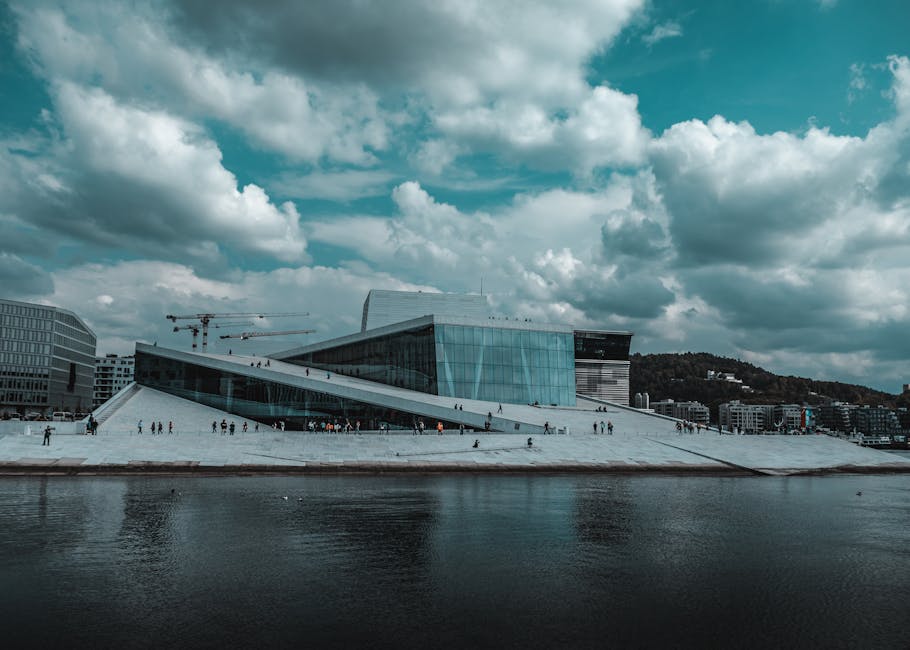






Introduction — Visiting Oslo’s Museums with Kids: a Practical, Playful Guide
Oslo is a compact, green capital packed with museums that are great for families. From polar ships and traditional houses to hands-on science exhibits and modern art, the city offers lots of ways to spark kids’ curiosity and make museum days manageable and fun. This comprehensive guide, aimed at parents and caregivers, outlines the museums, gives exact addresses, typical opening hours, approximate prices in euros (for reference), plus playful activity ideas and practical tips to help you have a successful day in Oslo with children.
Many of Oslo’s museums are clustered in areas that are easy to reach by public transport or ferry: the Bygdøy peninsula hosts several maritime and ethnographic museums, while the city center and Tjuvholmen offer contemporary art and interactive experiences. Families can build short itineraries or fill a whole day depending on kids’ ages and the weather. This guide focuses on hands-on experiences: treasure hunts, workshops, kids’ quizzes, sensory trails and outdoor spaces for running and play between visits.
You’ll find practical details here: full addresses (for your GPS), typical opening hours (which can vary by season), indicative prices converted to euros (museums charge in Norwegian kroner — NOK — so we give euro estimates to make things easier), and local tips like where to eat, stroller-friendly routes, and how to book time slots to avoid queues. Descriptions emphasize the immersive qualities of each place: smelling the wood in traditional houses, boarding a polar expedition ship, handling old machines or marveling at colorful canvases.
Whether you’re in town for a few days or longer, this guide will help you plan visits suited to your children’s ages, keep a family-friendly pace and turn every museum into an educational playground. Each section ends with playful ideas and local tips to get the most out of your visit.
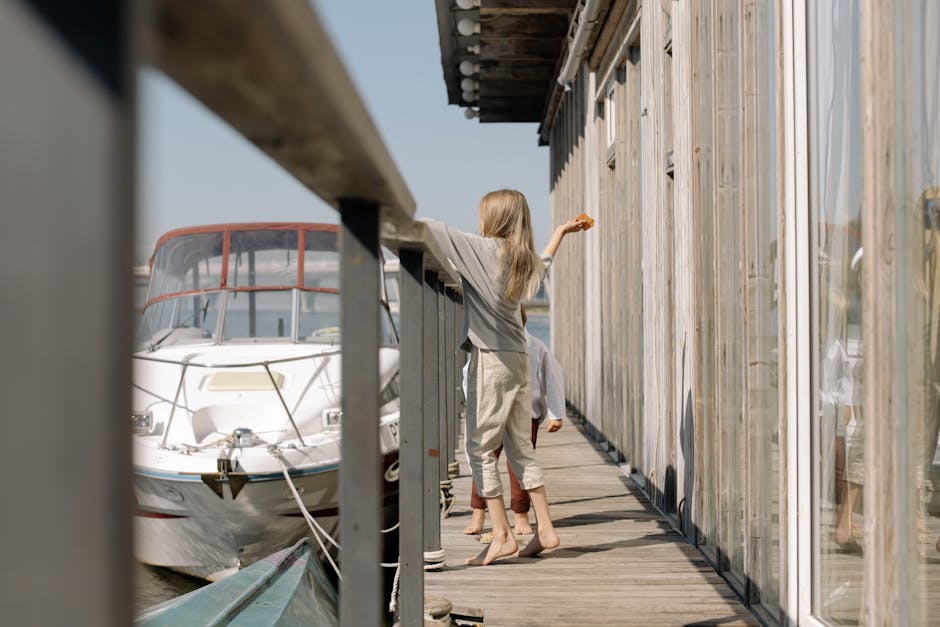
Bygdøy: Boats, Polar Exploration and Norwegian Traditions (Fram, Kon-Tiki, Norsk Folkemuseum)
Bygdøy is a museum peninsula west of Oslo’s center — perfect for a family day: a ferry ride, outdoor spaces and several museums within walking distance. Three family favorites deserve special attention: the Fram Museum (Frammuseet), the Kon-Tiki Museum (Kon-Tiki Museet) and the Norsk Folkemuseum (Norwegian Museum of Cultural History). Each offers a different kind of immersion — polar expeditions, maritime adventures and traditional Norwegian houses.
Fram Museum — Address: Bygdøynesveien 39, 0286 Oslo. Opening hours: usually 10:00–17:00 (hours can vary in summer). Price: adult NOK 140 (≈ €12), student/youth NOK 100 (≈ €8.5), children often free or reduced — check online. Description: the Fram, the famous polar ship, is displayed inside a hall where you can actually climb aboard. Kids love exploring the cabins, learning about life on expedition and interacting with panels about cold, navigation and explorers’ lives.
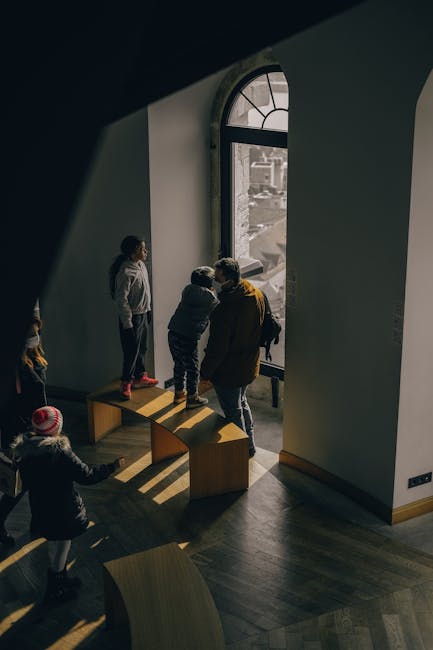
Kon-Tiki Museum — Address: Bygdøynesveien 36, 0286 Oslo. Opening hours: 10:00–16:00/17:00 depending on season. Price: adult NOK 120 (≈ €10.5), reduced rates for children; combo tickets with Fram may be available. Description: the Kon-Tiki raft and the expedition stories make a perfect adventure-themed visit for 7–12 year-olds. Interactive rooms, screenings and reconstructions let children imagine themselves as Pacific explorers.
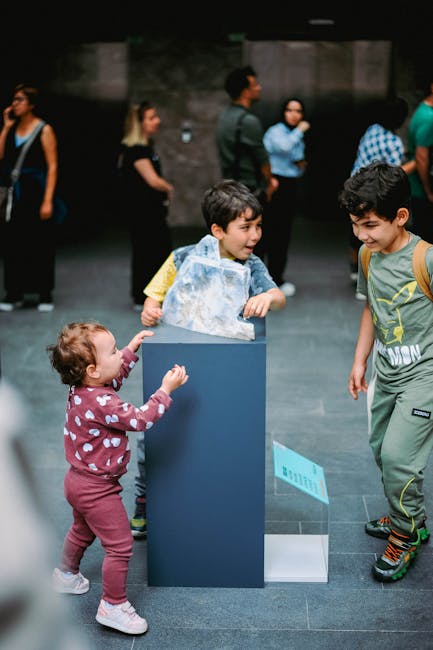
Norsk Folkemuseum (Norwegian Museum of Cultural History) — Address: Museumsveien 10, 0287 Oslo. Opening hours: often 10:00–17:00 (longer hours in summer). Price: adult NOK 160 (≈ €14), student/youth NOK 120 (≈ €10.5), children free or cheaper. Description: this open-air museum has over 150 historical buildings, including a wooden stave church (Gol stave church). Children can go inside real old houses, touch historical toys and take part in traditional workshops (making spinning tops, painting on wood). The outdoor space is ideal for burning off energy between visits.
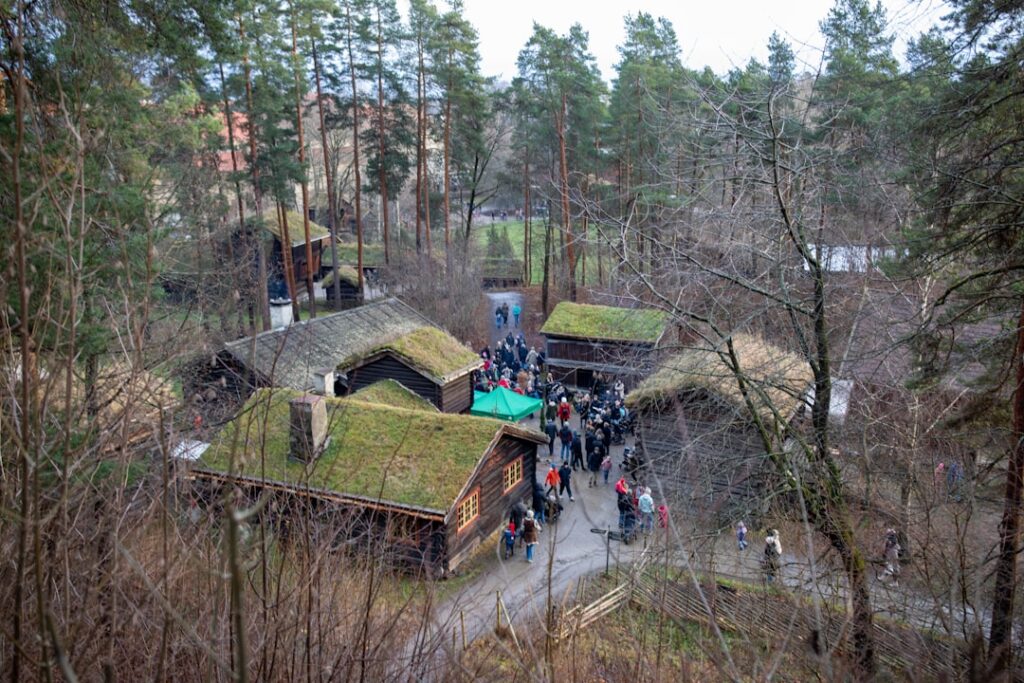
Playful and logistical tips for Bygdøy:
- Short routes: combine Fram and Kon-Tiki in the morning (they’re close) then picnic on the lawn at the Folkemuseum for lunch.
- Treasure hunt: print a list before your visit of items to find (a cabin, a ship’s wheel, a rocking chair, a traditional costume); reward the kids with an ice cream by the harbor.
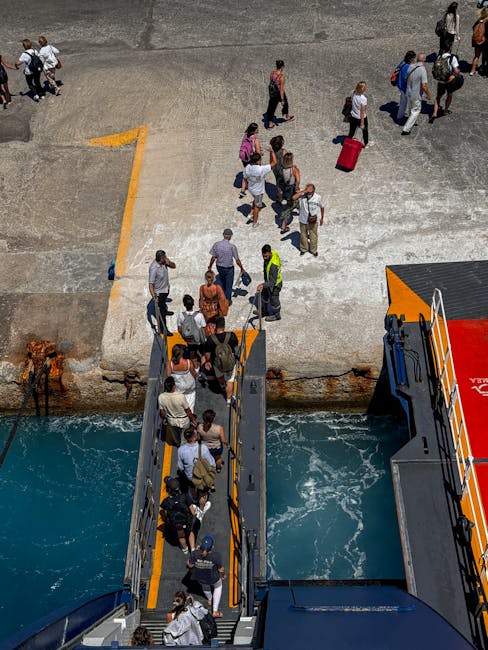
- Getting there: take the ferry from the center (Rådhusbrygge 3): it’s pleasant and child-friendly; check departure times and buy tickets on board or via Ruter.
- Strollers and access: the Folkemuseum has cobbled areas and slopes — an all-terrain stroller is recommended; Fram and Kon-Tiki have ramp access but some spaces are narrow.
Science and Nature: Norsk Teknisk Museum and the Natural History Museum for Curious Kids
If your family loves touching, experimenting and running around, Oslo’s science and natural history museums are unmissable. The Norsk Teknisk Museum (Norwegian Museum of Science and Technology) offers interactive exhibits on technology, energy, transport and the human body; the Natural History Museum (Naturhistorisk museum), which includes the dinosaur gallery, natural history exhibits and the botanical garden, will delight little explorers.
Norsk Teknisk Museum — Address: Kjelsåsveien 143, 0491 Oslo. Opening hours: typically 10:00–16:00 (check specific days). Price: adult NOK 150 (≈ €13), reduced rates for students/youth, children often reduced or free depending on age. Description: the museum is built to be hands-on: simple electrical circuits, flight simulators, bridge-building workshops and safe chemistry experiments. The « barnas » (kids’) area offers challenges geared to 4–10 year-olds. The museum regularly runs workshops in Norwegian and English; book ahead for popular sessions.
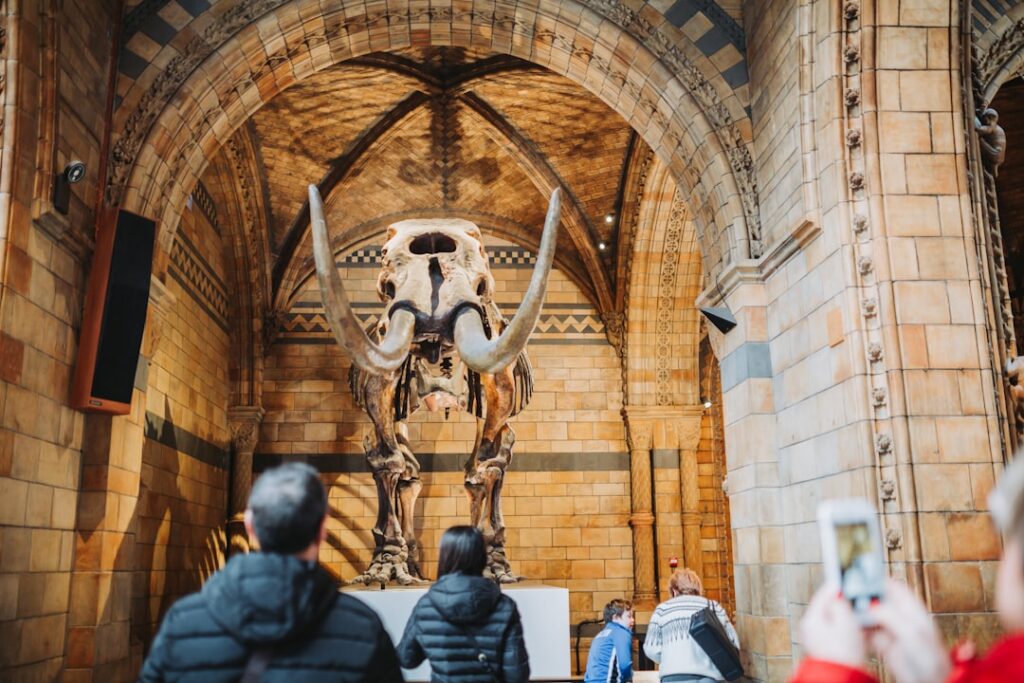
Natural History Museum (Naturhistorisk museum, University of Oslo) — Address: Sars’ gate 1, 0562 Oslo (Tøyen/Botanisk hage). Opening hours: usually 10:00–16:00; the botanical garden stays open longer and is often free. Price: indoor exhibitions for adults around NOK 120–160 (≈ €10–€14), reduced for children; access to the botanical gardens is free. Description: dinosaur skeletons, dioramas of Scandinavian wildlife, mineral collections and botanical garden paths mix indoor and outdoor discovery. Kids love looking for insects, visiting the tropical greenhouse and joining paleontology workshops with simulated digs.
Practical tips:
- Book workshops: science museums often have limited-space workshops — reserve online in the morning to secure afternoon spots.
- Picnic and breaks: the botanical garden next to the Natural History Museum is a great place to pause and let kids run.
- Ideal duration: plan 2–3 hours at the Norsk Teknisk Museum (more if you join workshops) and 1.5–2 hours at the Natural History Museum if you include the garden.
- Accessibility: most areas are stroller-friendly, though some historic rooms or dioramas may have stairs.
Art and Creativity with Kids: MUNCH, Astrup Fearnley and Hands-On Art Activities
Contemporary and modern art can feel intimidating to children, but Oslo has venues where the experience becomes playful and sensory. MUNCH and the Astrup Fearnley Museum (Museet på Tjuvholmen) combine striking architecture, colorful works and outdoor spaces where kids can play and learn. Both museums offer family tours and workshops to introduce young visitors to art.
MUNCH (MUNCH) — Address: Edvard Munchs plass 1, 0194 Oslo. Opening hours: generally 10:00–18:00, sometimes later on weekends. Price: adult NOK 190 (≈ €16), reduced rates for students/youth, children often free up to a certain age; check ticketing for special exhibitions. Description: the new MUNCH building features interactive exhibits and family programs. Child-focused galleries include creative activities, kid-friendly audio guides and playful trails to explore color, emotions and painting techniques.
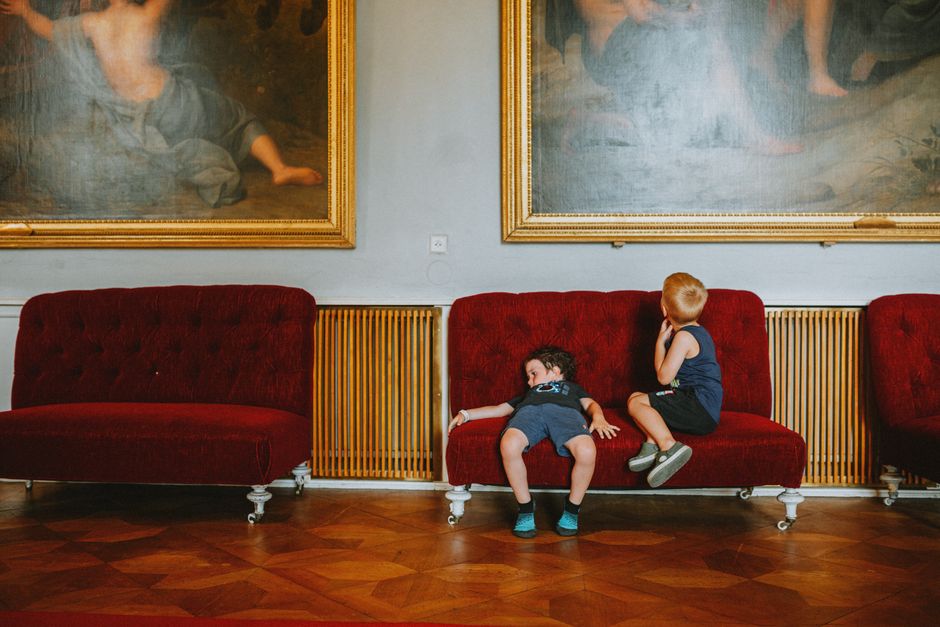
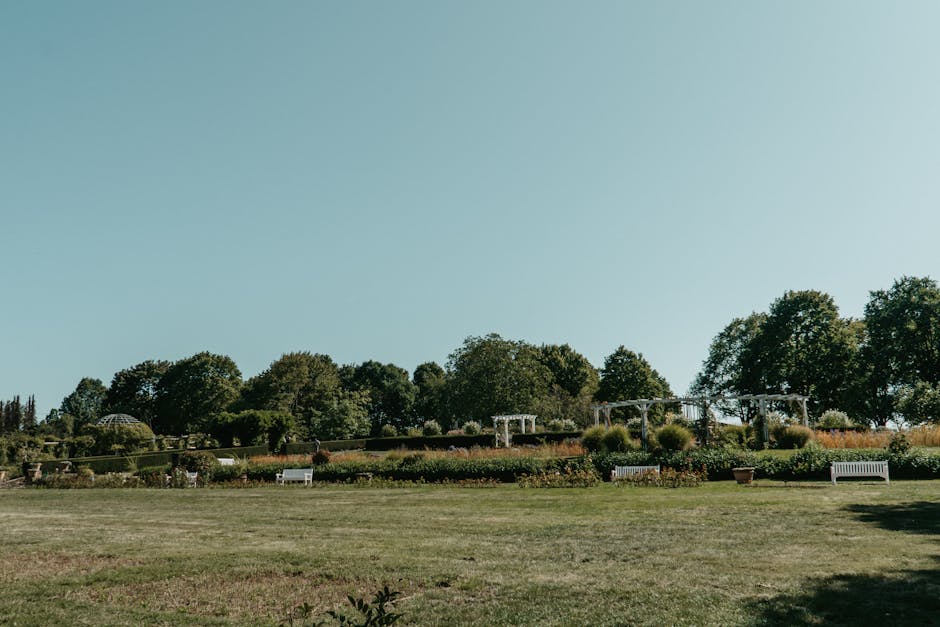
Astrup Fearnley Museum — Address: Strandpromenaden 2, 0252 Oslo (Tjuvholmen). Opening hours: usually 11:00–17:00 (check before you go). Price: adult NOK 140–160 (≈ €12–€14), youth reductions; very young children sometimes free. Description: set on the waterfront, this contemporary art museum is loved for its modern architecture and waterside promenade. The sculpture park and Tjuvholmen’s little beach give kids space to run; children’s workshops often focus on sculpture and drawing.
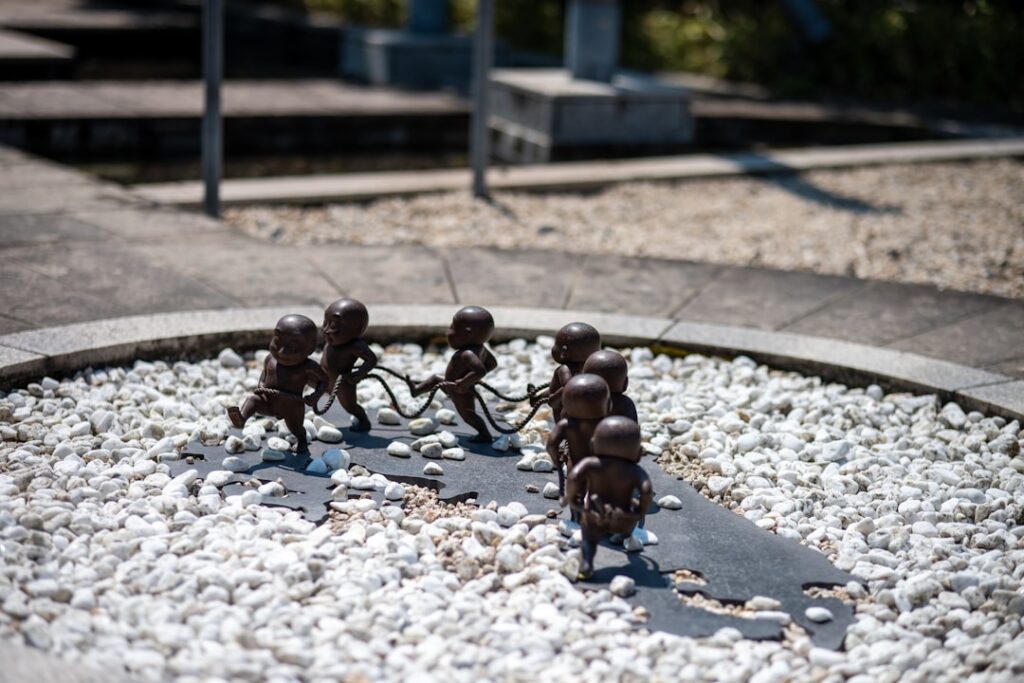
Creative activity ideas:
- Art sketchbook workshop: give each child a small sketchbook and pencil to draw a piece that « speaks » to them. At the end, share the drawings and ask why they picked those colors.
- Emotion trail: at MUNCH, guide kids to identify emotions in paintings (joy, anger, surprise) and ask them to mimic those expressions for photos.
- Nature sculpture: after Astrup, gather small natural items (pebbles, twigs) and run a mini collage workshop on thick paper.
- Snack break: Tjuvholmen has several family-friendly cafés — opt for warm snacks and comforting drinks after your visit.
Final Practical Tips: Transport, Eating, Booking and Family Etiquette
To wrap up, here’s a handy summary of local tips and practical advice to make your museum visits in Oslo with kids as smooth as possible. Oslo is a very safe, family-friendly city, but a few tricks will help you avoid stress and queues.
Transport:
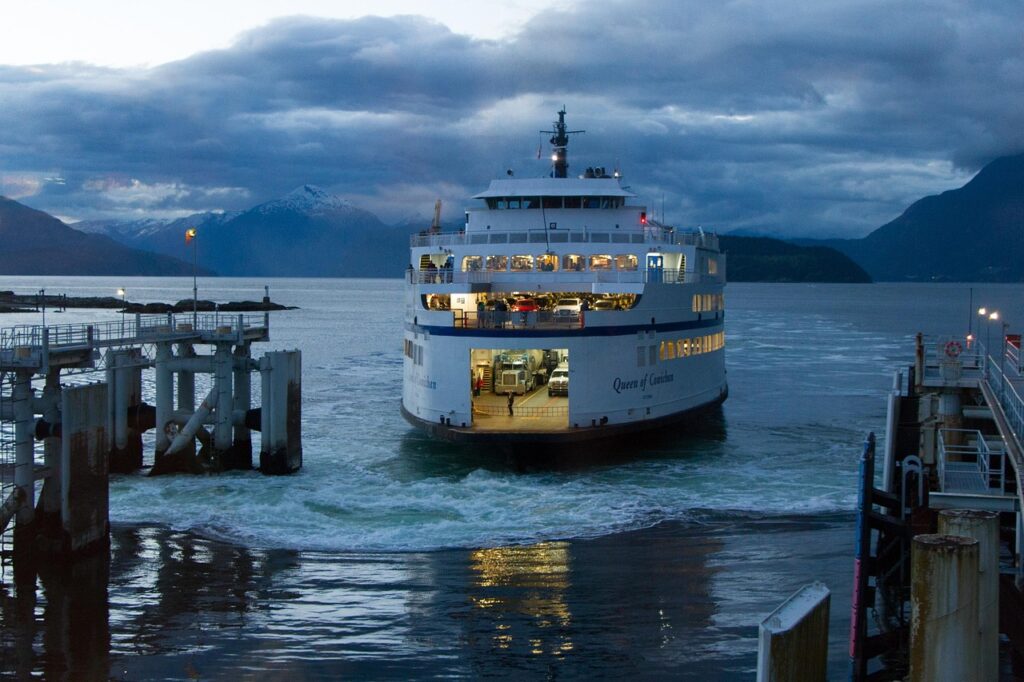
- Ferry and buses: the ferry to Bygdøy leaves from Rådhusbrygge (central piers). Ruter buses and trams serve most museums — buy tickets via the Ruter app or ticket machines. Consider daily passes if you plan multiple trips.
- Travel time: expect 15–30 minutes from the center to Bygdøy (by ferry), 20–30 minutes to Kjelsås (Norsk Teknisk Museum) and 10–20 minutes to Tjuvholmen/MUNCH.
Food and breaks:
- Use museum cafés: many offer kids’ menus and high chairs. The Norsk Folkemuseum has several cafés and picnic areas in summer.
- Healthy snacks: always carry snacks and a water bottle for impromptu pauses — queues and transit can take longer than expected.
Booking and tickets:
- Book online: for Fram, Kon-Tiki, MUNCH and some Norsk Teknisk Museum workshops, booking ahead saves waiting time. Combined tickets (Fram+Kon-Tiki) sometimes offer savings.
- Variable hours: opening times change by season and exhibition; check official sites before you go.
Behavior and safety:
- Kids’ pace: alternate indoor exhibits with outdoor activities to avoid overtired children. Limit each visit to 1.5–3 hours depending on age.
- Toilets and changing facilities: spot toilets and baby-change areas as you enter — family-friendly museums usually have good facilities.
- Photography: most museums allow photos without flash; follow any special rules for temporary exhibitions.
Following these tips will turn Oslo’s museums into a string of educational, playful adventures, where every stop is an opportunity to learn through fun. Allow extra time, tailor the schedule to your children’s energy, and don’t forget to enjoy the breaks: an ice cream by the harbor, a game in the botanical garden or a photo aboard the Fram will become lasting memories.
Conclusion — Oslo’s Museums: Learning Through Play, Day After Day
Oslo offers a range of museums perfectly suited to families, combining heritage, science, nature and contemporary art. With smart planning (booking time slots, alternating indoor and outdoor activities, taking regular breaks) each visit can become a memorable, educational experience for children. The Bygdøy museums (Fram, Kon-Tiki, Norsk Folkemuseum) deliver maritime and historical adventures kids can touch and explore; the Norsk Teknisk Museum and the Natural History Museum spark scientific curiosity and a love of nature; MUNCH and Astrup Fearnley introduce young visitors to artistic expression and aesthetic enjoyment.
Beyond the exhibits, think about small practical details: bring snacks, check stroller access, book workshops and use outdoor spaces to let kids burn energy. Use playful tools — observation notebooks, treasure hunts, mini-workshops — to turn the visit into a game. Always adapt visit length to your children’s age and energy: two short, focused visits are often better than a museum marathon that leaves everyone exhausted. Oslo is lucky to be a place where art, science and nature meet easily — use that to discover, learn and make family memories.
Happy exploring — and remember that the best guide is your children’s sense of wonder: follow their pace, ask open questions and let them surprise you. Oslo’s museums are ready to welcome your family curiosity.