





Introduction: Oslo on foot and by bike — a city best discovered slowly
Oslo, Norway’s compact, green capital, is perfect for exploring on foot and by bike. Between the fjord, parks, museums and modern neighborhoods, the city offers a variety of routes that suit leisurely walkers as well as urban cyclists wanting a mix of culture, food and scenery. This article is a practical, detailed guide for visitors: it lays out routes, gives exact addresses, opening hours, prices in euros and local tips to help you make the most of your days in Oslo.
What makes Oslo special is its concentration: many top attractions line the waterfront and pedestrian streets, with well-designed bike lanes that make it easy to hop from a museum to a park. Walking lets you slip into historic areas like the Royal Palace and Karl Johans gate, while cycling saves time for reaching Bygdøy and its maritime museums or for following the fjord out to Holmenkollen. The city is also very welcoming to pedestrians: wide sidewalks, pedestrian zones and plentiful benches mean spontaneous stops are pleasant.
In this guide you’ll find essential and complementary routes, tailored to different paces: half-day walking tours, full-day bike loops, bike rental recommendations, and practical info (prices, hours and addresses). I also include safety tips, tricks for avoiding rush hours and food suggestions to refuel along the way.
This guide is aimed at visitors who want an immersive Oslo experience: sensory descriptions of places, photo tips and practical markers (water points, public toilets and bike repair stations). Whether you have two days or a week, these routes will help you set your own pace and see Oslo from a fresh perspective — from the white stone roof of the Opera House to the wide lawns of Vigeland, via the lively quays of Aker Brygge and the seaside museums of Bygdøy.
1) Urban walking tour: Royal Palace to the waterfront (route ~4 km, 3 hours)
Start your stroll at the Royal Palace (Det Kongelige Slott), address: Slottsplassen, 0010 Oslo. The palace gardens are open to the public and make for a gentle introduction to the city. The guards are free to watch; it’s a great spot for morning photos. From there, walk down the wide avenue Karl Johans gate, a pedestrian thoroughfare lined with shops, cafés and historic buildings. Karl Johans gate stretches between the central station and the Royal Palace — perfect for soaking up city life.
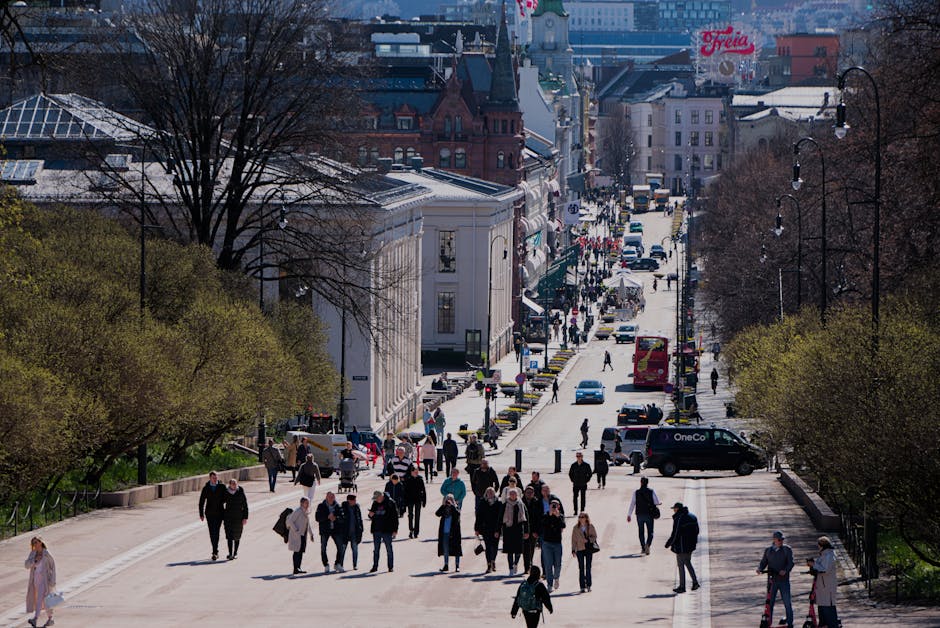
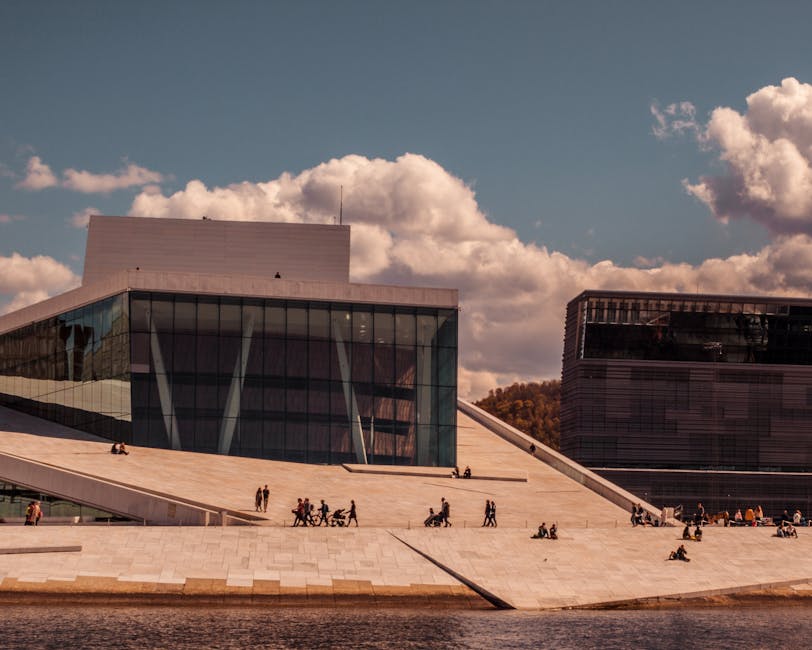
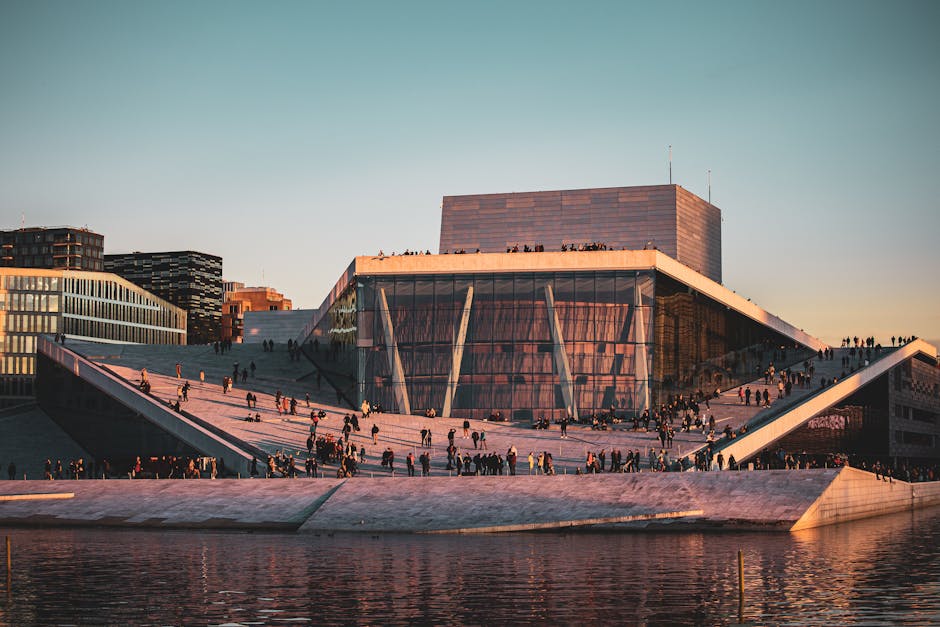
On Karl Johans, stop by the University of Oslo (Universitetet i Oslo), Universitetsgata 1, 0164 Oslo, for its architecture and green spaces. Continue toward the central station (Oslo S) then cross over to the quay district where the Oslo Opera House (Operahuset) stands, Kirsten Flagstads Plass 1, 0150 Oslo. The Opera’s sloping white stone roof is walkable and offers panoramic views of the fjord and boats. Outdoor access is free and open 24/7; guided interior tours generally run Hours: daily 10:00–16:00 (subject to schedule), Approx. price: ~€12–15 for an interior tour.
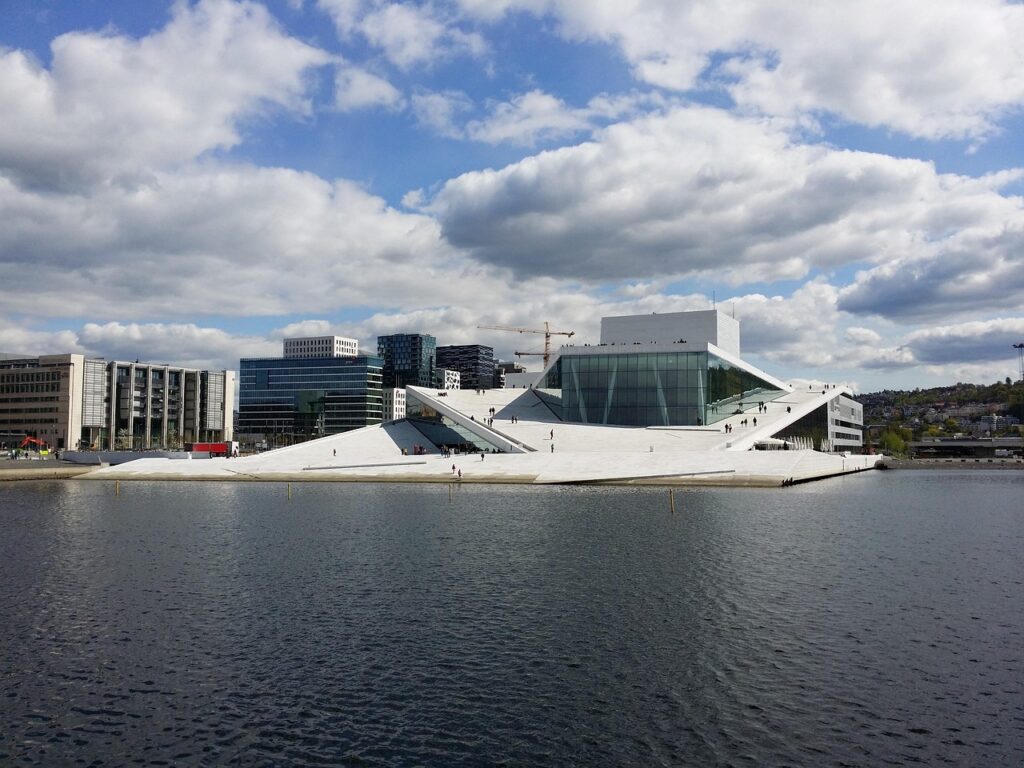
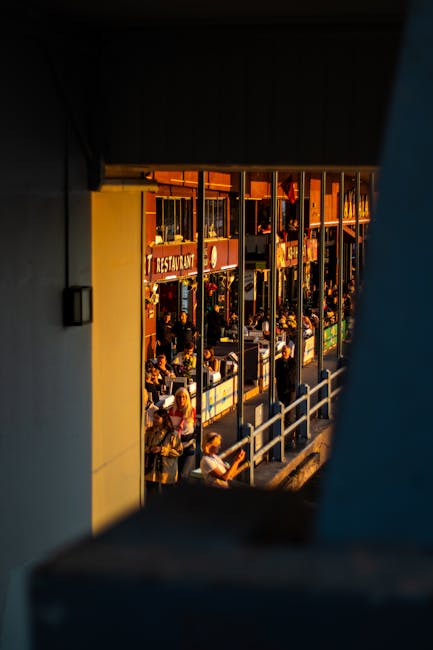
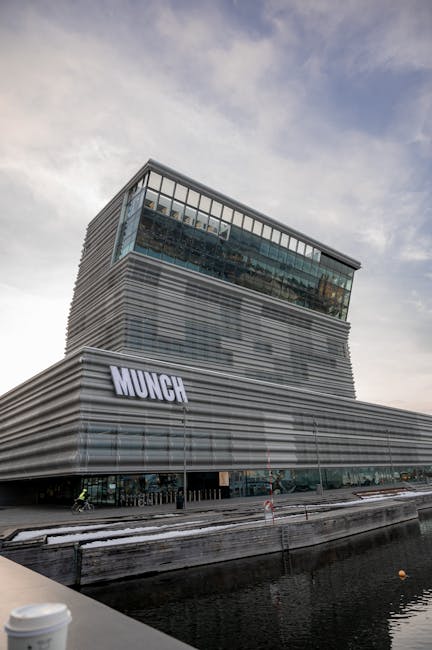
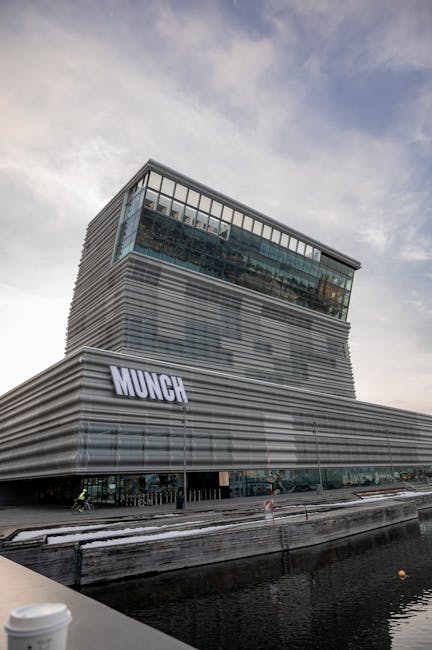
From the Opera, follow the harbor promenade to Aker Brygge (Bryggetorget 4, 0250 Oslo), a lively pedestrian area with restaurants, bars and shops. It’s an ideal lunch spot; expect main course prices around €15–25 in a mid-range restaurant, more at higher-end places. Local tip: pick a table by the quay late in the afternoon to enjoy the fjord sunset. After Aker Brygge, head to Tjuvholmen for art galleries and modern sculpture, then finish at the Munch Museum if you’re into art (address: Edvard Munchs plass 1, 0194 Oslo — check the opening hours before you go).
Practical info: public toilets and water fountains are available along the promenade; carry some cash for small cafés (though cards are widely accepted). Wear comfortable shoes — paved surfaces and steps appear along the way. Avoid the busiest times (12:00–14:00 and 17:00–19:00) if you want photos without crowds.
2) Bike loop along the fjord: Aker Brygge → Bygdøy → Huk (route ~18 km, 4–6 hours)
For a beautiful day on two wheels, rent a bike and head from Aker Brygge to Bygdøy, the peninsula known for its seaside museums. Recommended route: Aker Brygge (Bryggetorget 4, 0250 Oslo) → Rådhusbrygge → cycle along the fjord → Bygdøy (ferry or bike via the path) → Huk Beach → return the same way or take the coastal road back.
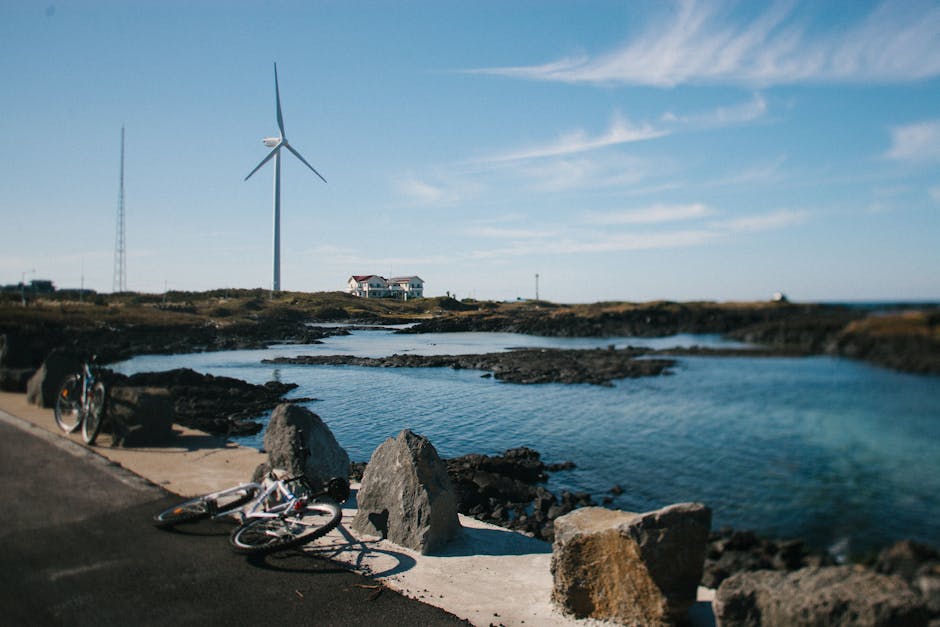
Bike rentals: Oslo Bysykkel (city bikes) — stations are scattered across the city (24h pass approx. €8–10, first hour often included, then €1–2/15 minutes); or private shops like Oslo Bikerental, Approx. address: Dronningens gate 19, 0152 Oslo, day rental ~€20–30 depending on model. Tip: book in high season (June–August). Helmets are available for rent (~€2–4/day). Prices fluctuate; check online the day before.
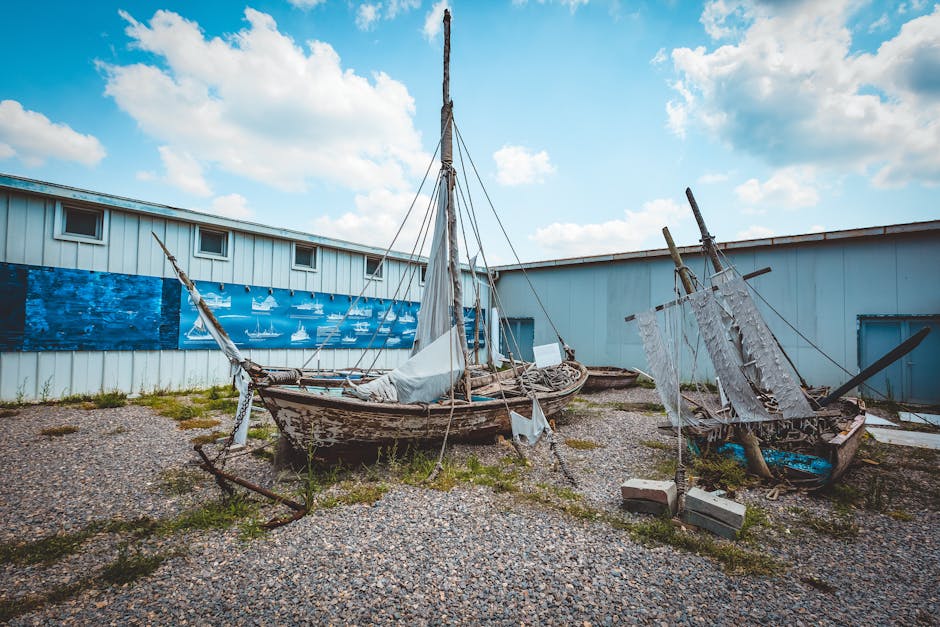
On the coastal bike path you’ll pass photogenic scenes: fishing boats, views of the fjord’s islands and small urban beaches. When you reach Bygdøy, you’ll find several notable museums: the Norwegian Museum of Cultural History (Norsk Folkemuseum) (Museumsveien 10, 0287 Oslo), the Fram Museum (Huk Aveny 35, 0287 Oslo) and the Kon-Tiki Museum (Bygdøynesveien 36, 0286 Oslo). Hours: most open 10:00–17:00 (seasonal variations). Approx. prices: museum entry €10–15 each; combo tickets sometimes available (€20–25).
Continue to Huk Beach (Hukodden), a popular beach at the western tip of Bygdøy, perfect for a picnic and a swim if the weather allows. There are lawns and outdoor showers. Bring bike locks to secure your bike if you go into a museum.
Return: you can take the ferry from Bygdøy back to Aker Brygge (schedules vary, generally 08:00–20:00 in summer; one-way fare ~€4–6) or cycle back along the path. Local tips: keep to the right, respect bike lanes and pedestrians; watch out for children and joggers in parks. If the weather turns, the museums make great indoor alternatives.
3) Park and sculpture: Vigeland Park and surroundings on foot (route ~3 km, 2–3 hours)
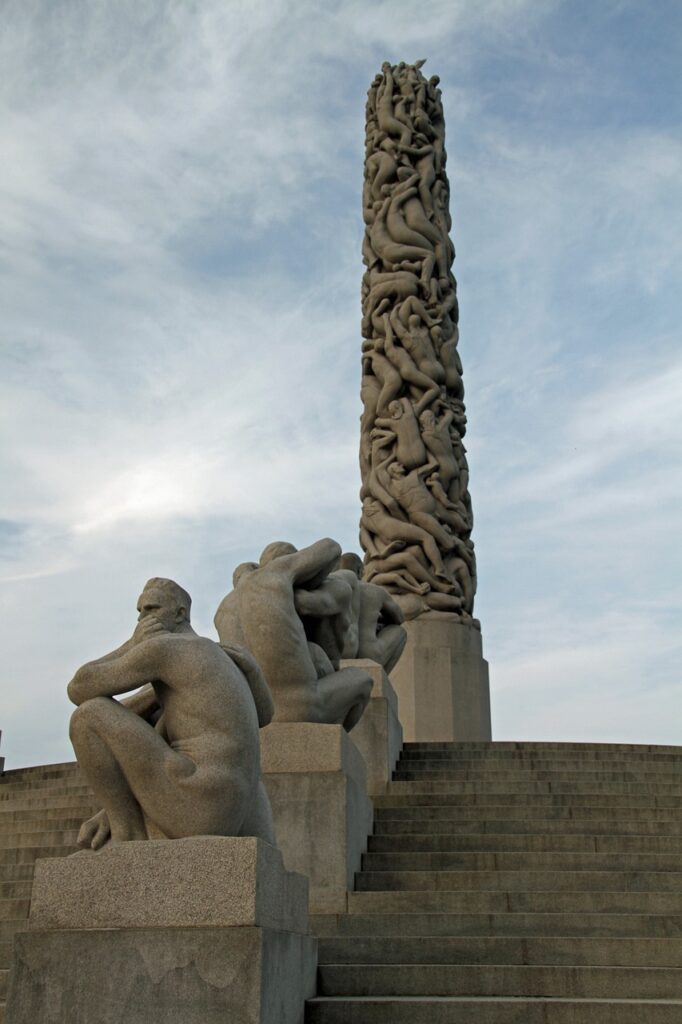
Vigeland Park, officially Vigelandsparken (Frognerparken), is a must for a contemplative walk. Main address for the Vigeland Museum: Nobels gate 32, 0268 Oslo. The park itself is free and open 24/7 and covers several hectares. It contains more than 200 bronze and granite sculptures by Gustav Vigeland.
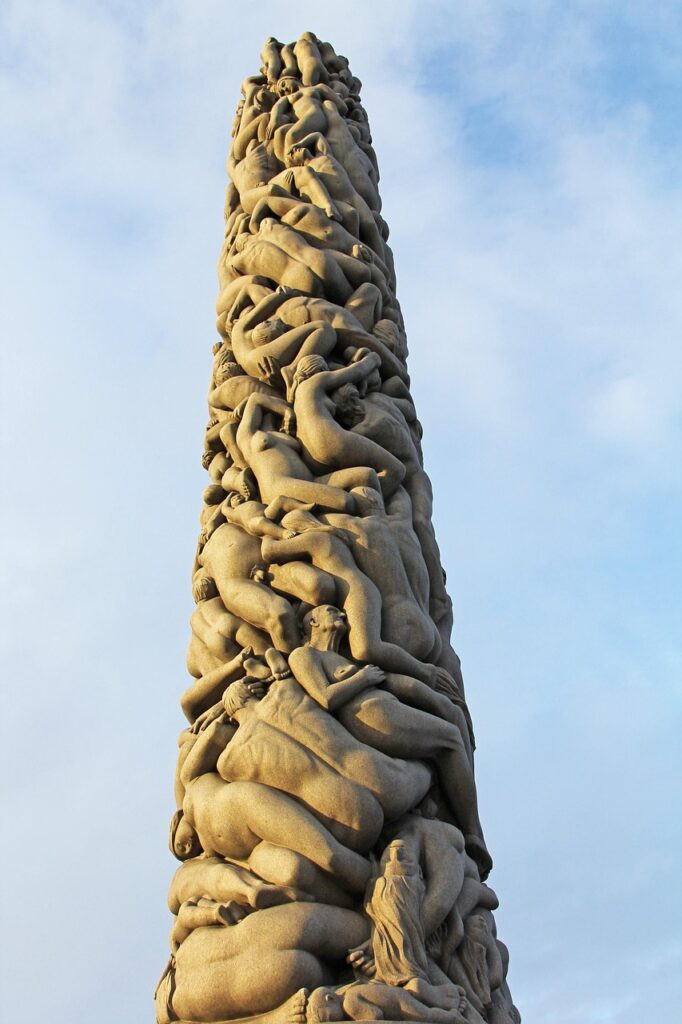
Start at the Main Gate (Vigeland Sculpture Park) and walk toward the Monolith Plateau, where the central column of intertwined figures makes a powerful focal point for photos and reflection. The park also offers lawns for picnics, shaded paths and fountains. The adjacent museum (Vigeland Museum) provides historical and artistic context on Vigeland’s work.
Vigeland Museum hours: generally 10:00–16:00; Price: around €10 (reduced rates available). The park is free. Tips: arrive early to avoid tourist buses (especially in summer). The most impressive pieces — the Monolith and Sinnataggen (the little angry boy in bronze) — attract crowds; take time to view them from different angles and look closely at the sculpted expressions.
Around the park, explore the Frogner neighborhood, with its elegant townhouses and cozy cafés. For lunch after your visit, try a local café on Bygdøy allé (nearby avenue); dishes around €12–18. If you’re cycling, the paths around the park are well marked and lead to the waterfront in 15–20 minutes.
Practical: toilets and water points are at the main entrance and near the museum. There are no bike storage rooms in the park, so lock bikes to racks or leave them at your hotel. In winter, some paths can be slippery — wear shoes with good grip.
4) Cultural bike route: from Munch to Grünerløkka (route ~10 km, 3 hours)
This urban route blends modern art, trendy cafés and a bohemian vibe. Start at the Munch Museum (Edvard Munchs plass 1, 0194 Oslo) or downtown, then head northeast toward the lively Grünerløkka neighborhood. Grünerløkka is Oslo’s trendy quarter, known for vintage shops, cafés and a creative food scene.
The bike lane passes shopping streets and parks: stop at Mathallen Oslo (Vulkan 5, 0178 Oslo), an indoor food hall where you can sample Norwegian and international specialties. Hours: generally 10:00–20:00 (varies by stall); Meal budget: €8–20 depending on the stall. Mathallen is great for a quick lunch and to taste local products like smoked salmon or Nordic open sandwiches.
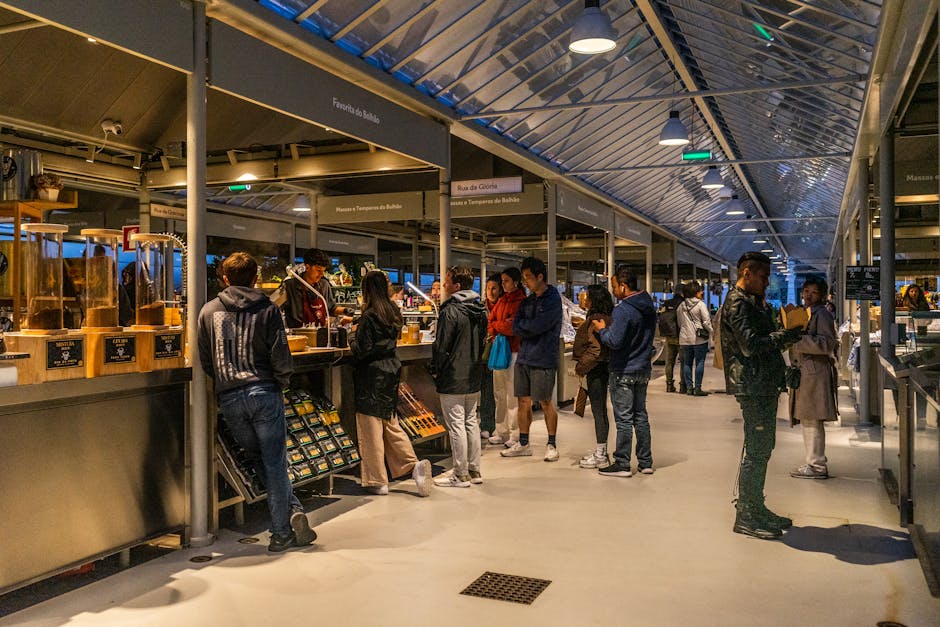
After Mathallen, cross the Akerselva river along its restored mills and small waterfalls — this stretch is very photogenic and full of artisan workshops. When you reach Grünerløkka, park your bike and wander on foot around squares like Olaf Ryes plass to soak up the local vibe. Recommended cafés: Fuglen (Universitetsgata 2, retro café and bar) or Stockfleths (a local chain) for a good coffee (~€3–4).
Return to the center along marked bike lanes; Oslo is well signed for cyclists. Practical tip: if you love street art, plan this route for a Saturday morning when street markets liven up Grünerløkka and the colorful walls truly pop. Also check small shops’ opening hours: many open around 10:00 and close Sunday afternoon.

5) Climb to Holmenkollen: sport, views and nature (mixed route, 8–12 km depending on start)
Holmenkollen is the iconic ski-jump site and offers one of the best views over Oslo and the fjord. The main site address is Holmenkollen Ski Jump, Kongeveien 5, 0787 Oslo. You can reach it by bike (a more athletic route) or by public transport plus a short hike. There’s no need for a cable car: the climb on foot or by bike is rewarding.
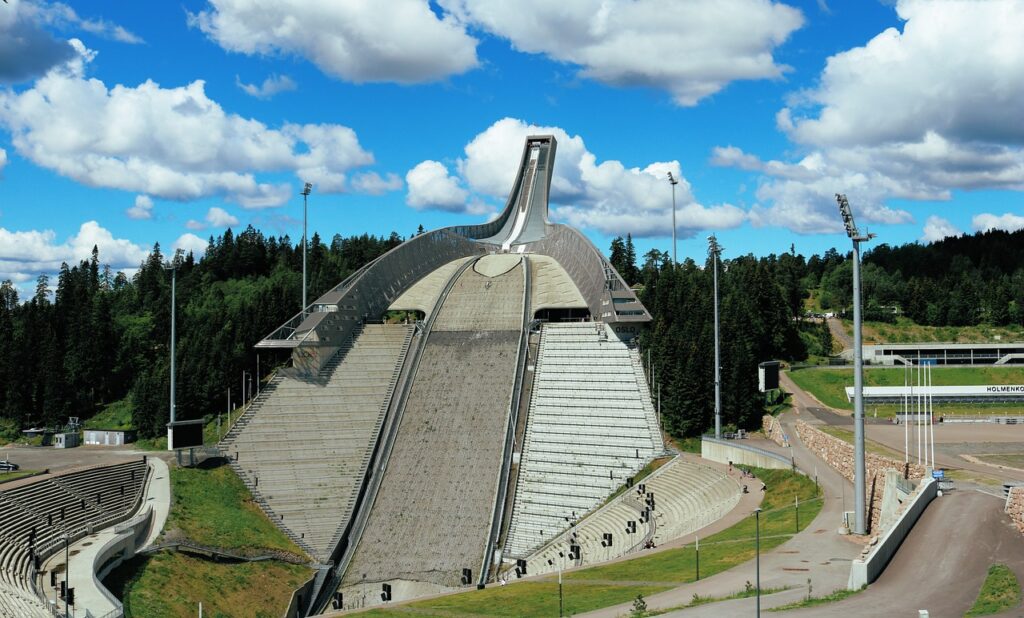
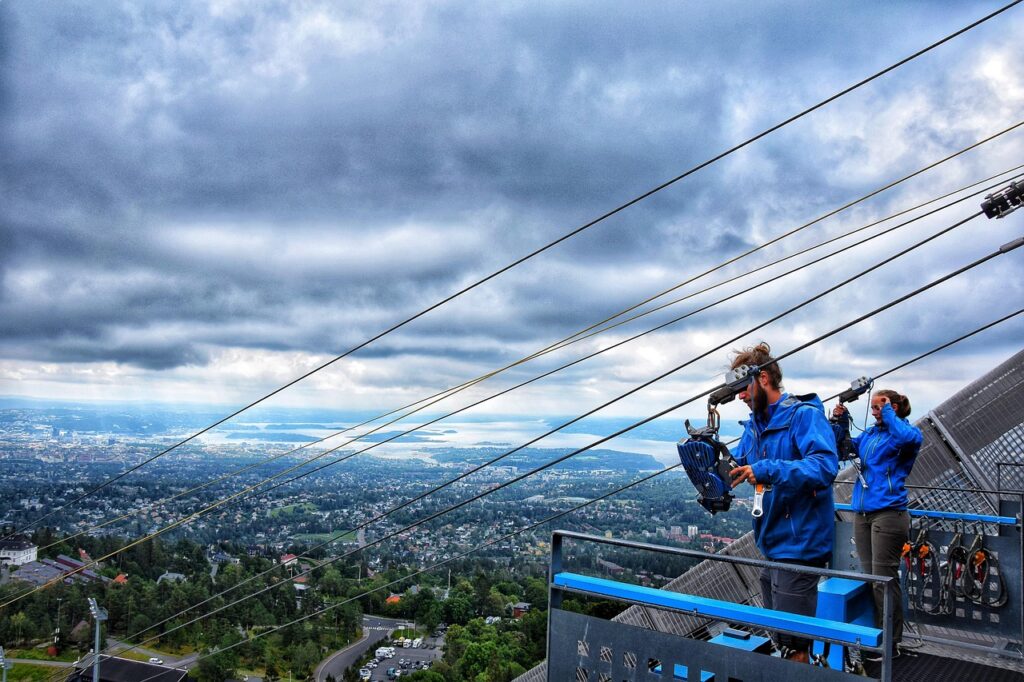
At the top, visit the Holmenkollen Ski Museum & Tower which includes access to the panoramic viewing platform. Hours: generally 10:00–17:00 (seasonal variations); Price: around €12–16 for the museum and tower. The surrounding trails offer forest walks and quiet viewpoints, perfect for a picnic. If you’d rather skip the bike climb, take metro line 1 (T-bane) to Holmenkollen station then walk 10–15 minutes.
For cyclists, the ascent is challenging: bring a bike with suitable gearing. Pack water, energy snacks and a small repair kit. There are water points at the top but fewer along the climb. Local tip: evening light makes the view spectacular; arrive about an hour before sunset to combine exercise with the panorama. In winter, the area is a cross-country skiing paradise — check trail conditions before you go.
Transport: several parking areas and bus stops serve Holmenkollen. If you’ve rented e-bikes, the climb will be much easier and very enjoyable. On-site restaurants and cafeterias offer dishes from €10–18. Respect the natural areas and take your rubbish with you: these spaces are well cared for but sensitive to heavy tourist use.
Conclusion: practical tips and route recommendations to enjoy Oslo on foot and by bike
Oslo naturally lends itself to slow discovery: on foot for historic neighborhoods and the waterfront, and by bike to reach farther spots like Bygdøy or Holmenkollen. To make the most of these routes, here’s a summary of practical tips:
- Bike rental: choose Oslo Bysykkel for short urban trips (24h pass ~€8–10); for a full day or excursions to Bygdøy/Holmenkollen, book with a local rental (~€20–30/day). Helmets are available and recommended.
- Hours: most museums open between 10:00 and 11:00 and close between 16:00 and 18:00; plan visits for mornings or late afternoons to catch the best light and avoid crowds.
- Approx. prices: museum entry €10–15, Opera interior tour €12–15, average meals €12–25; carry some cash for small purchases, but cards are widely accepted.
- Safety: stick to bike lanes, ride on the right, signal your turns; at night, use lights. There’s no strict nationwide helmet law for adults, but wearing one is highly advised.
- Weather: conditions can change quickly; bring a waterproof jacket and check the local forecast in the morning. Enjoy long summer days; in winter, layer up and avoid icy roads on a bike.
- Photography: photo hot spots: the Opera roof, Vigeland’s Monolith, Aker Brygge quay at sunset, Holmenkollen platform for wide panoramas.
- Local respect: Norwegians value cleanliness and quiet: don’t leave litter and respect resting areas in parks.
In short, plan your days as a mix of walking and cycling to enjoy both street-level details and coastal landscapes. Start your mornings in a neighborhood (Royal Palace/Karl Johans), head out by bike for longer trips (Bygdøy/Holmenkollen), and finish your evenings on the lively quays of Aker Brygge or in Grünerløkka’s cafés. With these routes and tips, your stay in Oslo will be full of discovery and relaxed: the city is meant to be lived slowly, taking time to watch, photograph and taste Norwegian life.