





Introduction: Oslo Pass demystified — why this guide matters
Oslo, Norway’s compact, leafy capital, charms visitors with world-class museums, contemporary architecture and plenty of waterfront spaces. For travellers looking to make the most of their stay, the Oslo Pass often looks like an easy solution: one purchase, access to dozens of attractions, public transport included and sometimes discounts on activities. But is it really a good deal for everyone? Which exact sites are covered, what are the practical limits, and how do you get the most out of it? This comprehensive guide answers those questions in detail, with addresses, typical opening hours, approximate prices in euros and down-to-earth local tips.
A few useful context points before we dive in. The Oslo Pass comes in several durations (24, 48, 72 and 120 hours) and covers a wide range of museums and historic sites as well as the main public transport network in central Oslo (zone 1). It usually does not include the airport express train (Flytoget) or some privately run attractions with special pricing. So whether the pass is worth it depends on your exact itinerary: if you plan to visit several major museums, hop the ferry to Bygdøy and use metro/tram frequently, the pass can pay off quickly.
This guide is written for a general audience: couples, families, solo travellers and even business travellers with a few hours to spare. I include immersive descriptions of key sites, exact addresses of the main places covered by the Oslo Pass, typical opening hours (for guidance — check for updates before you travel), prices in euros for both the Oslo Pass and individual tickets so you can compare, and practical local tips (best times to avoid crowds, how to pick up your pass, time-saving shortcuts and alternatives). You’ll also find an honest rundown of the pass’s limitations to help you decide whether it suits your trip.
Finally, the guide offers sample itineraries (cultural weekend, family visit, one-day stopover) and explains who should buy the Oslo Pass — and who’s better off buying single tickets. The goal is to help you plan with confidence and optimise your time and budget while exploring Oslo.
What is the Oslo Pass? Prices, durations and how to collect it
The Oslo Pass is a prepaid tourist card that grants free or reduced entry to a broad selection of Oslo attractions and includes public transport within the central zone (zone 1). Standard durations are 24, 48, 72 and 120 hours (1, 2, 3 and 5 days). The prices shown below are given in euros as an indication — official vendors may display slightly different rates depending on exchange rates. Always check the official Oslo Pass website for final prices and any promotions.
- Oslo Pass 24 hours: around €41 (adult)
- Oslo Pass 48 hours: around €60 (adult)
- Oslo Pass 72 hours: around €76 (adult)
- Oslo Pass 120 hours: around €105 (adult)
- Children: reduced rates available (typically ages 0–17 at around 50% or free depending on age) — check the exact age bands at purchase.
Where to buy and collect the Oslo Pass:
- Online: from the official Oslo Pass site or authorised resellers — you’ll usually receive an e-voucher to exchange at a pickup point.
- Main pickup point: Oslo Visitor Centre, Jernbanetorget 1, 0154 Oslo — often open around 09:00–17:00 (hours vary by season). Present your voucher to receive the physical card.
- Other points: some participating museums and tourist offices across the city (check the official list for exact addresses and opening hours).
How it works: the card is activated the first time you use it (for example when entering a museum or validating a metro trip). The duration countdown starts on first activation. For transport, simply show the Oslo Pass to a ticket inspector or scan it where a reader is provided. For attractions, present the card at the entrance. Some sites require advance booking even if entry is included — check the conditions for each site.
What the Oslo Pass covers: museums, tours and transport (addresses and hours)
One of the Oslo Pass’s biggest perks is the list of participating attractions. Here are the most sought-after places included or offering discounts with the Oslo Pass, with exact addresses and indicative opening hours. Note: opening times change by season; plan some flexibility and check official sites.
- National Museum — Universitetsgata 13, 0164 Oslo. Typical hours: Tue–Sun 10:00–18:00, Thu open until 20:00. Description: Norwegian and international art collections, including major works by Edvard Munch. Regular admission can cost around €15–€18 without a pass.
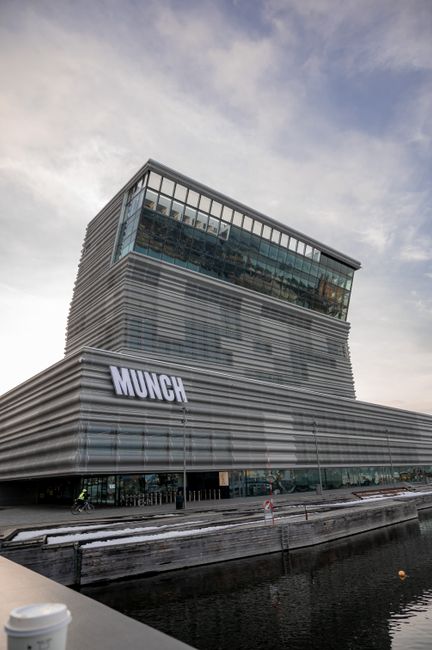
- MUNCH — MUNCH Museum — Edvard Munchs plass 1, 0194 Oslo. Typical hours: Tue–Sun 10:00–17:00, sometimes late openings on Thursday. Description: dedicated to Edvard Munch’s work, the modern waterfront building hosts permanent and temporary exhibitions. Regular admission about €15.
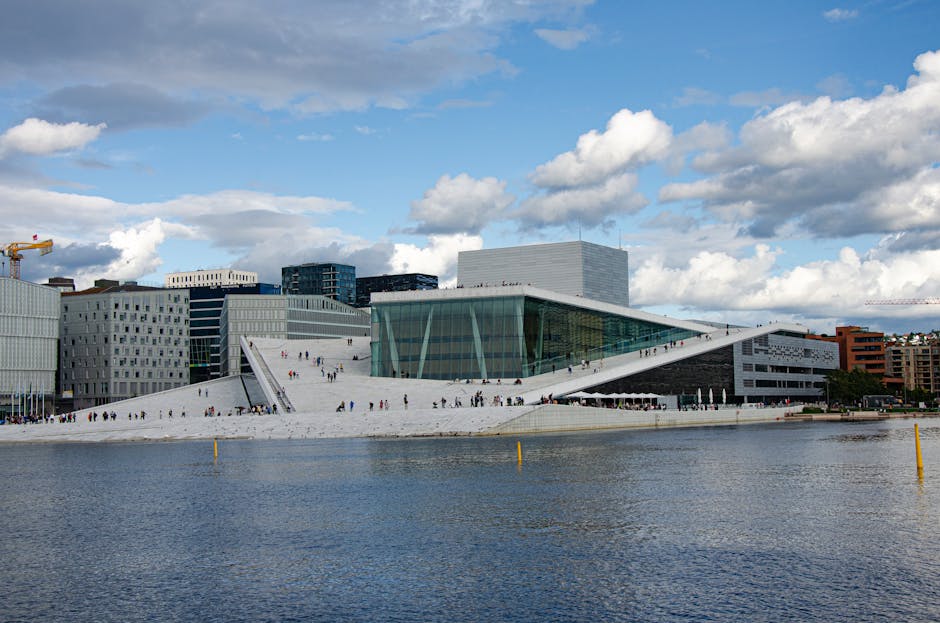
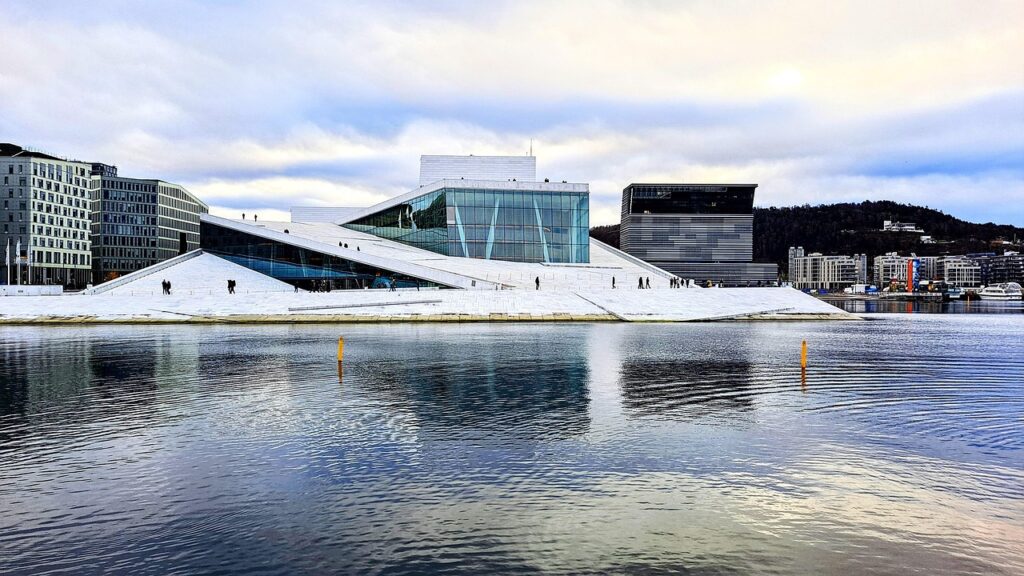
- The Norwegian National Opera & Ballet (Oslo Opera House) — Kirsten Flagstads Plass 1, 0150 Oslo. Guided tours often available 10:00–16:00 (depending on schedule). Description: the roof is walkable and offers panoramic fjord views; interior tours may be included or discounted depending on the season.
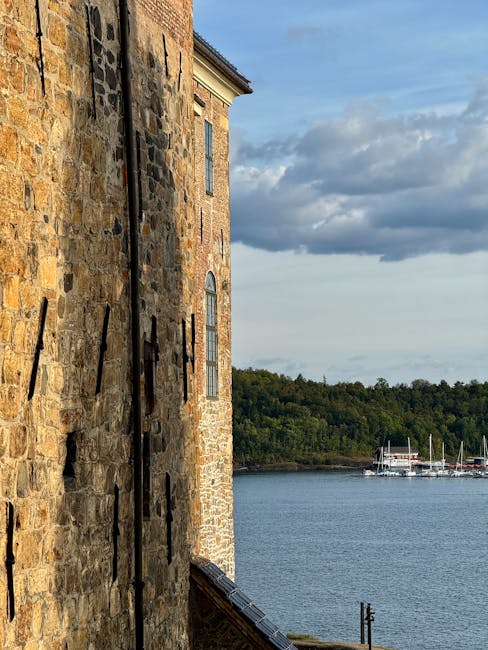
- Akershus Fortress — Akershusstranda 20, 0150 Oslo. Outdoor areas: freely accessible; museums and interiors usually open around 10:00–17:00. Description: a medieval fortress with harbour views and several historical exhibitions. Museum entry is often included with the pass.
- Fram Museum — Bygdøynesveien 36, 0286 Oslo. Hours: 10:00–16:00 (summer hours vary). Description: polar museum housing the ship Fram — a deep dive into Arctic exploration history. Individual admission roughly €10–€12.
- Kon-Tiki Museum — Bygdøynesveien 36, 0286 Oslo (same Bygdøy peninsula). Hours: typically 10:00–16:00. Description: follow Thor Heyerdahl’s Kon-Tiki expedition with original artefacts. Individual admission about €9–€11.
- Vigeland Sculpture Park (Frognerparken) — Nobels gate / Frognerparken, 0268 Oslo. Park open 24/7; Vigeland Museum open 11:00–16:00. Description: over 200 sculptures by Gustav Vigeland in a monumental park; the Oslo Pass covers the museum and sometimes offers discounts for special exhibitions.
Transport: the Oslo Pass includes unlimited use of buses, trams, metros and ferries operating in zone 1 (central Oslo). This generally includes the regular ferry shuttle to the Bygdøy peninsula from Aker Brygge (Aker Brygge, 0250 Oslo). Ferry schedules: in summer departures are frequent, often from 10:00 to 18:00; in low season frequency is reduced. Important: the Oslo Pass does not cover Flytoget (the airport express train), but it does cover regional Vy trains if your trip falls within zone 1 — check the zone rules.
Tangible benefits: who wins and how to maximise value
The Oslo Pass is especially worthwhile when you combine paid visits and frequent transport use. Here are concrete scenarios and practical tips to squeeze the most value out of it.
When the Oslo Pass pays off:
- Cultural weekend (48–72 hours): if you visit the National Museum (Universitetsgata 13), the MUNCH (Edvard Munchs plass 1), the Fram Museum (Bygdøynesveien 36) and take the ferry to Bygdøy, the savings add up. Access to those 3–4 museums + transport often equals or exceeds the cost of a 48–72h pass.
- Families: children’s museums, ship museums and outdoor spaces like Vigeland Park provide plenty of included activities; reduced or free child passes often make the family deal attractive.
- Arrivals with late check‑in / early departures: a cleverly activated 24h pass (for example activated mid‑afternoon to cover that evening and the next day) can cover the Opera House, the National Museum and unlimited city travel — handy for a short stopover.
Tips to maximise value:
- Plan ahead: group museums by area (city centre vs Bygdøy) to reduce wasted travel time.
- Activate the pass at a museum or at the start of a busy day to make full use of the purchased duration.
- Book guided tours included with the pass online when possible: some sites require reservations even for pass holders.
- Avoid Flytoget: if your aim is to get value from transport, use the local Vy train or an express bus covered by the zone, since Flytoget isn’t included and is more expensive.

Limitations and common pitfalls to watch for
Despite its advantages, the Oslo Pass also has limits and nuances that can disappoint if you travel without the right info. Here they are, spelled out.
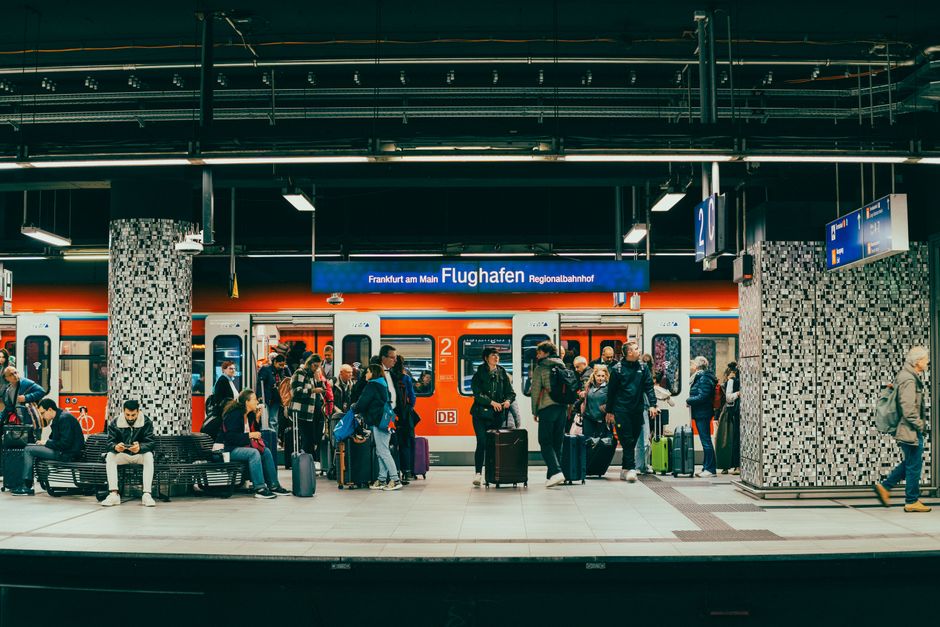
- Flytoget not included: the Flytoget express train between Oslo Airport (Oslo Lufthavn Gardermoen) and Oslo Central Station (Oslo S) is generally not covered. Airport address: Oslo Lufthavn, 2061 Gardermoen. If you arrive late and plan to use Flytoget, the pass won’t offset that higher fare.
- Private attractions excluded: some privately run attractions or paid activities (private boat tours, restaurants, non‑sponsored shows) aren’t included. For example, events at Oslo Spektrum (Sonja Henies plass 2, 0191 Oslo) or private kayak tours may only offer partial discounts.
- Valid only for the active duration: activation starts the timer. If you activate your pass in the evening, you lose hours that might be better used in the morning. Plan activation for your optimal schedule.
- Seasonal opening hours: some Bygdøy museums have reduced hours off‑season; you might buy a 72‑ or 120‑hour pass but find some sites closed.
- Less economical for very short stays with few visits: if you’re in Oslo for half a day or just wandering the centre visiting the Opera and one museum, single tickets plus short transport tickets will probably be cheaper.
Another common trap: not checking whether reservations are required. Some museums (high‑demand temporary exhibitions) require prebooking even when entry is covered by the pass. Without a reservation you can hit capacity limits and see your plans disrupted.
Sample itineraries and cost comparison — practical examples
To help you decide, here are three sample itineraries with estimated costs without and with the Oslo Pass (rounded to euros). These simulations give a clear idea of value.
Itinerary A — Cultural weekend (72 hours)
- Day 1: National Museum (Universitetsgata 13) — €15 without pass
- Day 1 evening: Oslo Opera House (Kirsten Flagstads Plass 1) walk — free or a small fee for guided tours
- Day 2: MUNCH (Edvard Munchs plass 1) — €15 without pass
- Day 3: Fram Museum + Kon‑Tiki (Bygdøynesveien 36), return ferry from Aker Brygge — €10 + €9 + ferry variable
- Total without pass: ~€49–€55 + transport (trams/metro/ferry ~€10–€20)
- With Oslo Pass 72h: ~€76 — net benefit depends on included transport, but commonly worthwhile if you take the ferry and multiple museums.
Itinerary B — One‑day stopover (24 hours)
- Morning: Oslo Opera House (Kirsten Flagstads Plass 1) and harbour
- Afternoon: Vigeland Park (Frognerparken) — park is free
- Evening: dinner at Aker Brygge (Aker Brygge, 0250 Oslo)
- Total without pass: very low cost (occasional transport ~€6–€10). With the Oslo Pass 24h at ~€41, the card is likely less economical for a short stopover.
Itinerary C — Family trip (48 hours)
- Fram Museum (Bygdøynesveien 36) — €10
- Kon‑Tiki Museum — €9
- Vigeland Museum + park — museum €7, park free
- Unlimited transport in zone 1 for 2 days — ~€14–€16 per person in separate tickets
- Total without pass for adults: ~€40–€45; with Oslo Pass 48h at ~€60, the savings depend on child pricing and transport costs avoided.
These calculations show that the Oslo Pass is most attractive for visitors who plan several museum visits and frequent public transport use. For short stays or trips focused on outdoor sights (hiking, parks, free architecture), single tickets may be enough.
Local tips, practical hacks and alternatives
A few local tips to avoid hassles and make the most of the Oslo Pass:
- Arrive early at the busiest museums: the National Museum and the MUNCH can be crowded between 11:00 and 15:00. Start early to enjoy better conditions and get great photos without the crowds.
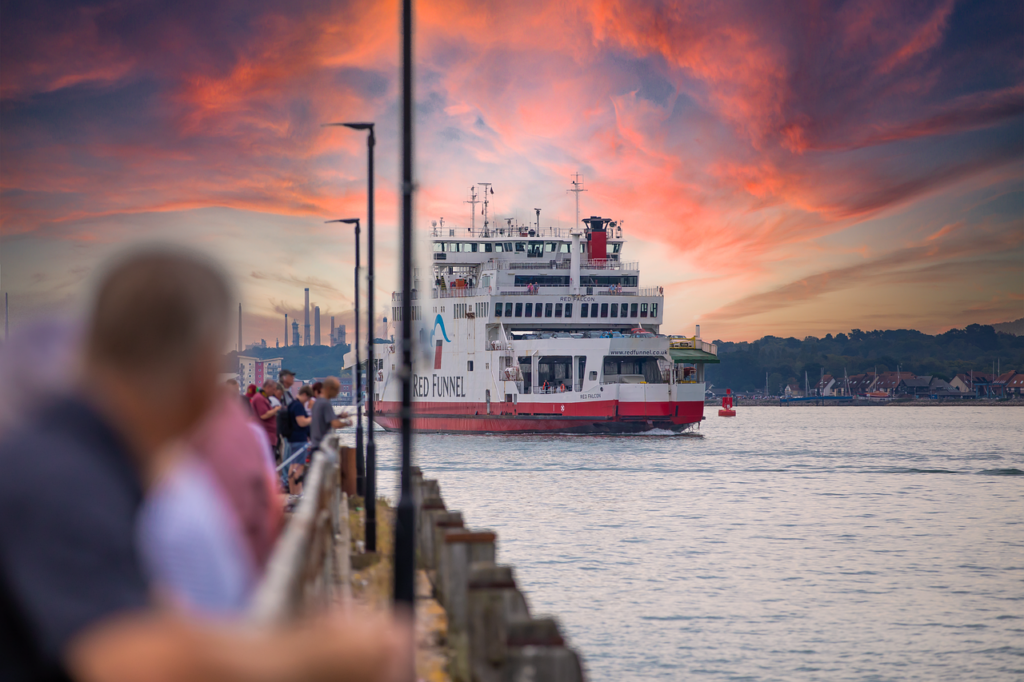
- Take the ferry to Bygdøy: the short trip from Aker Brygge is very scenic. The Oslo Pass generally covers the public ferry — check the Aker Brygge quay schedule (Aker Brygge, 0250 Oslo) for departures: frequent in summer, less so in winter.
- Metro and tram: keep your pass on you when boarding public transport and show it if asked by an inspector. Zone 1 covers most key tourist sites.
- Book guided tours: for attractions like the Opera House or special visits, online booking secures access even if entry is included.
- Alternative: combo tickets or digital city cards: if you don’t want a physical card or are short on time, compare specific combo tickets (e.g. MUNCH + National Museum combo) or digital daily cards sold online.
- Restaurants and cafés: the Oslo Pass occasionally offers discounts with local partners — this can make a meal in Aker Brygge or Grünerløkka more affordable. For variety of Nordic food, consider a light lunch at Mathallen Oslo (Vulkan, Maridalsveien 17, 0175 Oslo).
Final tip: always keep a paper map or a screenshot of the included attractions list. Mobile connections can be patchy in the city and this will prevent surprises at the ticket desk.
Conclusion: should you buy the Oslo Pass?
The Oslo Pass is a powerful tool for exploring Oslo smartly when your plan includes multiple museums and frequent use of public transport in the central zone. For the cultural traveller wanting to visit the National Museum (Universitetsgata 13, 0164 Oslo), the MUNCH (Edvard Munchs plass 1, 0194 Oslo), explore Bygdøy and enjoy unlimited tram and ferry travel, a 48‑ or 72‑hour pass often makes sense. The approximate euro prices (24h ≈ €41, 48h ≈ €60, 72h ≈ €76, 120h ≈ €105) give a quick comparison point, but you should simulate based on your exact plan and time of year.
On the other hand, if your visit is a short stopover, focused largely on outdoor sights (parks, walks, free architecture) or you prefer to pick one or two major exhibitions only, buying single tickets and occasional transport fares will likely be cheaper. Likewise, if your arrival requires using Flytoget (Oslo Lufthavn Gardermoen), remember that the service is usually not covered by the pass, which can change the economics of buying it.
To get the most from the Oslo Pass: group visits by area, activate the pass at the optimal time, prebook high‑demand exhibitions and check seasonal opening hours. With those precautions the Oslo Pass becomes a convenient companion that simplifies logistics and lets you see more without repeated payments. Whether you love art, polar history, are travelling with family or simply want to explore Oslo at your own pace, map out your itinerary and calculate potential savings — you’ll quickly know whether the Oslo Pass is right for you.
Safe travels — enjoy Oslo with curiosity, sensitivity and an eye for the beautiful fjord panoramas. If you’d like, I can now run a precise cost simulation for your exact itinerary (dates, desired museums, number of people, children), book typical time slots or propose a day‑by‑day itinerary optimised around your arrival/departure times.