





Introduction — Oslo by public transport: quick orientation and why to try these routes
Oslo, Norway’s compact and modern capital, is best explored by public transport. The city’s network — metro (T-bane), trams, buses, regional trains and ferries — is dense, punctual and well integrated. Trying several routes not only gets you quickly to major sights but also lets you soak up everyday life: daily commutes, water and forest landscapes, urban hills and contrasting neighborhoods. This practical, immersive guide suggests must-try routes in Oslo with precise addresses, indicative schedules, prices in euros, detailed descriptions and local tips to help you make the most of your explorations.
Before diving into routes, a few essentials: the network is mainly managed by Ruter (ticketing and fares for urban and regional transport around Oslo). Tickets can be bought via the RuterBillett app, at ticket machines in T-bane and tram stations, or with contactless payment (card tap without PIN on some lines). A zone 1 ticket (central Oslo) allows transfers for 1 hour 15 minutes from validation and costs roughly 40–45 NOK, about 3.5–4.0 EUR depending on exchange rates. For trips to the airport, the Airport Express Train (Flytoget) provides a fast link between Oslo Gardermoen (Oslo Lufthavn) and Oslo Central Station (Oslo S) in 19 minutes, around 210 NOK (~19 EUR) one way. Vy trains (formerly NSB) are a cheaper alternative: ~115 NOK (~10 EUR).
Why try different routes? Because Oslo shows different faces depending on how you travel: the metro line up to Frognerseteren climbs into forest and offers a panoramic view of the city and fjord; the tram drops you in elegant residential areas like Majorstuen and gets you close to art parks; the city ferry crosses the fjord and reaches the museums on the Bygdøy peninsula; local and regional trains take you toward western fjords and hiking trails. Each route deserves testing to appreciate how well transport modes interoperate, the frequency of service and the quality of connections.
This guide is organized into themed sections, each dedicated to a major route or transit experience. For every trip you’ll find: exact start and end points with full addresses, a detailed itinerary (lines, numbers, station names), indicative schedules and frequency, prices in euros, immersive descriptions (scenery, onboard atmosphere), and practical tips (best time to travel, which side of the train/tram to sit for the view, where to validate your ticket, alternatives if a line is interrupted). The provided addresses are concrete waypoints to help plan on Google Maps or in the Ruter app.
Finally, a few preliminary tips: buy an Oslo Pass if you plan to visit a lot of museums and use public transport freely (approximate 24-hour price around 430 NOK / ~40 EUR for an adult — check the official site for up-to-date rates), download the RuterBillett app and the Flytoget app if you’re heading to the airport, and pack warm layers and a windproof jacket most of the year: even in summer the fjord wind can be sharp. Now, let’s explore the must-try routes in Oslo.
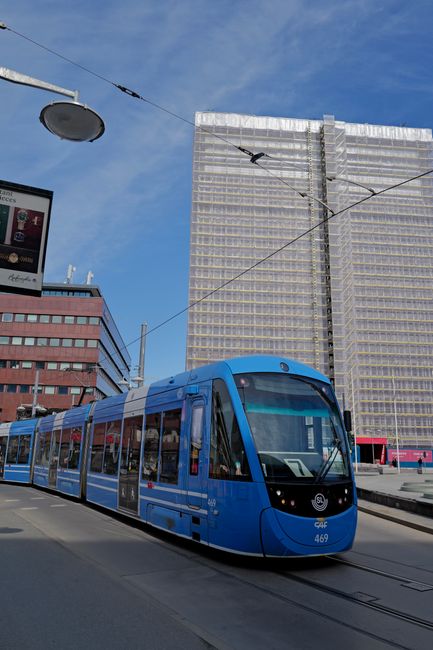
1) Classic route: Oslo Central Station (Oslo S) → Aker Brygge / Tjuvholmen by tram and on foot
Start: Oslo Central Station (Oslo S), Jernbanetorget 1, 0154 Oslo. End: Aker Brygge, Strandpromenaden, 0250 Oslo (pedestrian area and waterfront quay). Typical duration: 5–15 minutes depending on connections. Why try it? It’s the quintessential urban route: short, busy, great for getting your bearings on the waterfront and spotting restaurants, with a pleasant shift from the rail hub to the seaside promenade.
Detailed route: from Oslo S you can walk 8–12 minutes along Karl Johans gate (the main street) southwest to Aker Brygge. Alternatively, take tram 12 or 13 towards Majorstuen / Bekkestua / Jar from the Jernbanetorget/Standplass stop (in front of Oslo S). Get off at the Aker Brygge stop (Aker Brygge stasjon). Frequency: every 5–8 minutes during peak times, 8–12 minutes off-peak. Hours: trams generally run 05:00–01:00; at night, night buses replace some services.
Fares: single zone 1 ticket — about 45 NOK, roughly ~3.8 EUR. A 24-hour Ruter ticket costs around 130 NOK (~11 EUR) and covers multiple trips within the same zone if you plan to hop between sights and restaurants. Note: the Oslo Pass includes transport in the central zone and many local museums (check terms when purchasing).
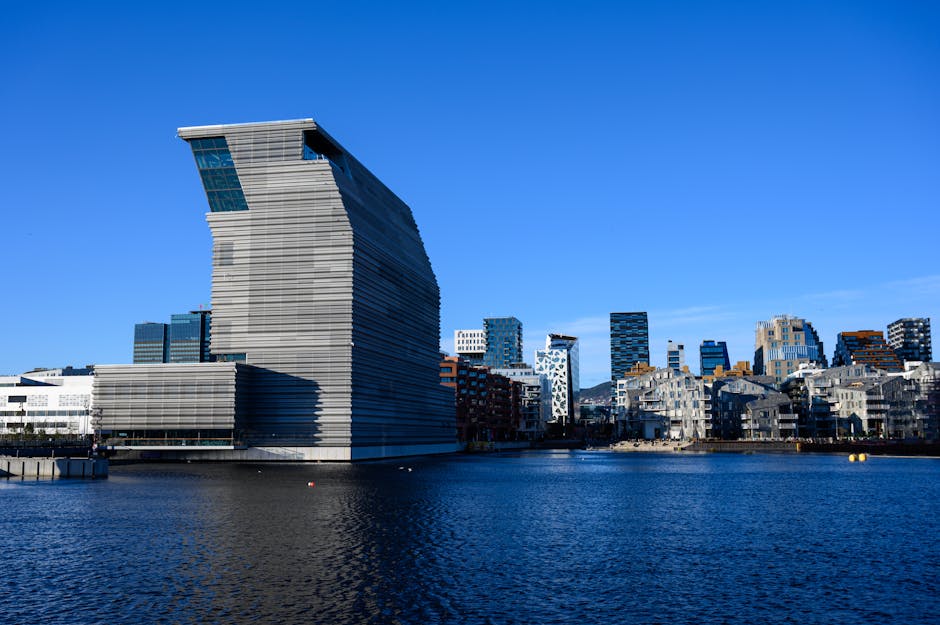
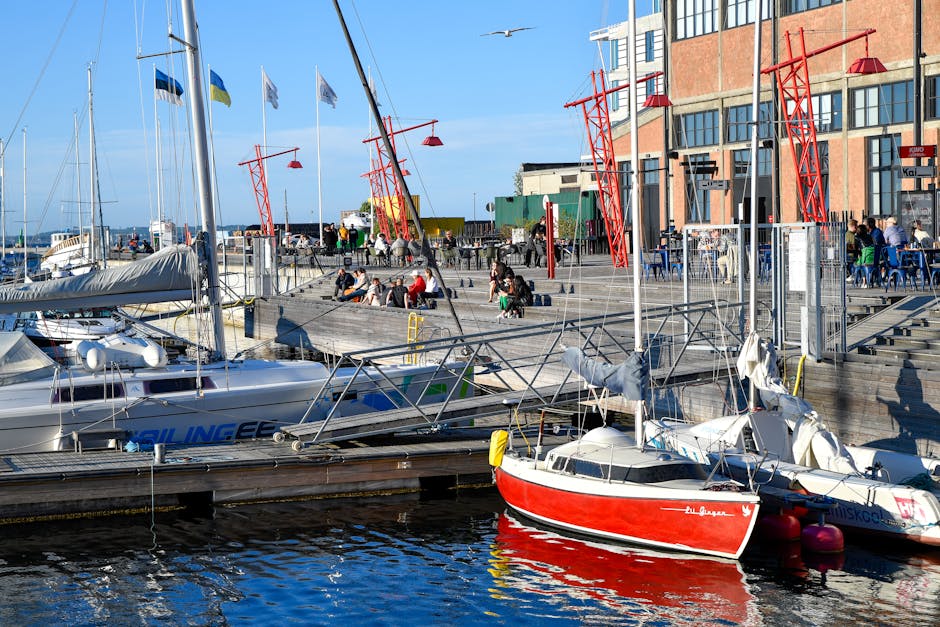
Immersive description: step off the tram and breathe the sea air: Aker Brygge is an urban quay lined with design shops, terraces and moored yachts. The docks are full of cafés and restaurants serving modern Norwegian seafood. A short walk brings you to Tjuvholmen, a contemporary art neighborhood home to the Astrup Fearnley Museum (address: Strandpromenaden 2, 0252 Oslo). The stroll offers open views of the fjord entrance and, on clear days, a palette of blues and greens that shift with the light.
Local tips: for the best photos, head to the wooden walkway near the Ling Ling restaurant (Tjuvholmen) at sunset. Avoid peak commuter times if you want a quieter walk (07:30–09:00 and 15:30–17:30 are busy). If you’re visiting the art museums, check opening hours: Astrup Fearnley typically opens 10:00–17:00 (hours vary by season). For a quick trip from the airport, allow about 20–25 minutes by taxi from Oslo S to Aker Brygge, or 25–30 minutes by tram/walk depending on connections.
2) Nature and panorama route: Oslo Central Station → Holmenkollen (T-bane line 1)
Start: Oslo Central Station (Oslo S), Jernbanetorget 1, 0154 Oslo. End: Holmenkollen Ski Museum & Jump, Kongeveien 5, 0787 Oslo (plateau and panoramic viewpoint). Typical duration: 30–40 minutes on the T-bane (line 1) plus 5–10 minutes on foot depending on where you get off. Why try it? This trip combines the convenience of the metro with an escape into forests overlooking Oslo, delivering one of the city’s most iconic viewpoints.
Detailed route: take line 1 (T-bane) toward Frognerseteren from Oslo S via Jernbanetorget or Nationaltheatret. Get off at Holmenkollen (or, for a longer walk, get off at Midtstuen and walk up to the site). Frequency: 10–15 minutes during the day, 15–20 minutes in the evening. Hours: T-bane typically runs 05:00–01:00; line 1 may start earlier on days with sporting events.
Fares: single zone 1 ticket — about 45 NOK (~3.8 EUR). If you plan to use several metro and bus lines in a day, the 24-hour ticket (around 130 NOK / ~11 EUR) is a good deal. Admission to the Holmenkollen Ski Museum and Jump Tower varies: combined tickets roughly 150–200 NOK (~14–18 EUR) for adults; check the museum website for current prices before you go.
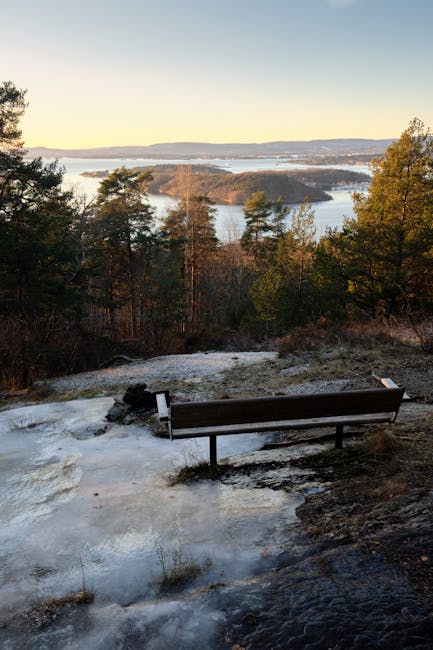
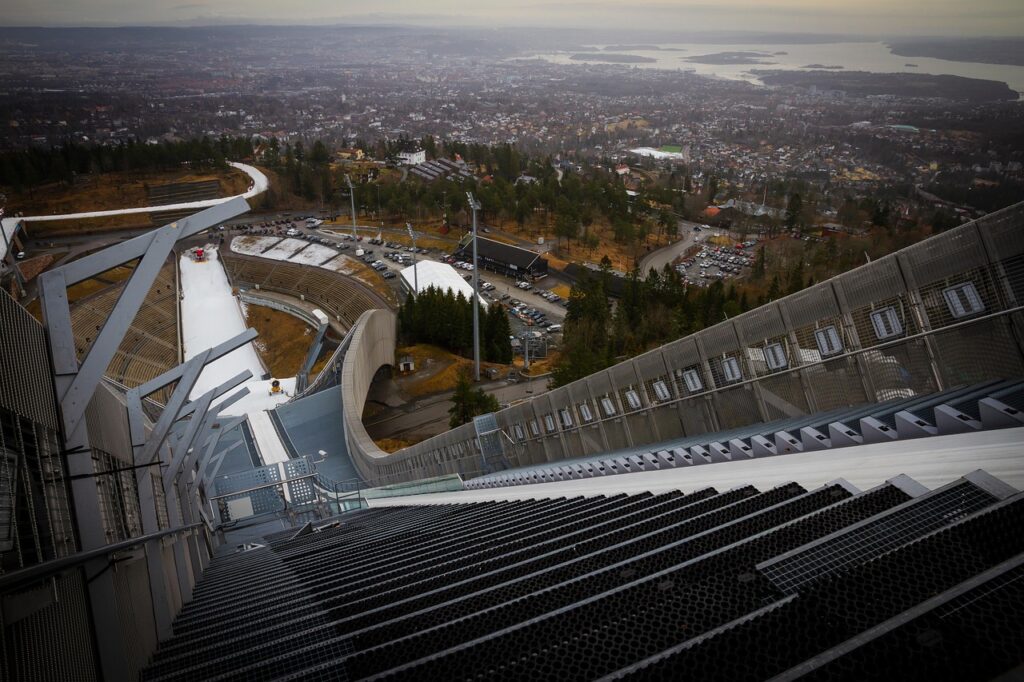
Immersive description: the T-bane leaves quiet residential neighborhoods before climbing out of the urban bowl through evergreens. As you approach Holmenkollen, windows frame clearings and fjord views. At the top, the ski jump tower offers a dramatic viewing platform some 60–70 meters up, with commanding vistas over Oslo and the fjord. The Holmenkollen Ski Museum — one of the world’s oldest ski museums — tells the story of Nordic skiing with historic gear and interactive displays.
Local tips: sit on the right side of the metro heading to Frognerseteren for the clearest city views during the ascent. In winter Holmenkollen is an active training ground and event venue: check the calendar if you want to see a competition (major events draw crowds and can affect T-bane schedules). If you enjoy hiking, continue from Holmenkollen onto the trails leading to Frognerseteren (line 1 stop) — sandy summer tracks and groomed trails in winter make for great outdoor options.
3) Fjord museums route: Oslo Central Station → Bygdøy via the city ferry
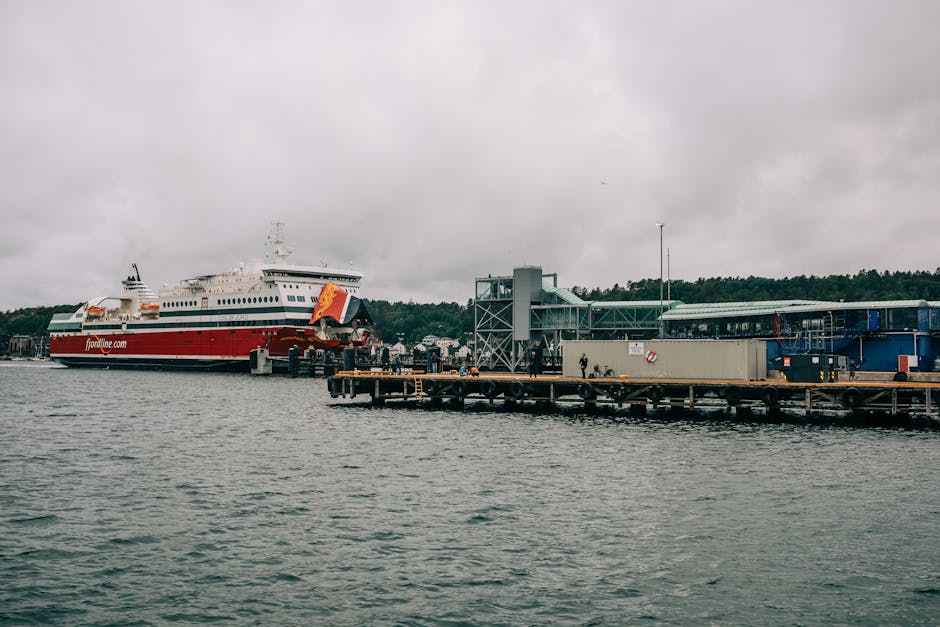
Start: Oslo Central Station (Oslo S), Jernbanetorget 1, 0154 Oslo. End: Bygdøy peninsula — home to the Viking Ship Museum, Fram Museum, Kon-Tiki Museum and Norsk Folkemuseum. Access: pedestrian ferry from Aker Brygge / Rådhusbrygge (harbour) or by direct bus. Typical duration: 20–30 minutes depending on ferry or bus and the season. Why try it? The ferry offers a short scenic fjord crossing — a classic for anyone who wants to combine maritime culture and coastal scenery without a car.
Detailed route: from Aker Brygge (Strandpromenaden) board the Ruter city ferry (lines B1/B2 depending on season) to Bygdøy. Departures are frequent between 10:00 and 18:00 in high season (less frequent off-season). You can also take bus 30 from Niels Juels gate/Bygdøynesveien (stop near Rådhuset/Aker Brygge); the bus runs roughly every 10–20 minutes.
Fares: single zone 1 ticket — about 45 NOK (~3.8 EUR); the same ticket that covers tram/metro is valid in zone 1. Note: some tourist ferries charge different fares, but the Ruter city ferry to Bygdøy is included in the standard ticket. Combined museum tickets (Viking Ship Museum — Huk Aveny 35, 0287 Oslo; Fram Museum — Bygdøynesveien 39, 0286 Oslo; Kon-Tiki Museum — Bygdøynesveien 36, 0286 Oslo) can be bought onsite or via official sites; individual museum tickets run roughly 100–140 NOK (~9–12 EUR) each.
Immersive description: the fjord crossing is short but telling: salty air, the scent of seaweed, and sailboats dotted on the horizon. On Bygdøy the museums chronicle Norway’s great maritime adventures: Viking ships, polar exploration (Fram), and Pacific voyages (Kon-Tiki). Lawns, beaches and small cliffs invite picnics before or after visits. The area is especially pleasant in late afternoon when light warms wooden façades and families gather for a stroll.
Local tips: to make the most of the day, start early at the Viking Ship Museum (Huk Aveny 35) to beat the crowds, then walk on to Fram and Kon-Tiki which are close to one another. Check ferry schedules off-season: outside summer their frequency drops and bus 30 becomes the more reliable option. Lastly, some museum gift shops accept cash and cards; prefer card payments to avoid scrambling for NOK.
4) Popular urban route: Tram through Majorstuen → Vigeland Park → Frogner
Start: Majorstuen (tram and T-bane hub), Kirkeveien 40, 0364 Oslo. End: Vigeland Park (Vigelandsparken), Nobels gate 32, 0268 Oslo — located in Frogner Park. Typical duration: 10–20 minutes depending on route and walking time. Why try it? The tram and Majorstuen area represent everyday Oslo life, combining shops, cafés, parks and open-air art.
Detailed route: from Majorstuen (a major interchange for T-bane and tram), take tram 12 towards Kjelsås/Briskeby or hop off and walk 10–15 minutes to Vigeland Park. Local buses and the T-bane also serve the park (stops Frogner plass / Vigelandsparken). Frequency: tram 12 runs about every 6–10 minutes during the day. Hours: trams 05:00–01:00, with night buses on certain routes.
Fares: single zone 1 ticket — about 45 NOK (~3.8 EUR). Vigeland Park is free to enter; the park is open 24/7, but the sculpture areas are especially lovely at sunrise and sunset when light highlights Gustav Vigeland’s statues. The Vigeland Museum (address: Nobels gate 32) has variable opening hours; the outdoor park area remains freely accessible.
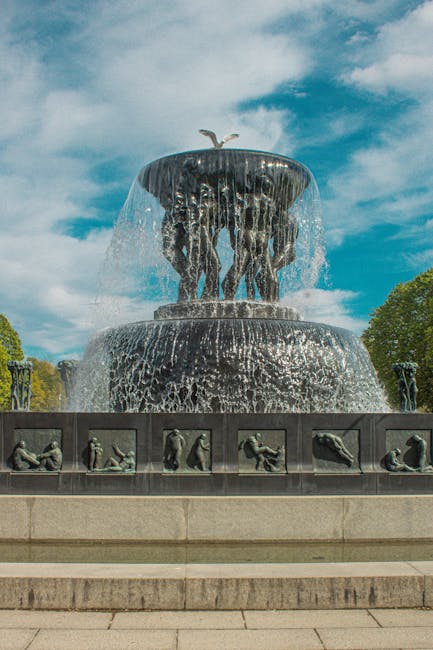
Immersive description: Majorstuen is a lively neighborhood mixing sports shops, cafés and residential blocks. The tram winds along tree-lined streets and past older houses; arriving at Vigeland you enter a monumental park where over 200 sculptures in granite, bronze and wrought iron explore the human condition. The iconic Fountain and the Monolith are standout photo spots. Nearby Frogner Park lawns are popular for picnics and family downtime.
Local tips: bring a small blanket if you plan to picnic — lawns are well kept but mornings can be dewy. The café Fearnley (near the south entrance) serves hot drinks and snacks; for lunch try a smørbrød (open sandwich) or a fish soup at a nearby restaurant. Photographers should aim for late afternoon for long shadows and soft light across the Monolith.
5) Regional express route: Oslo Central Station → Oslo Airport Gardermoen (Flytoget and Vy)
Start: Oslo Central Station (Oslo S), Jernbanetorget 1, 0154 Oslo. End: Oslo Airport Gardermoen, 2061 Gardermoen (international airport). Typical duration: 19 minutes on Flytoget (Airport Express Train); 22–30 minutes depending on Vy or regional services. Why try it? Knowing the link between city center and airport is crucial for any traveler: speed, comfort, frequency and price comparisons are practical things to understand.
Detailed route: two main options. Flytoget (Airport Express Train) departs Oslo S every 10–20 minutes, direct to Gardermoen in ~19 minutes with no long stops. Vy trains (lines L12/L13 depending on season) also serve the route but make more stops (travel time 22–30 minutes). Hours: Flytoget generally starts very early (~04:00) and runs late (~01:00), with near 24/7 services during peak demand; Vy runs regular services according to the rail timetable. Check exact frequencies on your travel day.
Fares: Flytoget standard fare about 210 NOK (~19 EUR) one way if bought on site; discounts possible online or via promotions. Vy regional: about 115–140 NOK (~10–12 EUR) one way — more budget-friendly but sometimes slower. If you have heavy luggage, Flytoget offers more space and comfort (luggage facilities, power sockets). Tickets can be bought at station machines, via the Flytoget / Vy apps, or at ticket counters.
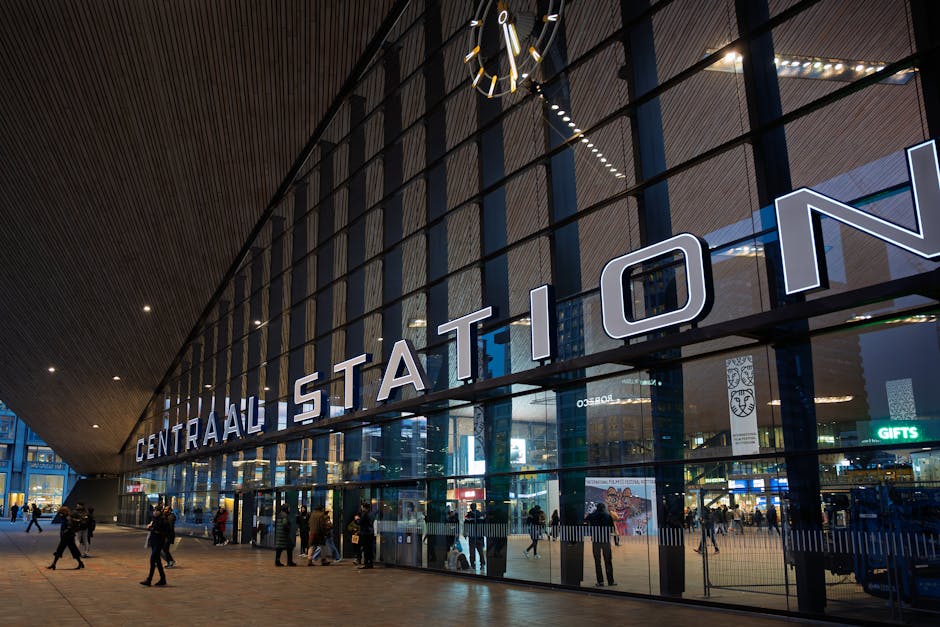
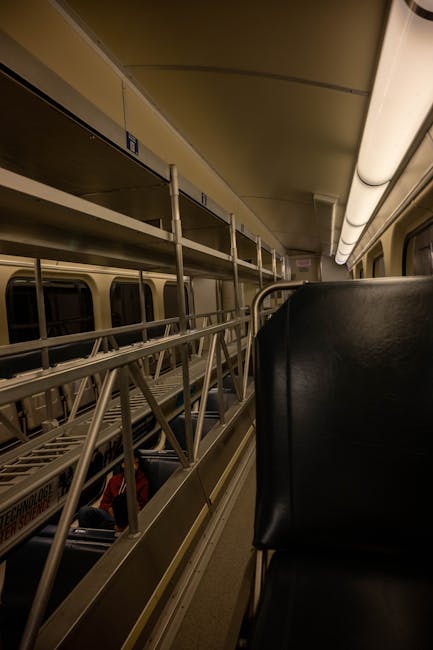
Immersive description: departures from Oslo S begin in the station’s big glass hall; urban scenery quickly gives way to farmland and young wooded areas. Flytoget glides fast toward a modern airport, providing a smooth transition between the city and international travel. Interiors are bright, seats comfortable, with space for suitcases and often wifi. On arrival at Gardermoen you’re minutes from the main terminal: shops, cafés and airport services are easily accessible.
Local tips: buy Flytoget tickets in advance if you want a cheaper rate. For very early or late departures, check the last train times; if you have a tight connection, prefer Flytoget for speed. Note that the Oslo Pass does not cover Flytoget: it’s a separate paid service. If you’re traveling with a bicycle or oversized equipment, check carriage rules in advance — Flytoget is generally accommodating but it’s best to confirm before boarding.
Conclusion — Final tips and planning your route tests
Testing Oslo by public transport is both practical and revealing: each route unlocks a different side of the city, from Aker Brygge’s polished waterfront to Holmenkollen’s forests, Bygdøy’s maritime museums to the lively tram network around Majorstuen. When planning your trials, consider the season (ferries are more frequent in summer; in winter metros and trams remain reliable though surface schedules can change), your budget (single tickets roughly 3.5–4.0 EUR in the central zone; Flytoget ~19 EUR to the airport) and your priorities (speed versus scenic experience).
Some practical recommendations to get the most from your route testing: 1) download the RuterBillett app to buy and manage tickets in euros or by card; 2) choose a 24-hour ticket if you plan more than two trips in a day (it’s convenient and cost-effective); 3) board the side of the metro with the best view (often the right-hand side toward Frognerseteren/Holmenkollen); 4) pick the ferry to Bygdøy on good weather days for the full fjord experience; 5) book Flytoget ahead if you have a tight flight, but choose Vy if you prefer to save money and have more flexibility.
Finally, keep in mind a few local habits: always validate your ticket before boarding (or buy via the app), be punctual at stops (Norwegians take timetables seriously), and don’t hesitate to ask drivers or station staff about the best connections — they’re usually helpful and speak English fluently. Oslo is a city that lends itself wonderfully to public transport: clean, safe and efficient. Trying these routes will not only help you optimize getting around but will also let you experience the city like a local, enjoying views, museums and varied atmospheres. Safe travels and enjoy discovering Norway’s capital!