





Introduction — Understanding Oslo’s Transport Zones and Timetables
Getting around Oslo blends Scandinavian efficiency, tidy urban scenery and a dense multimodal network: trams, the metro (T‑bane), buses and ferries serve Norway’s capital on a very regular basis. For travelers, the key to smooth journeys is knowing the fare zones, ticket validity windows, strategic transfer points and how schedules change with the seasons. This guide gives you a practical, comprehensive overview — exact addresses, prices converted into euros, typical time windows and local tips to make your trips easier.
At the heart of the system is Ruter, the regional operator that handles ticketing and planning for the Oslo area. Downtown is inside zone 1, where most attractions (the Opera, Aker Brygge, the Viking Ship Museum on Bygdøy) are located and where metro, tram and bus connections are most frequent. Learning the main hubs — Oslo Sentralstasjon (Oslo S), Jernbanetorget, Majorstuen and Aker Brygge/Vippetangen — is essential for planning quick transfers.
Travelers appreciate digital tickets via the Ruter app (or contactless card purchases): it saves time and provides traceability. This guide converts official prices into euros for clarity and gives example journeys, general schedule patterns and practical advice — for instance when it’s nicer to take the ferry for a scenic crossing instead of the bus, or how to avoid T‑bane rush hours. We also list exact addresses for stations and piers, rules of use (ticket validity, inspections) and local tips to save time and money.
Whether you’re planning a short city break or a longer stay, this guide will help you find your bearings. Schedules and frequencies vary by season (reduced services on Sundays and outside the high season), so check the Ruter app or station displays for real‑time updates. Below are detailed sections by mode of transport with exact addresses, prices in euros, typical time windows and practical field advice.
1) Metro (T‑bane): Zones, Fares, Main Hubs and Practical Tips
Oslo’s metro, known as the T‑bane, is the fastest way to cross much of the metropolitan area, with six numbered lines (1 to 6) converging downtown. The network is organized into concentric zones: most visitors stay within zone 1, which covers the city center and tourist neighborhoods. Ruter tickets allow transfers between metro, bus and tram within the ticket’s validity period.
Main hubs and addresses:
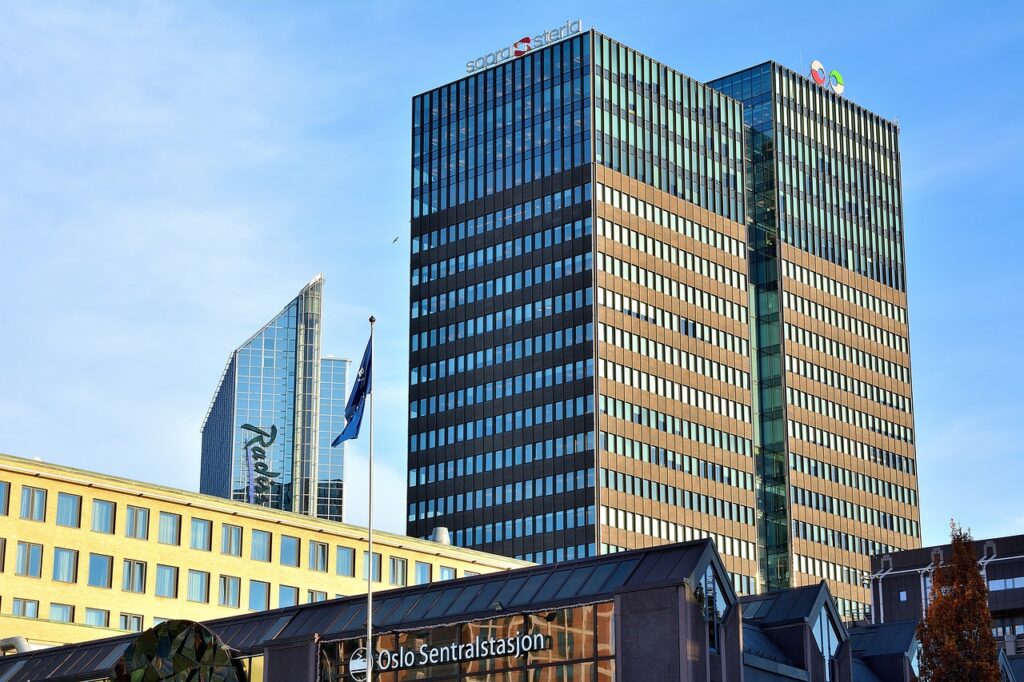
- Oslo Sentralstasjon (Oslo S) — Address: Jernbanetorget 1, 0154 Oslo. Central interchange with national trains and the T‑bane.
- Nationaltheatret Station — Address: Henrik Ibsens gate 4, 0255 Oslo. Direct connections to lines 1, 2, 3, 4, 5 depending on the time of day.
- Majorstuen — General address: Kirkeveien 40, 0368 Oslo. A transfer node for northwest‑bound lines and trams.
Fares (approx. conversion using 1 EUR ≈ 11 NOK):
- Single ticket zone 1: 43 NOK ≈ €3.91 — valid 60 minutes from validation and allows metro/tram/bus transfers.
- 24‑hour ticket (zone 1): 113 NOK ≈ €10.27 — unlimited travel on all Ruter transport for 24 hours after activation.
- 7‑day ticket: 275 NOK ≈ €25.00 — a good option for short stays longer than 3 days.
Hours and frequency:
- Operating hours: generally from about 05:00 to 01:00 (services stop in the early morning hours). Daytime frequencies range from every 5 to 15 minutes depending on line and time.
- Night service: some lines or night buses run on Friday and Saturday nights; check the Ruter app for exact timetables.
Local tips:
- Validate your electronic ticket or buy via the Ruter app before boarding — ticket inspections are frequent and fines are steep if you ride without a valid ticket.
- To reach Holmenkollen (T‑bane line 1), travel early to avoid weekend crowds — the hill offers sweeping views over Oslo and hiking trails.
- When leaving Oslo S with luggage, avoid peak hours (07:30–09:00 and 15:30–17:30) for a more comfortable trip.
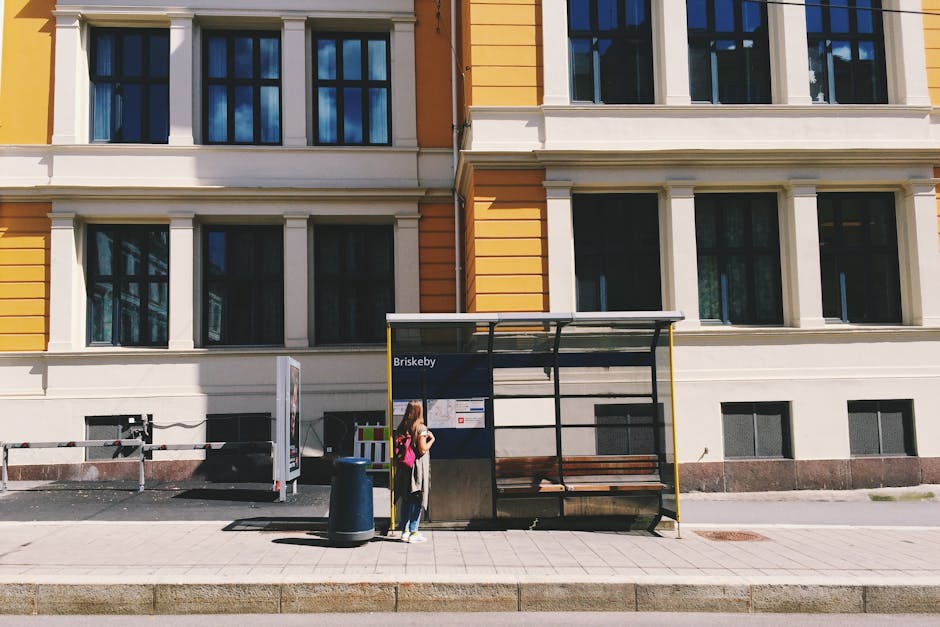
2) Tram: Lines, Tourist Stops and Downtown Connections
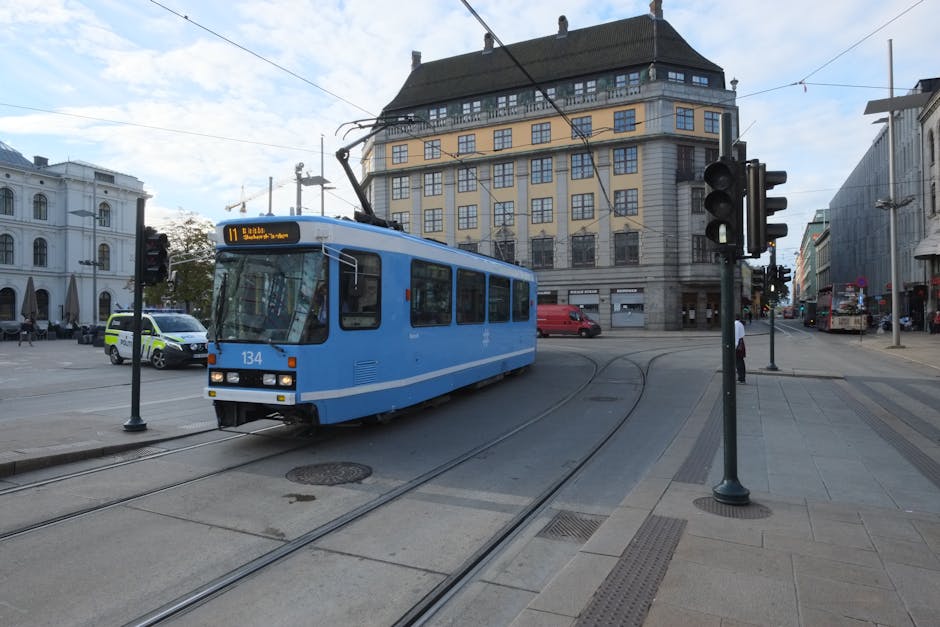
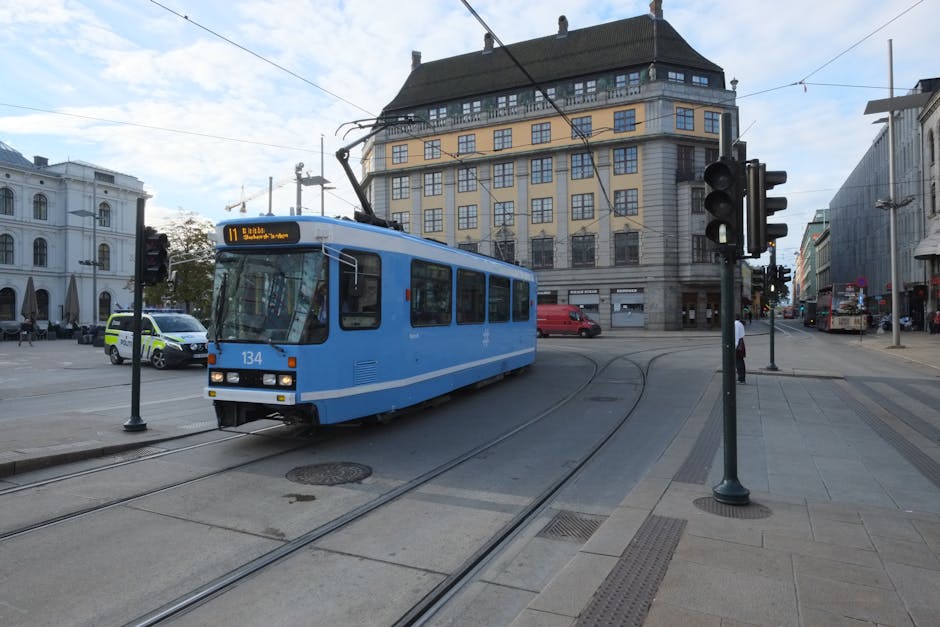
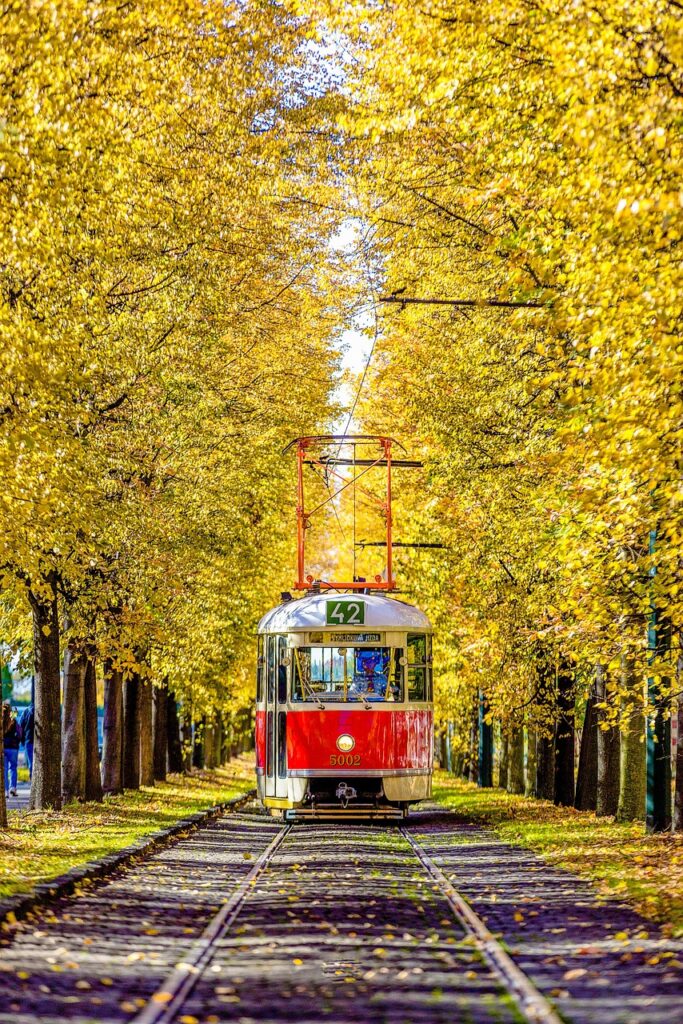
Oslo’s tram network is both a practical form of transport and a pleasant urban experience: it runs through photogenic neighborhoods like Grünerløkka and Frogner and along the waterfront toward Bygdøy. Trams are especially handy for short intra‑city hops. They use the same Ruter tickets as the metro, which makes transfers seamless.
Main lines and useful stops:
- Lines 11 / 12: serve Majorstuen (Kirkeveien 40) and Nationaltheatret (Henrik Ibsens gate 4), ideal for accessing Frogner Park and the Munch Museum.
- Line 13: goes through Grünerløkka (Vulkan area), a trendy neighborhood full of cafes and shops (reference address: Maridalsveien 17, 0175 Oslo).
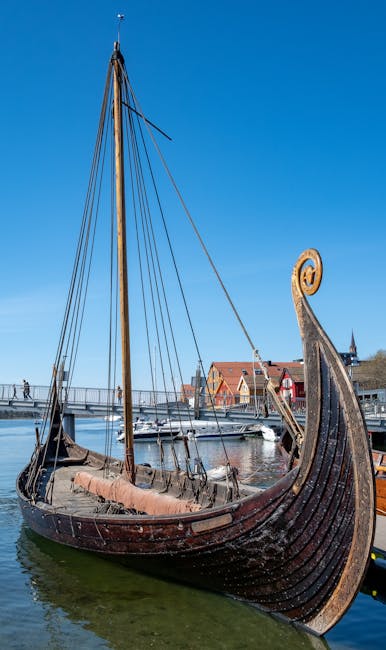
- Lines 1/2 toward Bygdøy (seasonal and subject to planning): useful for getting to maritime museums and the Viking ships.
Schedules:
- Typical operating hours: roughly 05:00–01:00. Daytime frequency: every 6–12 minutes depending on the line.
- Sundays and off‑season: reduced frequency (15–30 minutes).
Fares and validity:
- Use the same zone 1 ticket (43 NOK ≈ €3.91). One ticket allows multiple transfers during its validity (60 minutes).
- If you plan to use both tram and ferry in a day, the 24‑hour ticket (113 NOK ≈ €10.27) is often the most economical choice.
Practical advice:
- Board through the front or middle door depending on the vehicle; some trams require you to validate before boarding with the Ruter app.
- Listen for English stop announcements on tourist routes, but keep a paper map or screenshot of key stops handy (e.g., Fjord Tour, Viking Ship Museum).
- During busy times, avoid the tram between Oslo S and Nationaltheatret if you have large suitcases — consider walking a few minutes or taking an express bus instead.
3) Bus: Night Network, Outlying Zones and Main Terminals
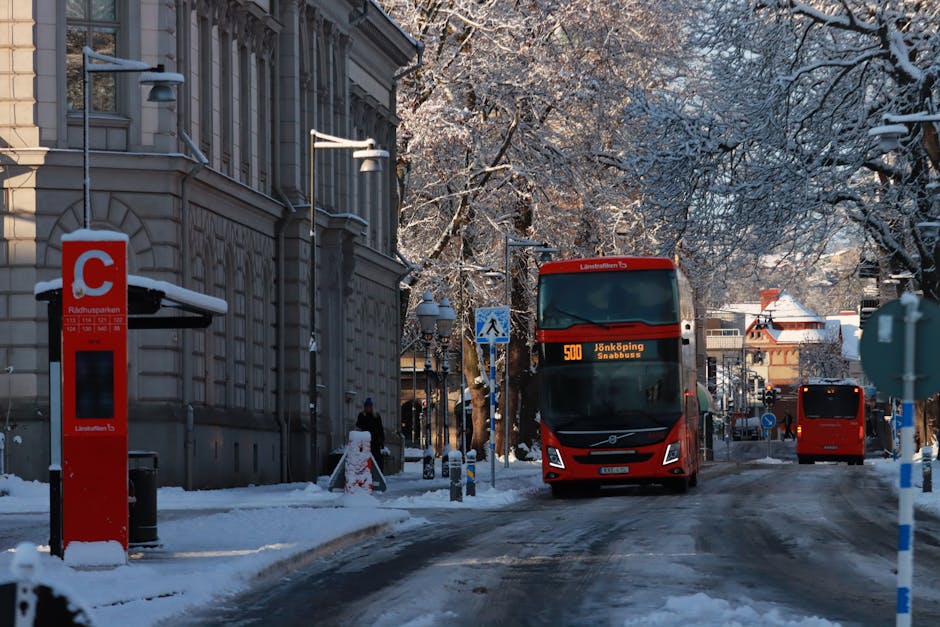
The bus network complements the metro and tram: it serves areas less covered by the T‑bane and offers more extensive night services, which is handy if you’re staying outside the center. Buses use the same Ruter tickets; however, trips that cross multiple zones to suburban areas may require multi‑zone tickets.
Important terminals:
- Oslo Bussterminal (central) — Address: Dronningens gate 21, 0152 Oslo. Departure point for regional and local buses.
- Jernbanetorget / Oslo S — Many urban bus lines and replacement services (during T‑bane works) depart from here.
Fares and zones:
- Bus in zone 1: single ticket 43 NOK ≈ €3.91 (60 minutes validity for transfers).
- If you travel outside zone 1 (e.g., Oslo → Sandvika), expect higher fares depending on extra zones. Example: zone 1–2 single ticket ≈ 63 NOK ≈ €5.73 (estimate).
Schedules:
- Day: most lines run from 05:00 to 01:00 with varying frequency (5–20 minutes).
- Night: night buses on Friday and Saturday nights cover the center and some suburbs. Route numbers and timetables change — check Ruter for night routes.
Local tips:
- For long bus trips from the airport (Flybussen) or by regional rail, compare price and travel time: the Flytoget train (from Oslo S) is faster but costlier; regional buses can be cheaper.
- Board at the front if paying cash (rare); most travelers use card or the app.
- Stops are marked with yellow signs; press the stop button in advance to signal the driver so you don’t miss your stop.
4) Ferries: Fjord Routes, Bygdøy Crossings and Marine Connections
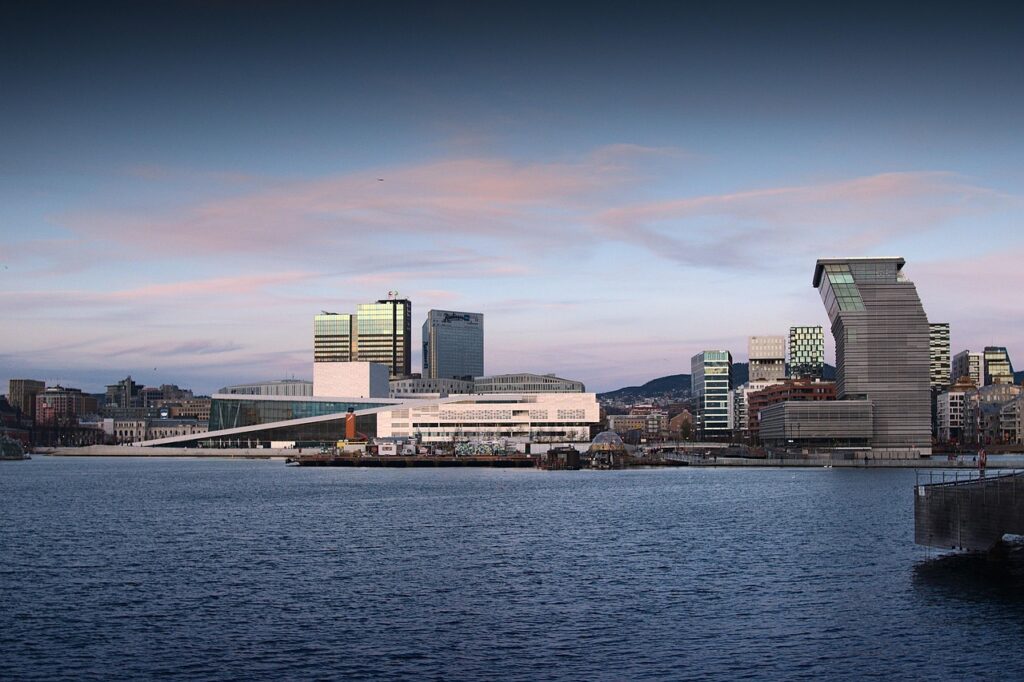
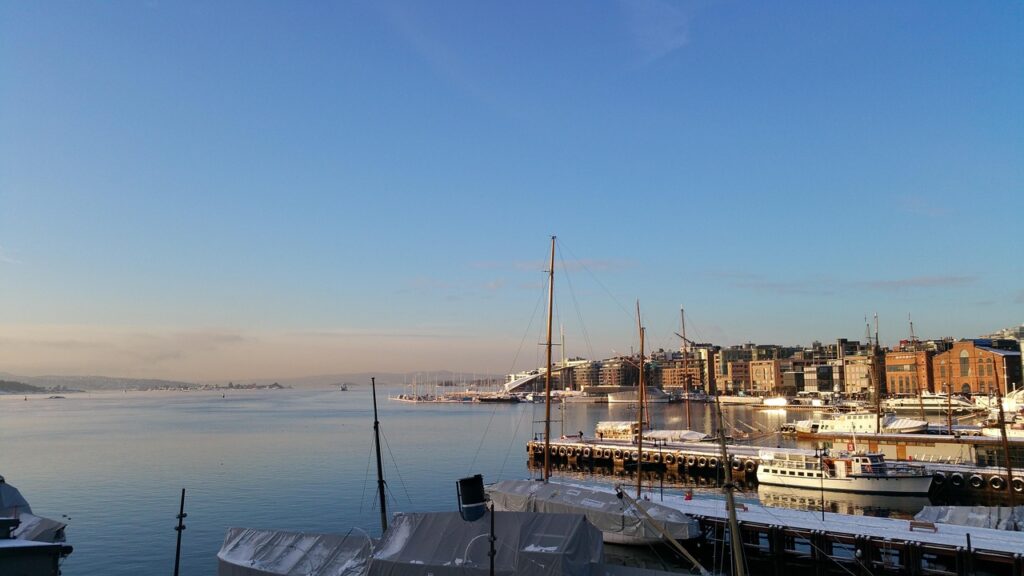
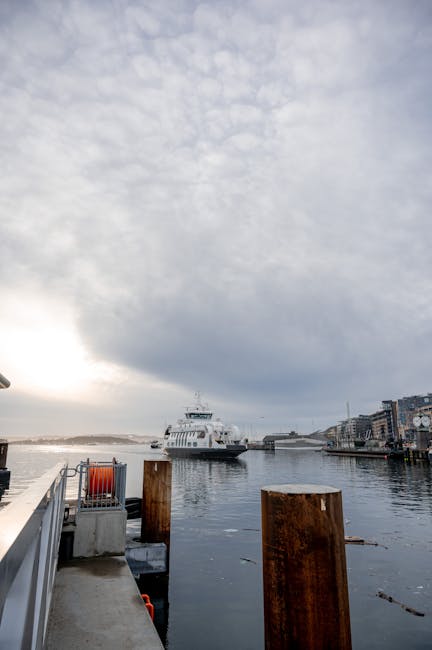
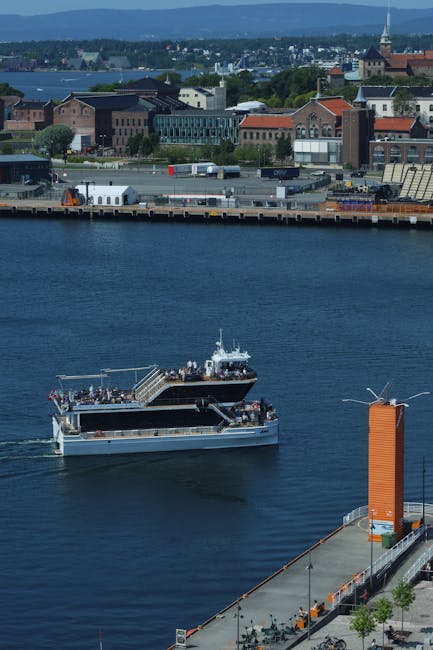
Oslo sits on a fjord that’s easy to explore thanks to a network of urban and excursion ferries. Ferries are both transport and attraction: they offer panoramic views of the Opera, Aker Brygge and the islands in the fjord. Urban ferry services are integrated into Ruter for short crossings (Bygdøy, Nesodden), while trips to outer islands or tourist cruises may be run as separate commercial services.
Main embarkation points:
- Aker Brygge (Pier P1/P2) — Address: Bryggetorget 3, 0250 Oslo. Central pier for local ferries and fjord tours.
- Vippetangen (Oslo Ferry Terminal) — Address: Vippetangen, 0150 Oslo. Departure point for excursions and some archipelago ferries.
- Bygdøy Ferry Pier — Ferries depart from Aker Brygge to reach the museums (Viking Ship Museum, Kon‑Tiki).
Fares and durations:
- Urban ferry (Aker Brygge ⇄ Bygdøy): usually included with a zone 1 ticket — single ≈ 43 NOK ≈ €3.91.
- Crossings to Nesodden (commuter ferry): typically a zone 1–2 fare; check Ruter for exact prices (e.g., ≈ 63 NOK ≈ €5.73 depending on zones).
- Private excursions or tourist cruises: prices vary, often between €15–€50 depending on length and service.
Schedules:
- Urban ferries to Bygdøy: in summer there’s frequent service (every 20–30 minutes, roughly 10:00–18:00). Off‑season frequencies are lower.
- Suburban ferries (Nesodden, Hovedøya): regular timetables on weekdays and weekends; some services end earlier in the evening.
Practical tips:
- Arrive 10–15 minutes before departure during high season; piers get crowded in sunny afternoons.
- If you have a 24‑hour Ruter ticket, it often pays to include at least one crossing to enjoy city views from the water.
- Bring a windproof jacket: the fjord can be chilly and windy even in summer.
Conclusion — How to Master Oslo’s Transport Network
Mastering Oslo’s transport boils down to combining fare knowledge, choosing the right mode for each route and adjusting for seasonal schedules. For most visitors, staying within zone 1 keeps things simple: a single ticket (≈ €3.91) or, better yet, a 24‑hour pass (≈ €10.27) gives you freedom to visit museums, parks and neighborhoods. For families or intensive sightseeing, the 7‑day ticket (≈ €25.00) can be cost‑effective. The main interchange points — Oslo Sentralstasjon (Jernbanetorget 1), Nationaltheatret (Henrik Ibsens gate 4), Majorstuen (Kirkeveien 40) and Aker Brygge (Bryggetorget 3) — are practical bases for nearly every route.
Keep these concrete recommendations in mind:
- Download the Ruter app before arrival to buy tickets and check real‑time schedules.
- Use the metro for longer cross‑city trips, the tram for center‑to‑center hops, buses to reach peripheral neighborhoods and ferries for a scenic experience.
- Always have a plan B: when lines are under maintenance (common outside peak hours), replacement buses are posted at platforms and shown in the app.
Finally, be mindful of ticket inspections: fines in Norway are high, but the system is straightforward and reliable. Use your journeys to soak up local life — from Grünerløkka’s lively cafes to peaceful walks along the fjord — and let the tram, metro, bus and ferry network guide you. Safe travels and happy exploring in Oslo!