





Introduction — Travel light: why choose train, bus and ferry to see Oslo in 48 hours
Oslo, Norway’s compact and contrasting capital, is perfect for a short but fulfilling two-day visit if you smartly combine trains, buses and ferries. The city stretches along the Oslofjord and is supported by an efficient public transport network run by Ruter (metro, tram, bus, ferry) and Vy (regional trains). Over 48 hours you can move through historic neighborhoods, world-class museums and seaside promenades without renting a car — saving time and keeping logistics simple. This guide lays out routes, exact addresses, typical schedules and prices in euros so you can plan a smooth, immersive stay.
The first reason to rely on public transport is the density of attractions. From Oslo Central Station (Oslo Sentralstasjon, Jernbanetorget 1, 0154 Oslo) you’re a short walk from Aker Brygge, the waterfront and boats heading to Bygdøy. Ferries to Bygdøy’s museums depart regularly from the central quay (Rådhusbrygge 3), with more frequent runs in high season (May–Sept). Buses and trams will take you to Vigeland Sculpture Park and Grünerløkka, while Vy’s local trains let you make quick excursions into the surrounding scenery or reach the airport easily — and stress-free — via the Airport Express Train (Flytoget) from Oslo S.
Second reason: comfort and timetable reliability. Tickets are bought in a few taps through the Ruter app (iOS/Android), at ticket machines in stations, or by contactless payment on board (on some trams and buses). For a 48-hour stay, buying a 24-hour Pass (124 NOK ≈ €10.50) and renewing it once is often the most convenient option. A single zone 1 ticket costs about 39 NOK (≈ €3.35), and a return trip to Bygdøy generally uses a single zone 1 ticket since it stays within the central zone.
Third reason: the sensory experience. Taking a ferry across the Oslofjord gives unique views of the Oslo Opera House (Operahuset, Kirsten Flagstads Plass 1, 0150 Oslo), Aker Brygge and Akershus Fortress (Akershus festning, Akershusstranda 1, 0150 Oslo). The tram ride to Vigeland Park crosses leafy residential areas and drops you right into local life. At every stop you can hop off, wander, and catch the next vehicle — one of the great advantages of a city with frequent services.
This guide provides a practical 48-hour plan: how to use Oslo Central Station as your hub, take the ferry to Bygdøy and its museums (Fram Museum — Huk Aveny 35, 0287 Oslo; Kon-Tiki Museum — Bygdøynesveien 36, 0286 Oslo; Norsk Folkemuseum — Museumsveien 10, 0287 Oslo), explore Aker Brygge and lively Tjuvholmen, head to Vigelandsparken (Frognerparken) and finish with an evening in Grünerløkka. Exact addresses, typical opening hours, fares in euros and practical tips (best times to avoid crowds, how to read signs and use the apps) are included so you can plan and enjoy a smooth, safe and memorable trip.
Section 1 — Day 1 morning: From central station to Aker Brygge and the ferry to Bygdøy
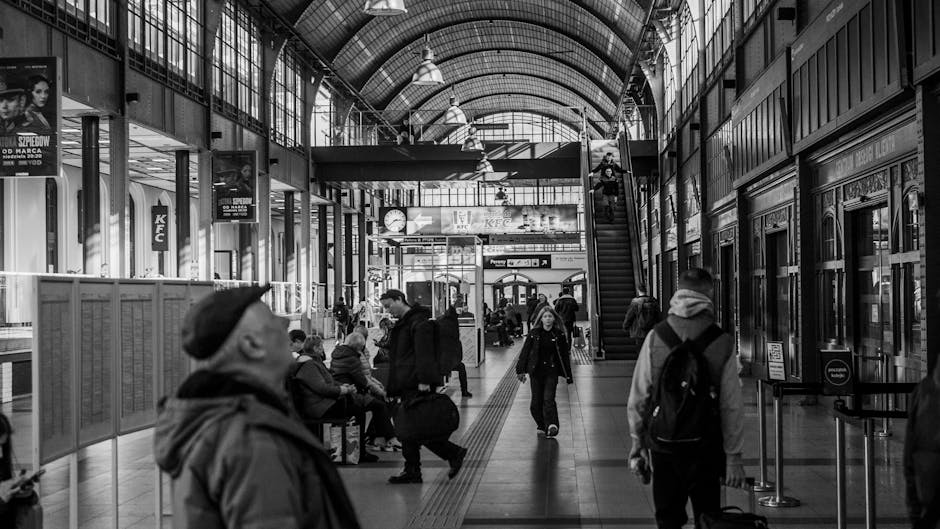
Start your first morning at Oslo Central Station (Oslo S), Jernbanetorget 1, 0154 Oslo. The station opens early: most shops and ticket desks open between 06:00 and 07:00, and regional trains run from around 05:00 depending on destination. To buy tickets, use the free Ruter app, the ticket machines on the platforms, or pay contactless by card on many lines. Indicative fare: zone 1 single ticket = 39 NOK (≈ €3.35). If you expect several trips that day, get a 24-hour ticket at 124 NOK (≈ €10.50).
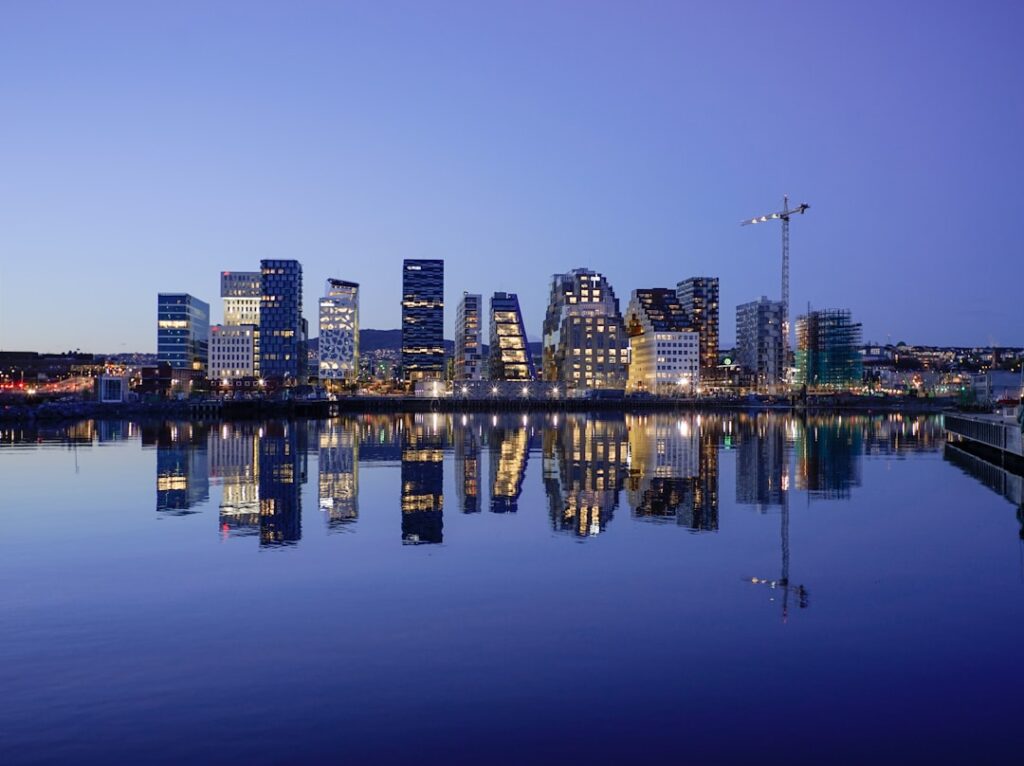
On foot, walk 7–10 minutes to Aker Brygge (Bryggetorget, 0250 Oslo) along the waterfront; it’s one of Oslo’s most lively and scenic hubs, lined with restaurants, cafés and terraces. The main entrance is at Bryggetorget, 0250 Oslo. You can have lunch at one of the many spots — for example, Lofoten Fiskerestaurant, Stranden 3, 0250 Oslo (seafood dishes, main courses typically €20–35). Take time to admire the contemporary architecture and the yachts in the harbor.
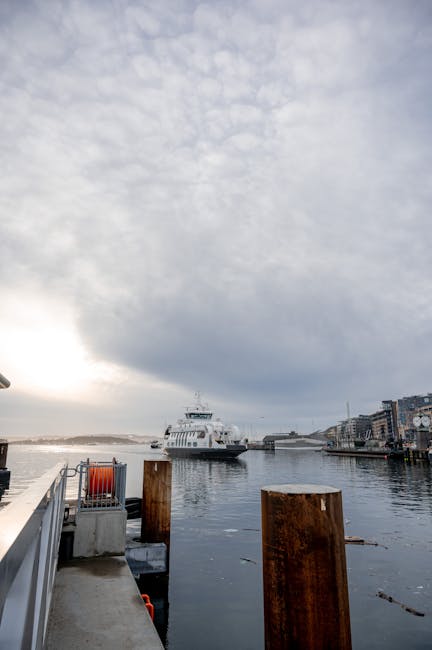
From Aker Brygge, catch the ferry to Bygdøy from Rådhusbrygge 3 (next to Aker Brygge). Ruter’s Bygdøy ferry usually runs every 20–30 minutes in high season between 10:00 and 17:00; in low season frequencies drop (check ruter.no for exact times). The crossing takes roughly 10–15 minutes. The ferry ride is included in your zone 1 ticket. If bought separately, the fare is the same as a zone 1 ticket (≈ €3.35).
On Bygdøy you’ll find several must-see museums within a 5–10 minute walk from the landing: the Fram Museum (Huk Aveny 35, 0287 Oslo, typically open 10:00–17:00, adult ticket ~€12–15), the Kon-Tiki Museum (Bygdøynesveien 36, 0286 Oslo, typically open 10:00–17:00, adult ticket ~€12) and the Norsk Folkemuseum (Museumsveien 10, 0287 Oslo, typically open 10:00–17:00, adult ticket ~€12–15). Detailed and immersive, the Fram Museum displays the polar ship FRAM; at Kon-Tiki you’ll see Thor Heyerdahl’s original raft. Allow 1.5–2 hours per museum for a proper visit.
Section 2 — Day 1 afternoon and evening: Return, Akershus and the Opera, dinner at Aker Brygge
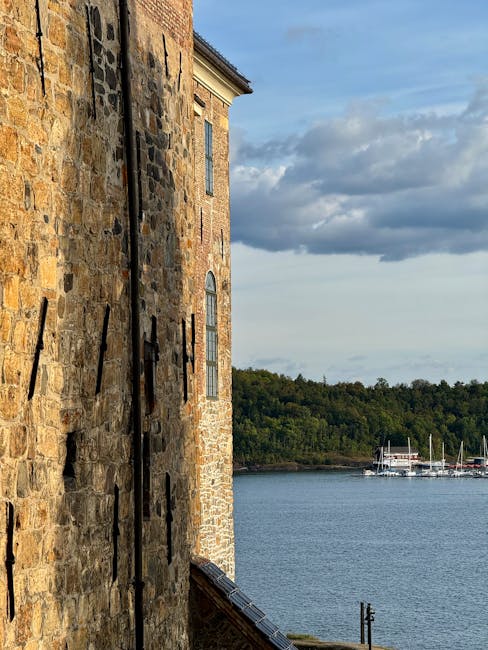
After returning from Bygdøy to Aker Brygge, walk towards Akershus Fortress (Akershus Festning, Akershusstranda 1, 0150 Oslo). The fortress dominates the harbor and offers panoramic views of the fjord. Access to the outer grounds is free; interior museums (Akershus Slott og Festning) have variable opening hours but often open from around 10:00 to 16:00. It’s a great spot for a peaceful late-afternoon stroll.
Next, head to the Opera House — Oslo Opera House (Operahuset, Kirsten Flagstads Plass 1, 0150 Oslo). The exterior and marble roof are freely accessible: walk up onto the roof for spectacular sunset views over the Oslofjord. Guided tours inside run on a schedule (check operan.no for exact times); performance ticket prices vary widely (€30–€150 depending on show and seating).
For dinner, Aker Brygge and Tjuvholmen offer plenty of dining options. Examples: Restaurant Louise (Stranden 3, 0250 Oslo) for traditional Norwegian fare (main courses €18–30); Smalhans (Waldemar Thranes gate 10, 0171 Oslo) for modern Nordic cuisine (à la carte €30–45). Average dinner budget: €25–45 per person, wine not included. If you’re after something more budget-friendly, many sandwich shops and stands along the waterfront sell salmon wraps or fish and chips for €8–15.
Practical hours: most restaurants open for dinner between 17:00 and 18:00; if you want an outdoor table at sunset, book in advance, especially in summer. The last ferries and buses back to the center run late: trams and city buses generally operate until around midnight, with some night services on selected routes. Check the Ruter app for exact late-night schedules and any temporary route changes.
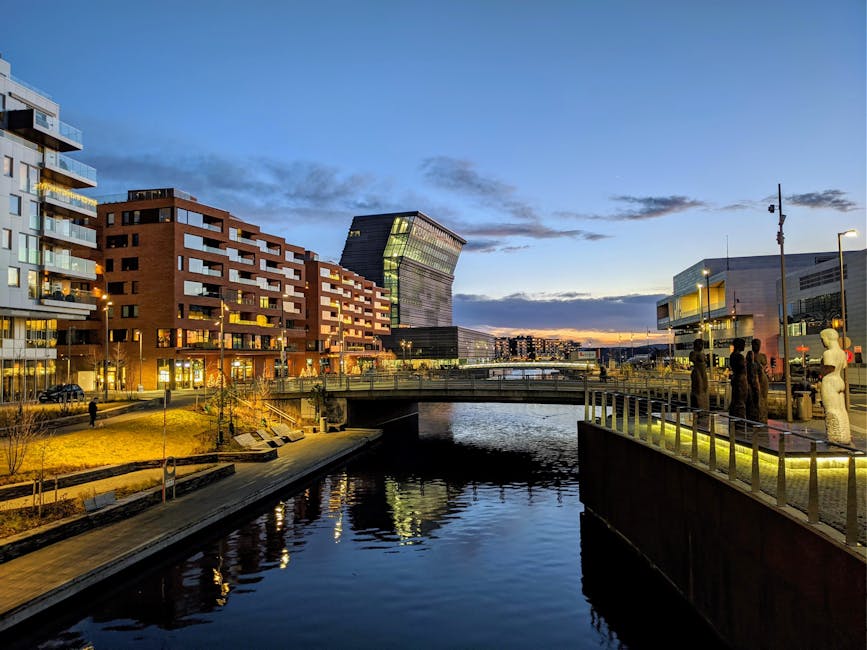
Section 3 — Day 2 morning: Vigeland Park, museum and the Frogner neighborhood
On day two, start at Vigelandsparken (Vigeland Sculpture Park), the largest sculpture park in the world created by a single artist, Gustav Vigeland. Recommended arrival address: Vigelandsparken, Nobels gate / Frognerveien (often listed as Nobels gate 32, 0268 Oslo). From Oslo S, take tram number 12 toward Majorstuen and get off at Vigelandsparken or Prenzlau (trip ~20–25 minutes). Trams run frequently from around 06:00 until midnight; a zone 1 ticket applies.
The park is open 24/7 and free to enter; peak hours are usually between 10:00 and 15:00. For a quieter, more contemplative visit and better photos, aim to arrive around 08:30–09:00. The site features roughly 212 sculptures in bronze, granite and wrought iron. Stroll the main avenue, admire the Monolith (a column made of 121 intertwined human figures) and walk down to the central pool. The park is also a popular local hangout: you’ll see joggers, families and picnickers.
After the park, the Frogner area has plenty of cafés and small bakeries. For a solid lunch, try Baker Hansen (Frognerveien 1, 0263 Oslo) or a local favorite depending on your mood. Lunch budget: €10–20. If you’re into art, the Vigeland Museum (Nobels gate 32, 0268 Oslo), nearby, shows Vigeland’s drawings and models; typical hours: 11:00–17:00, adult ticket ~€8–10.
Local tip: combine this visit with a stop in Grünerløkka if you still have energy — it’s reachable by tram or bus in 10–15 minutes from Majorstuen. Grünerløkka is known for independent shops, cafés and street art. Wear comfortable shoes: the park and the neighborhood’s cobbled streets involve a fair amount of walking.

Section 4 — Day 2 afternoon and departure: Grünerløkka, getting to the airport and final practical tips
To wrap up your trip, spend the afternoon exploring Grünerløkka: a good starting point is Thorvald Meyers gate, 0555 Oslo (the heart of the neighborhood). Walk along the Akerselva river, pop into artisan shops or visit a microbrewery. A recommended coffee stop: Tim Wendelboe (Grünerløkka, coffee roastery, usually open 08:00–17:00, address: Grüners Gate 1 — check online). Independent stores offer Norwegian design souvenirs and pieces from local creators.
For leaving Oslo and getting to Oslo-Gardermoen Airport (OSL), you have two main options from Oslo S: Flytoget — the airport express train (approx. 20 min, departures every 10–20 min, fare around 220 NOK ≈ €18.70); or Vy (regional train) — cheaper, about 23–30 min, fare around 109 NOK ≈ €9.25. Trains start early (around 04:30–05:00) and run late into the night. Buy tickets at station machines or via the Flytoget and Vy apps/website. If you have bulky luggage, allow an extra 30–45 minutes to get to the station and through airport procedures.
Final practical tips: keep your phone charged and download the Ruter app (for real-time schedules, traffic alerts and ticket purchases), plus Flytoget and Vy if you’re taking a train to the airport. Contactless cards are widely accepted, but carry a small amount of cash for minor purchases if needed. Respect local rules: separate your waste, follow pedestrian-only zones and observe quiet hours in residential areas at night.
Conclusion — 48 well-organized hours: transport, budget and experiences to remember
In 48 hours in Oslo, a clear strategy centered on trains, buses and ferries helps you optimize travel time, sightseeing and budget. Start at Oslo Central Station (Jernbanetorget 1, 0154 Oslo), take the ferry to Bygdøy from Rådhusbrygge 3, visit the Fram Museum (Huk Aveny 35, 0287 Oslo), Kon-Tiki Museum (Bygdøynesveien 36, 0286 Oslo) and Norsk Folkemuseum (Museumsveien 10, 0287 Oslo). Walk around Aker Brygge (Bryggetorget, 0250 Oslo) and climb to the Opera House roof (Kirsten Flagstads Plass 1, 0150 Oslo) for a memorable sunset. The next morning dedicate time to Vigelandsparken (Nobels gate / Frognerveien, 0268 Oslo) and spend the afternoon exploring Frogner and Grünerløkka before heading to the airport via Flytoget or Vy depending on your budget and schedule.
Indicative budget: plan about €3.35 for a single zone 1 ticket (39 NOK), €10.50 for a 24-hour ticket (124 NOK) — so two 24-hour passes for two days is around €21; museums €8–15 per entry, meals €10–45 depending on choice, Flytoget ~€18.70 or Vy ~€9.25 to the airport. Timetables vary by season: ferries to Bygdøy run more often in summer (about every 20 minutes), while in low season check ruter.no for exact departures.
Final tip: pre-book or buy key tickets in advance (popular museums, Flytoget if you have a tight flight) to save time. Favor ferry rides at sunset for exceptional photos and take advantage of the zone 1 ticket flexibility to hop on and off as you please. With light planning, good shoes and the Ruter app, you can experience Oslo intensely in 48 hours thanks to the dense, reliable network of trains, buses and ferries — a travel experience that’s both practical and genuinely Norwegian.